If you are searching for fishing rod handle coming loose how to fix, the problem is usually easier to solve than many anglers think. A loose handle can make casting feel unstable and can reduce your control when fighting a fish. In most cases, you do not need to replace the entire rod.
After years of handling fishing gear, I have seen many rods with loose cork grips, EVA foam handles, and reel seat areas. The key is finding where the separation starts before adding glue. A quick repair done the right way can extend the life of your favorite rod for many more seasons.
Why Does a Fishing Rod Handle Come Loose?
Before learning fishing rod handle coming loose how to fix, it helps to understand why the problem happens. The handle is attached with adhesives, inserts, and fitted parts that can weaken over time.
Frequent use, moisture, heat, and heavy pressure can slowly break the bond between the handle and the rod blank. Saltwater anglers often see this issue faster because salt and water can damage materials if the rod is not cleaned.
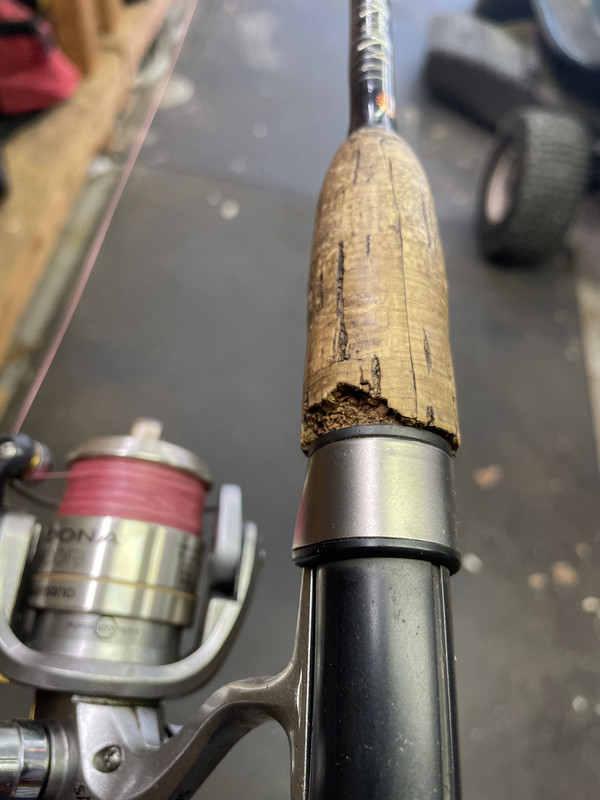
- ✦ Weak adhesive bond
Old glue can dry out, crack, and lose its grip between the handle and rod blank.
- ✦ Water damage
Water entering gaps can weaken cork, foam, and adhesive layers.
- ✦ Heavy fishing pressure
Large fish and strong casting force can slowly loosen handle parts.
- ✦ Poor previous repair
A repair without proper cleaning or curing time may fail again.
Common Signs of a Loose Fishing Rod Handle
A loose handle may move slightly when you twist it by hand. You may also hear clicking sounds or feel movement between the grip and rod blank.
Small movement should not be ignored because it often becomes worse during regular fishing trips.
- ✦ Handle rotation
The grip turns even though the rod blank stays still.
- ✦ Gap formation
Visible spaces appear between cork, foam, reel seat, or rod parts.
Tools Needed to Fix a Loose Fishing Rod Handle
The repair process is simple when you have the right tools. Most anglers can complete this job at home with basic supplies from a fishing store or hardware shop.
For the best result, choose a strong two-part epoxy made for outdoor use. It creates a durable bond that handles vibration, water, and fishing pressure.
- ✦ Two-part epoxy
Creates a strong connection between the handle and rod surface.
- ✦ Rubbing alcohol
Removes dirt, oil, and old residue before repair.
- ✦ Sandpaper
Helps roughen smooth surfaces so epoxy bonds better.
- ✦ Clamps or tape
Keeps parts in place while the adhesive cures.
Choosing the Right Epoxy for Fishing Rod Repair
Avoid using weak household glue for a fishing rod handle repair. Fishing rods face repeated bending and vibration, so they need a flexible and strong adhesive.
Rod-building epoxy and marine-grade epoxy are common choices because they are designed for outdoor conditions.
- ✦ Fast epoxy
Useful for small repairs but may not provide the strongest long-term bond.
- ✦ Slow-cure epoxy
Usually creates a stronger repair because it allows better bonding.
Step-by-Step: Fishing Rod Handle Coming Loose How to Fix
The best way to fix a loose fishing rod handle is to remove movement, clean the area, apply epoxy, and allow enough curing time. Rushing the process is one of the biggest reasons repairs fail.
Follow these steps carefully to restore a solid grip and protect your rod from further damage.

- ✦ Step 1: Find the loose area
Move the handle gently to identify whether the issue is in the cork, foam, reel seat, or connection point.
- ✦ Step 2: Clean the surface
Remove dirt, moisture, and old adhesive before applying new epoxy.
- ✦ Step 3: Apply epoxy
Spread epoxy into the gap and around the loose connection area.
- ✦ Step 4: Secure the handle
Hold the handle firmly with tape or clamps until the epoxy fully hardens.
- ✦ Step 5: Test before fishing
Check for movement and make sure the repair feels strong.
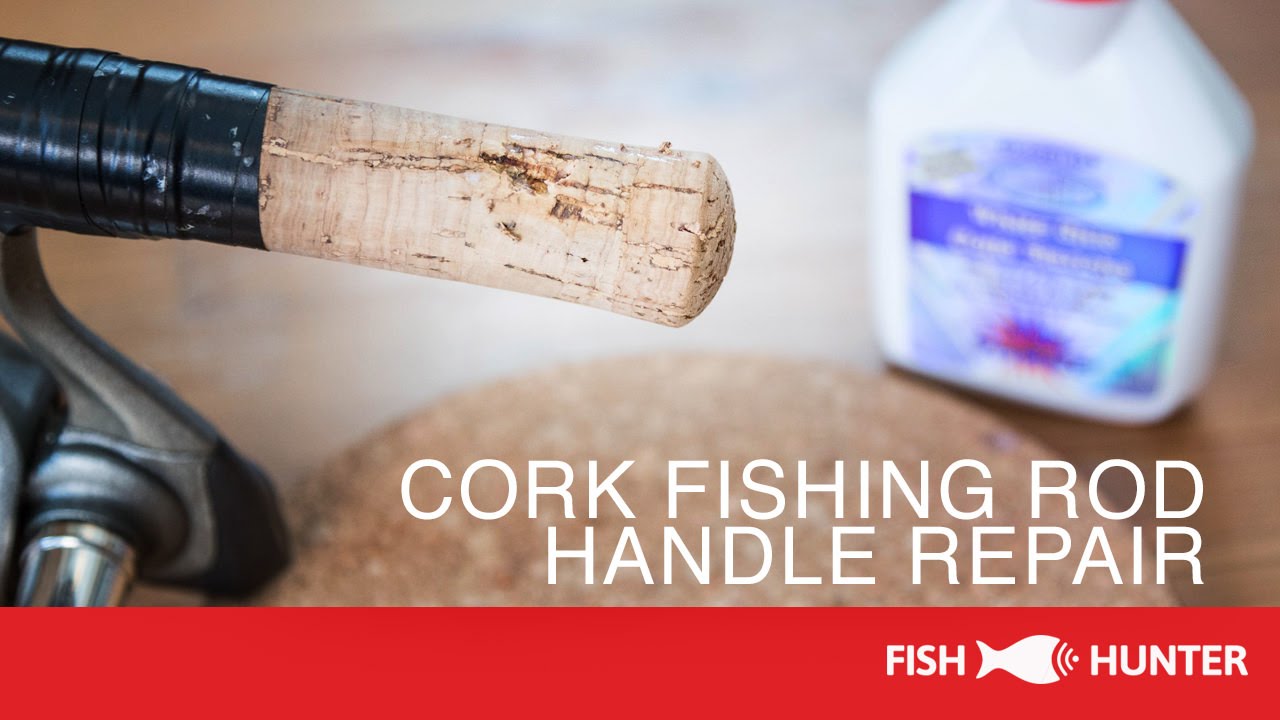
How to Repair a Loose Cork or EVA Foam Handle
Cork and EVA foam handles often separate because the adhesive underneath breaks down. Injecting epoxy into the gap can restore the connection without removing the entire grip.
For badly damaged handles, replacing the grip may be a better option than a simple glue repair.
- ✦ Small separation
Fill the gap with epoxy and hold the handle steady until cured.
- ✦ Large damage
Consider replacing the damaged handle section.
How to Fix a Loose Reel Seat and Handle Connection
Sometimes the handle feels loose because the reel seat or butt section has separated from the rod blank. This requires checking the entire handle assembly, not only the grip.
A reel seat repair may need more careful work because it affects how your reel connects to the rod.

- ✦ Check reel seat movement
Hold the reel seat and look for twisting or side-to-side movement.
- ✦ Inspect hidden gaps
Small cracks under the seat can allow water and dirt inside.
When a Professional Repair Is Better
Some handle problems are too serious for a home repair. A professional rod builder can replace grips, rebuild reel seats, and inspect damaged blanks.
If the rod is expensive or has sentimental value, professional repair may protect the investment.
- ✦ Broken rod blank
Structural damage needs expert inspection.
- ✦ Major handle separation
Complete rebuilding may be required.
How to Prevent Your Fishing Rod Handle From Coming Loose Again
Once you understand fishing rod handle coming loose how to fix, prevention becomes the next important step. Simple care habits can greatly reduce future handle problems.
Many anglers damage their rods during storage or transport rather than while fishing. Proper cleaning and storage keep adhesives and materials in better condition.

- ✦ Rinse after saltwater use
Freshwater cleaning removes salt that can weaken rod materials.
- ✦ Store rods safely
Avoid leaning rods where handles can receive constant pressure.
- ✦ Inspect regularly
Check for movement before small issues become major repairs.
Simple Maintenance Routine for Anglers
A few minutes of care after every trip can protect your fishing equipment. Wipe the handle, check connections, and store the rod in a dry place.
This routine is especially useful for anglers who fish often in lakes, rivers, and coastal areas across the United States.
- ✦ Clean the grip
Remove dirt and fish slime after use.
Frequently Asked Questions about fishing rod handle coming loose how to fix

fishingscouty
Contributor