Understanding how rising water affects fishing helps anglers make better decisions after storms, spring runoff, or changing lake levels. Water movement changes where fish hide, where they hunt, and how they react to pressure.
After years of watching anglers adapt to changing conditions, one lesson stands out: rising water is not always bad for fishing. In many U.S. lakes and rivers, higher water can create new feeding zones when fish move toward flooded plants, shallow areas, and protected cover.

Why rising water changes fish behavior
To understand how rising water affects fishing, anglers must first understand how fish respond to their environment. Fish rely on water depth, current speed, temperature, and available food when choosing locations.
When water rises slowly, many fish explore newly covered areas. Flooded grass, bushes, rocks, and shoreline structures can become temporary feeding zones filled with insects, worms, and small prey.

- ✦ More available cover
Higher water covers new areas that give fish protection from predators and allow them to hunt with confidence.
- ✦ New food sources
Rising water washes insects and small creatures into the water, creating extra feeding opportunities.
Fish movement during high water
Many species move toward shallow areas during rising water. Bass, crappie, and other freshwater fish often use flooded cover because it offers food and shelter.
- ✦ Shallow water movement
Fish may leave deeper areas and move closer to shore when conditions become favorable.
How rising water affects fishing success in lakes
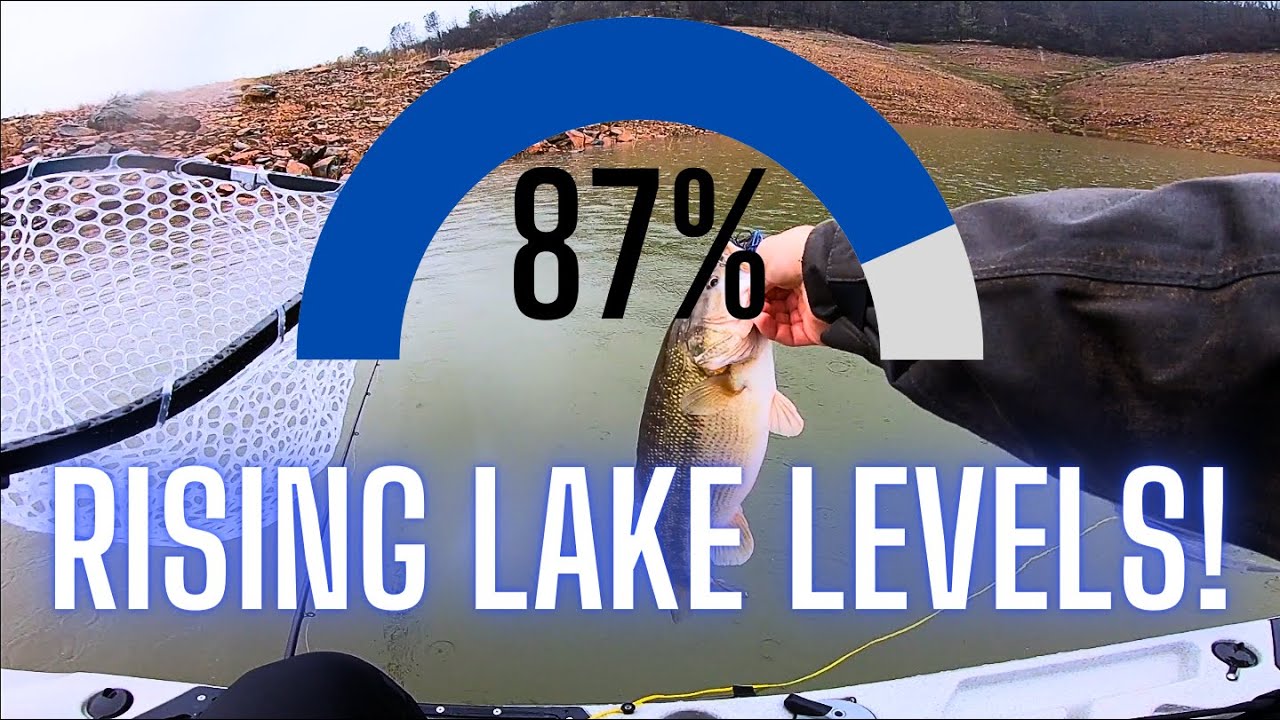
Lake fishing can improve after a moderate rise in water levels because fish gain access to new habitat. This is especially common in reservoirs where changing water levels expose or cover large areas.
How rising water affects fishing in lakes depends on the speed of the rise. A slow increase often gives fish time to adjust, while sudden flooding may temporarily make fish harder to locate.
- ✦ Look near flooded edges
Newly flooded shorelines often attract baitfish and predators looking for easy meals.
- ✦ Watch water clarity
Heavy rain can create muddy water, so anglers should choose brighter lures or slower presentations.
Best lake fishing areas during rising water
Anglers should focus on points, creek mouths, flooded vegetation, and areas where moving water brings food into the lake.
- ✦ Creek channels
These areas often collect nutrients and attract baitfish.
How rising water affects fishing in rivers
River fishing changes quickly when water levels rise. Stronger currents can move fish into calmer areas where they can save energy and still access food.
When learning how rising water affects fishing in rivers, anglers should focus on current breaks, deep pockets, and areas protected from fast water.

- ✦ Find slower current
Fish often hold behind rocks, logs, and bends where the current is weaker.
- ✦ Follow bait movement
Small fish and insects often move with changing water, attracting larger predators.
River safety during high water
High water can create dangerous currents and hidden obstacles. Anglers should avoid unstable banks and use proper safety equipment.
- ✦ Check conditions
Review local river levels before entering unfamiliar water.
How weather and water quality influence fishing after rising water
Rainfall and rising water often change water temperature, oxygen levels, and clarity. These changes affect how actively fish feed.
How rising water affects fishing also depends on water quality. Clean rising water can improve fishing, while dirty flood water may make fish less active for a short time.

- ✦ Temperature changes
New water can cool or warm an area and influence fish metabolism.
- ✦ Oxygen levels
Moving water may increase oxygen, which can encourage fish activity.
Best fishing techniques for rising water conditions
Successful anglers adjust their approach when conditions change. The same technique that works in normal water may fail after a rise.
Knowing how rising water affects fishing allows anglers to select better lures, locations, and presentations.

- ✦ Use natural presentations
Soft plastics, jigs, and slow-moving lures often work well around new cover.
- ✦ Fish new shoreline areas
Freshly flooded areas can hold fish that were not available before water levels increased.
Common mistakes anglers make
Many anglers continue fishing the same spots after water rises. A better approach is to search for new fish locations created by changing conditions.
- ✦ Ignoring shallow water
Fish may move shallow when new habitat becomes available.
Frequently Asked Questions about how rising water affects fishing

fishingscouty
Contributor