Understanding how baitfish respond to current helps anglers read the water better. Small fish rarely fight strong flow directly. Instead, they use natural breaks, underwater structure, and slower zones to survive while still accessing food.
From rivers in the United States to coastal flats and reservoirs, current shapes baitfish behavior every day. In my experience studying fishing patterns, anglers who learn to read current often find baitfish before they find predator fish because the two are closely connected.
The way baitfish react depends on current speed, water depth, temperature, available food, and nearby cover. Learning these patterns can improve fishing decisions and create a clearer picture of the underwater environment.

Why current matters to baitfish behavior
Current controls many parts of a baitfish’s daily life. Moving water carries oxygen, food particles, and scents that help baitfish find feeding areas. At the same time, current can create challenges because small fish must spend energy to maintain their position.
When learning how baitfish respond to current, it is important to understand that they balance movement with energy use. A baitfish that wastes too much energy in fast water becomes easier prey.
- ✦ Energy saving
Baitfish often position themselves behind rocks, plants, docks, and other objects where current slows.
- ✦ Food access
Current brings insects, plankton, small organisms, and organic matter that attract feeding baitfish.
- ✦ Predator awareness
Flow patterns help baitfish detect danger and escape quickly when predators approach.
The balance between flow and survival
Baitfish do not simply avoid current. They use it when the benefits are greater than the risks. A mild current can provide food and oxygen without requiring too much energy.
- ✦ Moderate flow zones
These areas often hold baitfish because they provide food while allowing easy movement.
How baitfish move in rivers and streams
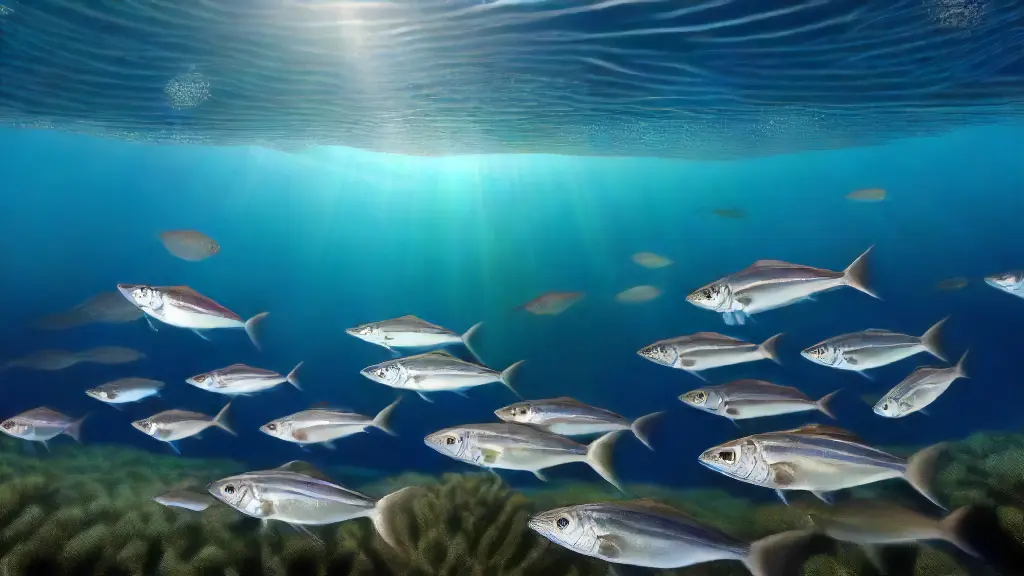
Rivers create some of the clearest examples of how baitfish respond to current. Small fish often gather in areas where fast water meets slow water. These transition zones give them access to drifting food while reducing the effort needed to swim.
Anglers in U.S. rivers often look for current seams, bends, and backwaters because these locations naturally collect baitfish. Predatory fish also know these spots and use them as feeding areas.
- ✦ Current seams
A current seam forms where fast and slow water meet. Baitfish often hold near these edges.
- ✦ Eddies
Circular water movement creates resting areas where baitfish can conserve energy.
- ✦ River bends
Outside bends may create deeper flow while inside bends often collect slower water and food.
How baitfish use current to find food
Current acts like a natural delivery system. It moves tiny food sources through the water, allowing baitfish to feed without constantly searching large areas.
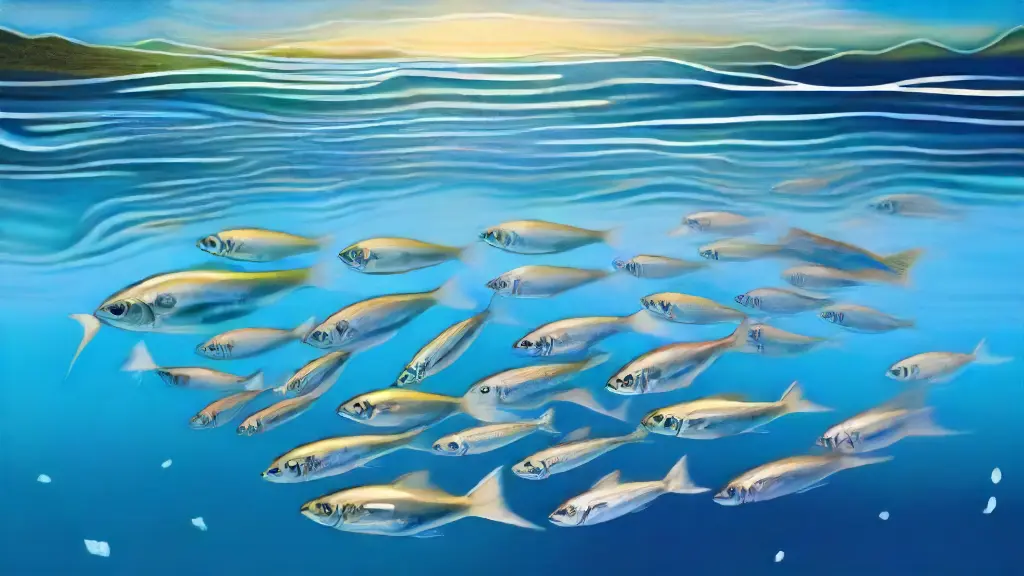
When examining how baitfish respond to current, feeding behavior is one of the most important factors. Baitfish often face into the flow because food usually comes from upstream.
- ✦ Facing into current
Many baitfish turn into moving water so they can watch for drifting food.
- ✦ Feeding windows
Changes in current speed can create short periods when baitfish feed more actively.
- ✦ Plankton movement
Small organisms carried by water flow can attract large groups of baitfish.
Why predators follow current
Predator fish often wait near current breaks because baitfish are easier to predict there. Bass, trout, striped bass, and other game fish use the same flow patterns to save energy while hunting.
- ✦ Ambush locations
Predators often hide near rocks, logs, vegetation, and drop-offs beside current.
How current speed changes baitfish behavior
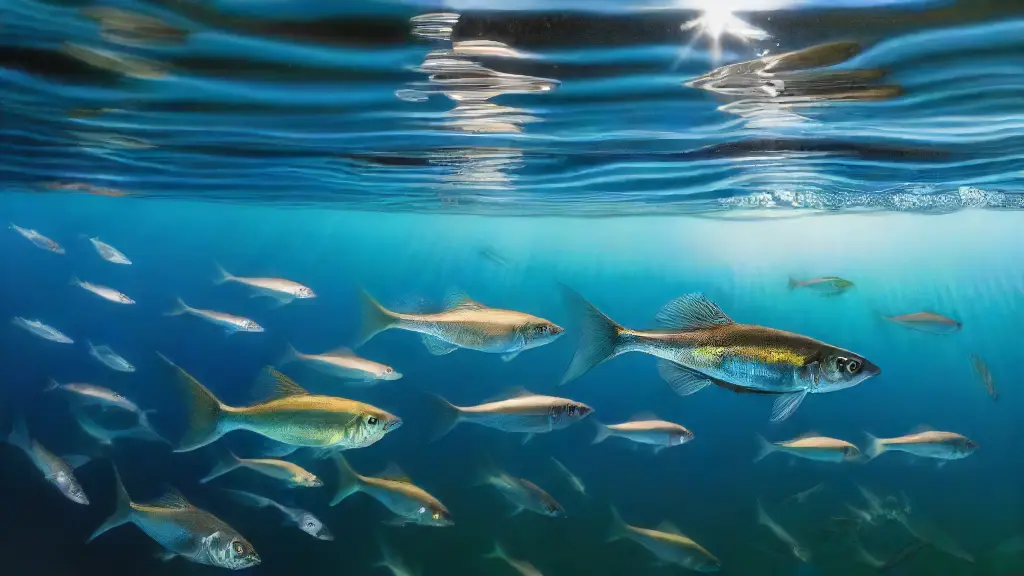
Current speed has a major impact on where baitfish choose to stay. Slow current allows more freedom, while strong current forces baitfish to find shelter.
The answer to how baitfish respond to current changes as conditions change. A calm lake current and a powerful river current create very different movement patterns.
- ✦ Slow current
Baitfish may spread out and search for food across wider areas.
- ✦ Medium current
This often creates ideal feeding zones with enough oxygen and manageable effort.
- ✦ Fast current
Baitfish usually move toward protected areas to avoid exhaustion.
How anglers can use current patterns to locate baitfish
Knowing how baitfish respond to current gives anglers a practical advantage. Instead of searching random water, they can focus on areas where baitfish naturally gather.
Professional anglers often study current before making their first cast. They look for signs like surface movement, birds feeding, and small fish breaking the water.

- ✦ Watch surface activity
Jumping or flashing baitfish can reveal feeding areas below.
- ✦ Check structure
Current breaks near rocks, bridges, and vegetation often hold baitfish.
- ✦ Follow the food chain
Where baitfish gather, predator fish are often nearby.
Common mistakes anglers make
Many anglers focus only on fast-moving water. However, baitfish often stay close to fast current while sitting in calmer pockets. Reading the entire water system is more effective than targeting flow alone.
- ✦ Ignoring current breaks
Protected areas near strong flow can hold more baitfish than the strongest current.
How current affects baitfish in lakes and coastal waters
Current is not limited to rivers. Lakes, estuaries, and coastal areas also have water movement caused by wind, tides, and water exchange. Baitfish respond to these subtle currents in similar ways.
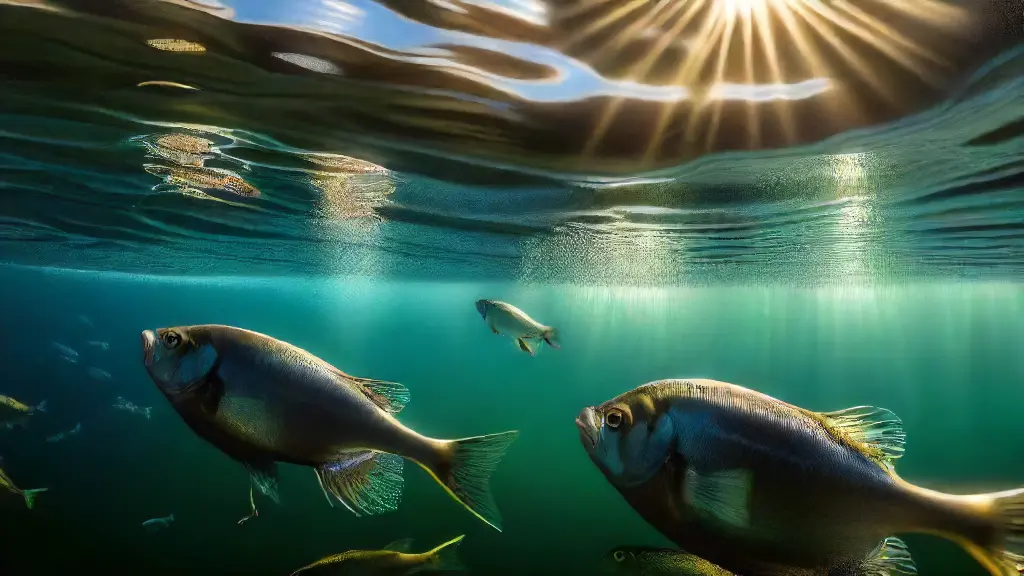
In coastal regions of the United States, tides create powerful current changes. Baitfish often move with these cycles because they bring fresh food and change predator opportunities.
- ✦ Tidal movement
Saltwater baitfish often follow tidal currents to locate feeding zones.
- ✦ Wind-driven current
Wind can move surface water and concentrate baitfish near shorelines.
Frequently Asked Questions about how baitfish respond to current

fishingscouty
Contributor