Yes — saltwater fishing line can work in freshwater, but expect higher strength and different handling.
I’ve fished for years in both salt and fresh water and tested many lines. This guide explains using saltwater fishing line in freshwater and when it makes sense. I’ll walk you through types of saltwater lines, the real benefits and limits, knot tips, care steps, and when to stick with a freshwater-specific line. Expect clear, practical advice from hands-on experience and industry know-how so you can pick the right line for your next trip.
Why some anglers consider using saltwater fishing line in freshwater
Saltwater lines are built tough to resist corrosion and chafe from boat hardware and rough marine structure. That extra toughness often means higher abrasion resistance, stronger coatings, and larger diameter for a given strength. If you’re targeting big fish in rivers, lakes, or reservoirs, using saltwater fishing line in freshwater can reduce break-offs and increase durability.
Using saltwater fishing line in freshwater is common when anglers need extra toughness or want a line that holds up in harsh conditions. It is not always the best choice for light, finesse tactics where low diameter and high sensitivity matter most. Manufacturers design saltwater braid, fluorocarbon, and mono to survive salt and sun. In fresh water, those same traits can help—but they also bring trade-offs in feel, spool capacity, and cost.
Types of saltwater fishing line and how they compare in freshwater
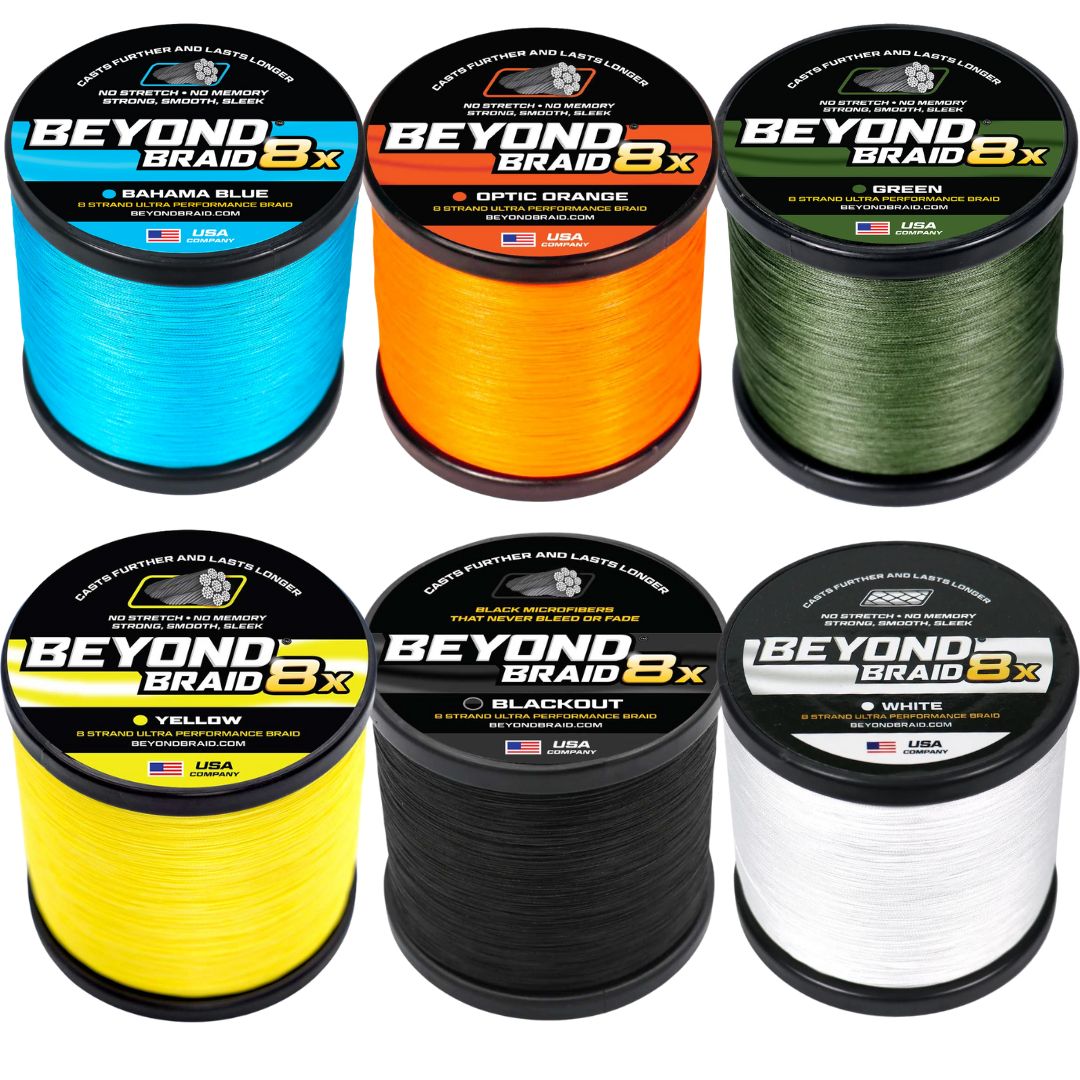
Saltwater fishing line comes mainly in three types: braid, fluorocarbon, and monofilament. Each has distinct traits that matter for freshwater use.
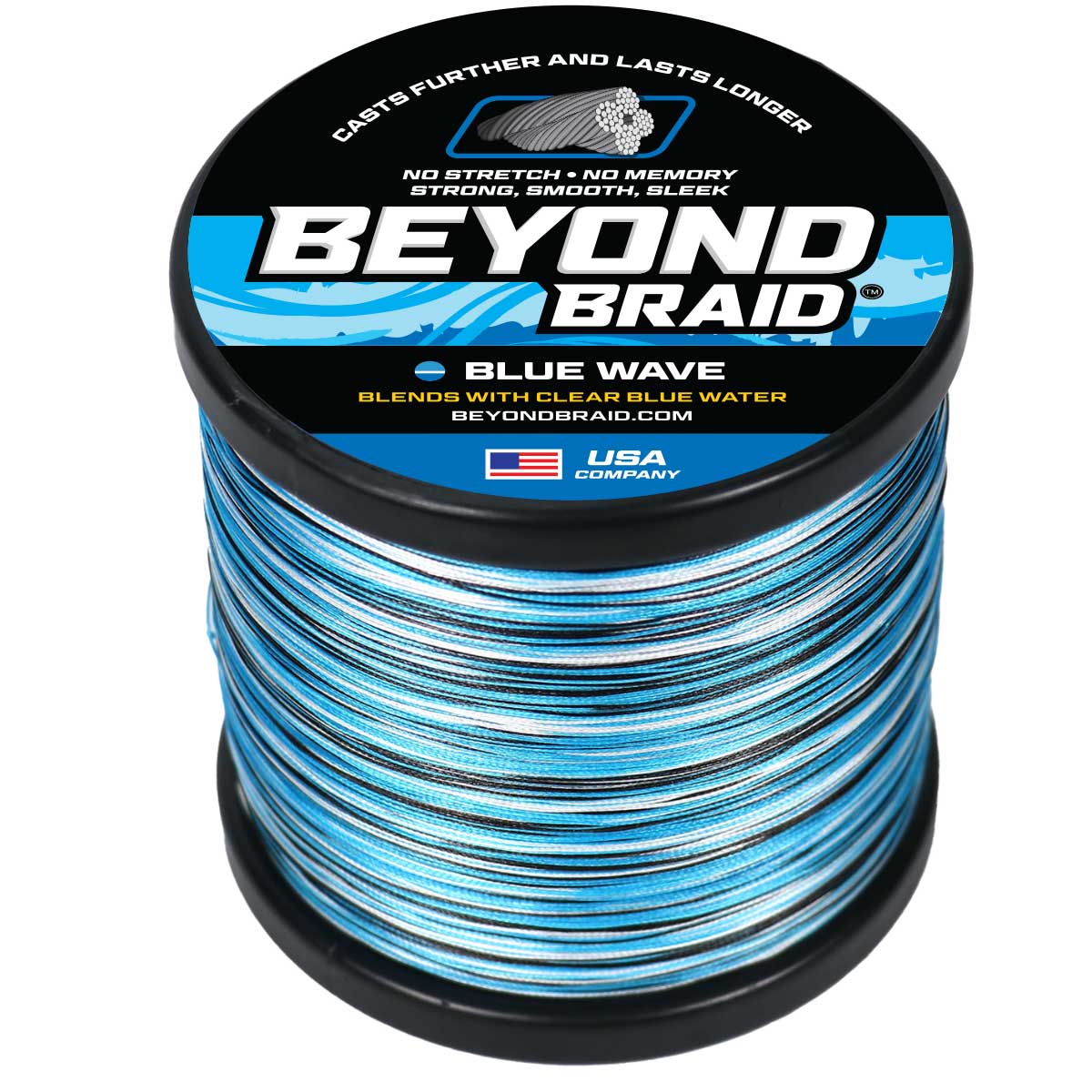
- Braid: Very strong for diameter, near-zero stretch, and high sensitivity. Great for heavy cover and deep water. Using saltwater braid in freshwater helps you feel bites and set hooks fast, but it can be abrasive on rod guides and visible to fish.
- Fluorocarbon: Low visibility, good abrasion resistance, and sinks fast. Saltwater fluorocarbon is often more chemically stable and thicker. It makes a fine leader in freshwater for wary fish when you need abrasion resistance.
- Monofilament: Softer, more stretch, and usually cheaper. Saltwater mono resists UV and salt damage and can be used for boat fishing and topwater action in fresh water. It may be bulkier than freshwater mono of equal strength.
Choosing when to use each type depends on target species, water clarity, and the gear you run. For big catfish, pike, or muskies, using saltwater fishing line in freshwater is an obvious fit. For trout or panfish, the drawbacks often outweigh the benefits.

Pros and cons of using saltwater fishing line in freshwater
Weighing benefits and limits helps you decide whether to switch lines.
Pros
- Higher abrasion resistance reduces cut-offs on rock, timber, and toothy fish.
- Better corrosion resistance on spool and terminal knots when you fish often.
- Stronger coatings make casts smoother and reduce memory in many braids and coated lines.
Cons
- Larger diameter for the same pound test can reduce spool capacity and casting distance.
- Saltwater coatings can feel stiffer and reduce sensitivity for light bites.
- Higher cost: saltwater-grade lines often carry premium prices that may not be needed in fresh water.
If you fish heavy cover or chase toothy predators, the pros are real. If you focus on finesse, clear water, or long casts, the cons matter more. Testing a spool before committing is a smart move.
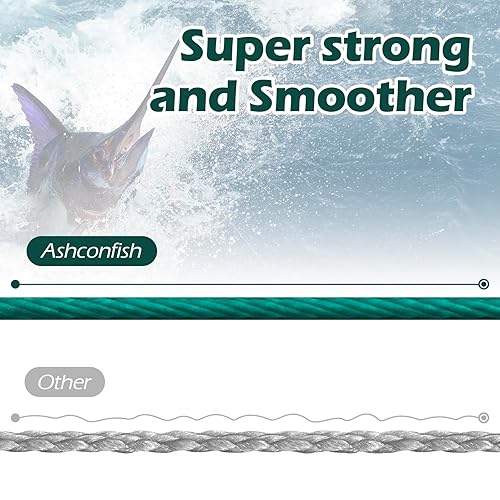
Practical tips: selecting, rigging, and maintaining saltwater lines for freshwater use
Select the right line for the fish and water you intend to fish. Keep these rules of thumb in mind.
- Match line strength to fish and gear: Use a stronger saltwater braid when fishing heavy cover. Drop to lighter saltwater fluorocarbon when clarity and stealth matter.
- Mind spool capacity: Saltwater lines often have larger diameter. Use a larger reel or a backing of cheaper braid to maximize capacity.
- Use appropriate knots: Saltwater braid can slip in some knots. Use a No‑Slip Loop, Palomar, or double uni with a short fluorocarbon leader for reliability.
- Add leader material: Pair saltwater braid with a fluorocarbon leader to reduce visibility and improve bite-to-hook ratios.
- Maintain your line: Rinse reels and line after dirty water or heavy silt. Store line away from direct sun to reduce UV aging even if the line is salt-rated.
Small changes in rigging can turn a heavy-duty saltwater setup into a fine freshwater performer. Practice knots and change leaders regularly.

My experience: lessons learned from using saltwater fishing line in freshwater
I swapped to a saltwater braid for a season targeting big bass in thick reed beds. The braid saved me from many cut-offs. I did notice reduced spool capacity and had to swap reels mid-trip once. A quick change to a 20-lb fluorocarbon leader cut visibility problems and kept hook-up rates high.
Lessons learned
- Test setups at home before a trip to check casting and spool capacity.
- Use a leader to hide the braid. It is the single biggest improvement I made.
- Don’t assume saltwater mono always outlasts freshwater mono; check the UV rating and manufacturer specs.
These real fixes came from trial and error. They will save you time and fish if you try using saltwater fishing line in freshwater.
Environmental and safety considerations
Be mindful of both fish welfare and the environment when using saltwater lines in freshwater. Abrasion-resistant lines can injure fish if not handled carefully. Stiffer lines may cause deeper throating of hooks. Also consider line recycling and proper disposal to protect wildlife.
Best practices
- Use proper catch-and-release methods to reduce harm from heavier rigs.
- Cut and recover old line. Never leave line tangles in the water.
- Match hook size and leader to species to avoid unnecessary damage.
Being responsible keeps fisheries healthy and ensures long-term enjoyment of your sport.
When to choose saltwater line over freshwater line — quick decision guide
Use saltwater line when these apply:
- You target large, abrasive, or toothy species like pike, muskie, large bass, or catfish.
- You fish heavy cover that abrades line on rocks, metal, or wood.
- You need extra corrosion resistance for boats or mixed-use gear.
Stick with freshwater line when:
- You need ultra-low diameter for long casts or lightweight lures.
- You chase ultra-wary fish in crystal clear water.
- You are on a strict budget or use small reels with limited spool capacity.
This simple checklist helps you pick the right tool for the job.

PAA-style questions (short answers)
Q: Can I use saltwater braid for bass fishing?
A: Yes, saltwater braid works well for bass in heavy cover due to its abrasion resistance and strength. Pair it with a fluorocarbon leader to reduce visibility.
Q: Will saltwater fluorocarbon sink faster in freshwater?
A: Saltwater fluorocarbon may sink slightly faster because of higher density and coatings designed for marine use. The effect is minor but can help presentations that need sink.
Q: Does saltwater monofilament last longer than freshwater mono?
A: Often yes, because saltwater mono is treated for UV and salt resistance. However, storage and use patterns matter more than the label.
Q: Do I need special knots when using saltwater braid?
A: Use knots that prevent slippage, such as the Palomar, double uni, or a No-Slip Loop, and secure joins with a short fluorocarbon leader. These knots handle braid’s slick surface well.
Q: Will using saltwater line void reel warranties?
A: No, using saltwater line in freshwater does not usually void warranties, but check your reel’s manufacturer guidelines for line diameter limits and capacity.
Frequently Asked Questions of using saltwater fishing line in freshwater
Can I use saltwater braid for small freshwater fish?
Yes, you can, but it may be overkill and scare fish due to visibility. Use lighter tests and thin leaders to keep it effective.
Is saltwater fluorocarbon a good leader in freshwater?
It is an excellent leader due to low visibility and abrasion resistance. It pairs well with braid for tough cover situations.
Will saltwater line corrode my reel faster in freshwater?
Saltwater line does not cause reel corrosion in freshwater; however, dirt and sand trapped in tougher lines can wear reels faster. Regular cleaning prevents problems.
How do I manage spool capacity with thicker saltwater line?
Use backing on large reels or spool onto a larger reel designed for saltwater. You can also step down pound-test where possible.
Does saltwater line change lure action in freshwater?
Stiffer saltwater lines can slightly alter lure action, especially on light baits. Test lures with the line before key trips to ensure correct presentation.
Should I change knots when switching between saltwater and freshwater line?
Yes, knot choice matters. Slick saltwater braids need secure knots and often a tied or glued connection to a softer leader for safety.
How often should I replace saltwater line used in freshwater?
Inspect line before each trip and replace when you see cuts, frays, or memory that lowers performance. For heavy use, change every season or sooner.
Is saltwater line more expensive than freshwater line?
Typically yes; saltwater lines often use tougher materials and coatings, which raises cost. But the longer life and fewer break-offs can offset price for some anglers.
Can I use the same line for both saltwater and freshwater trips?
Yes, many anglers use the same line for both environments. Rinse and care for your gear after saltwater trips to avoid corrosion.
Will saltwater line affect hook set speed in freshwater?
Low-stretch saltwater braid increases hook set speed and improves sensitivity, which can be an advantage for quick-hooking strikes.
Conclusion
Choosing whether to use saltwater fishing line in freshwater comes down to need and trade-offs. Saltwater lines offer durability, abrasion resistance, and strength that excel in heavy cover and for big fish. They can cost more, reduce spool capacity, and sometimes lower stealth for light presentations. Test your setup, use a fluorocarbon leader, and match line choice to species and water conditions. Try one spool on a weekend trip. Track the results, tune knots and leaders, and you’ll know if the switch helps your catch rate. If you found this useful, share your own tests in the comments or subscribe for more practical line and tackle tips.