Learning how to use scent when fishing can give anglers another advantage when fish are cautious or conditions are difficult. Fish use their sense of smell to find food, detect danger, and understand their surroundings. Adding the right scent can make an artificial lure feel more natural.
Over years of fishing different waters, many anglers find that scent works best when it supports good technique. A scented lure will not replace proper casting, location choice, or presentation, but it can help convince a fish to hold on longer and strike.

What Fishing Scent Does and Why It Works
Fish live in a world where smell plays an important role. Many species can detect tiny amounts of chemicals in water. This ability helps them find prey, identify food, and avoid threats.
When learning how to use scent when fishing, it helps to understand that scent creates a food signal. A bass, trout, catfish, or saltwater species may investigate a lure longer when it carries a familiar smell.
- ✦ Masks human odors
Some fishing scents help reduce unusual smells from hands, sunscreen, fuel, or other materials that may make fish suspicious.
- ✦ Creates a feeding trigger
Natural food scents can encourage fish to examine a bait more closely.
- ✦ Improves confidence
Many anglers fish more patiently when they believe their bait has a natural attraction.
How Fish Detect Scent Underwater
Fish use special sensory organs to detect dissolved chemicals in water. Current and water movement help carry scent particles toward nearby fish.
Because scent spreads differently in rivers, lakes, and oceans, anglers should adjust how much scent they use based on water conditions.
- ✦ Moving water
Rivers and currents can spread scent quickly, so fresh applications may be needed more often.
Different Types of Fishing Scents You Can Use
Fishing scents come in sprays, gels, oils, dips, and natural bait additives. Each type has different benefits depending on your fishing style.
Choosing the right scent is part of understanding how to use scent when fishing. A gel may stay on a soft plastic lure longer, while a spray can quickly refresh a hard lure.

- ✦ Spray scents
Sprays are easy to apply and work well when you need quick scent coverage.
- ✦ Gel scents
Gels stick to lures longer and are useful for slow presentations.
- ✦ Natural scents
Natural options include bait oils, fish extracts, and food-based attractants.
Popular Scent Profiles for Fishing
Common fishing scents include shrimp, crawfish, garlic, anise, shad, and fish oils. The best choice often depends on what local fish normally eat.
Matching scent with natural prey can make your presentation appear more realistic.
- ✦ Crawfish scent
Often used for bass fishing because crawfish are common bass prey.
How to Apply Fishing Scent Correctly
Using scent correctly is more important than simply adding a large amount. Too much scent can create unnecessary mess and may not improve results.
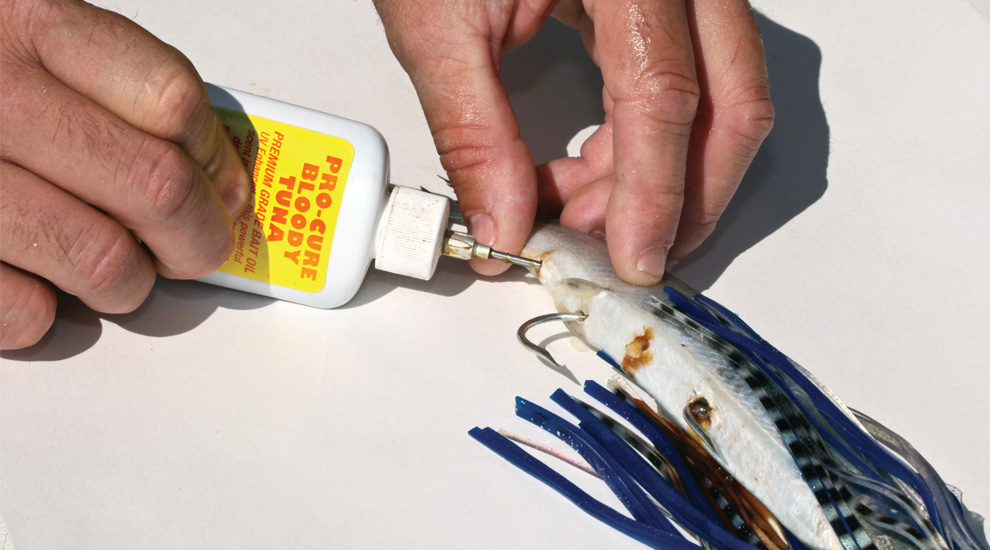
A key part of how to use scent when fishing is applying a light, even layer and refreshing it when the smell fades.

- ✦ Clean your lure first
Remove dirt, old scent, and unwanted smells before adding a new attractant.
- ✦ Apply evenly
Cover the parts of the bait that contact water and create movement.
- ✦ Reapply regularly
Refresh scent after many casts, catches, or long periods in the water.
Using Scent on Soft Plastics
Soft plastics absorb and hold scent well. Apply gel or liquid scent before fishing and add more after several casts.
Many bass anglers use scented soft plastics because fish may hold them longer after biting.
- ✦ Slow presentations
Scent can be especially useful when fish have more time to inspect a slow-moving lure.
Best Times to Use Fishing Scent
Scent can be useful all year, but some situations make it more valuable. Cold water, clear water, and pressured fishing areas often require a more natural approach.
Understanding when to use scent is a major part of how to use scent when fishing successfully.
- ✦ Cold water conditions
Fish may move slowly, giving them more time to smell and inspect bait.
- ✦ Heavy fishing pressure
Extra attraction may help when fish have seen many artificial lures.
- ✦ Low visibility water
Scent can help fish locate bait when sight is limited.
Freshwater vs Saltwater Scent Use
Freshwater anglers often use scents for bass, trout, crappie, and catfish. Saltwater anglers use scents for species such as redfish and flounder.
The main difference is matching the scent with local prey and water conditions.
- ✦ Know local forage
Choose scents that match common food sources in your fishing area.
Common Mistakes When Using Fishing Scent
Many anglers make simple mistakes when adding scent to their fishing routine. Learning what to avoid helps you get better results.
Knowing how to use scent when fishing means understanding both the benefits and the limits of attractants.

- ✦ Using too much scent
Heavy application can create unnecessary residue and make handling bait difficult.
- ✦ Ignoring lure action
A scented lure still needs natural movement to attract fish.
- ✦ Using the wrong scent
A scent that does not match local food sources may be less effective.
Why Scent Is Not a Magic Solution
Scent can improve attraction, but fish location remains the most important factor. Even the best scent will not help if fish are not nearby.
Successful anglers combine scent with proper depth, lure choice, weather knowledge, and presentation.
- ✦ Combine strategies
Use scent as one part of a complete fishing plan.
Frequently Asked Questions about how to use scent when fishing

fishingscouty
Contributor