Learning how to prepare worms for fishing can make a big difference during freshwater trips across the United States. A properly prepared worm looks natural, moves well, and stays securely on the hook when fish strike.
Experienced anglers know that worm preparation starts before reaching the lake or river. Good storage, careful handling, and the right rigging method help turn simple worms into reliable bait for bass, bluegill, trout, catfish, and many other species.

Why Proper Worm Preparation Matters for Fishing
Worms are one of the most popular live baits because many freshwater fish naturally eat them. However, simply putting a worm on a hook does not always produce the best results.
When you understand how to prepare worms for fishing, you can improve bait presentation and keep worms active longer. Fish often respond better to natural movement and fresh scent.
- ✦ Better movement
Healthy worms wiggle more naturally, which can attract nearby fish.
- ✦ Longer bait life
Proper storage prevents worms from drying out or becoming weak.
Choose the Right Type of Worm for Your Fishing Trip
The first step in how to prepare worms for fishing is choosing the correct worm type. Different worms work better for different fish and water conditions.
In the United States, anglers commonly use nightcrawlers, red wigglers, and garden worms. Each option has different sizes, movement patterns, and durability.
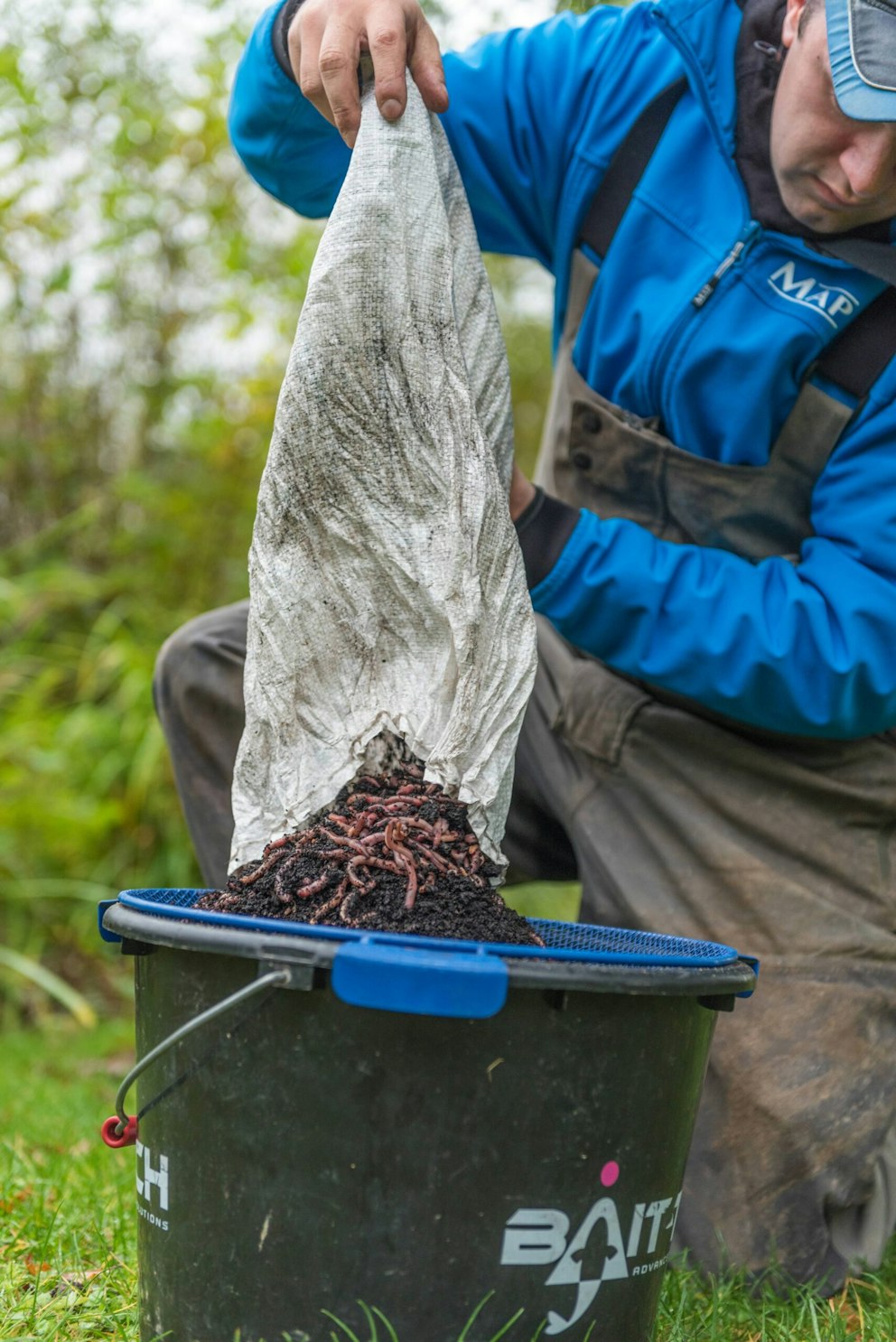
- ✦ Nightcrawlers
Large nightcrawlers are popular for bass, walleye, trout, and catfish because of their size and strong movement.
- ✦ Red wigglers
Smaller red wigglers work well for panfish such as bluegill and crappie.
Match Worm Size With Target Fish
Use smaller pieces for small fish and larger worms for bigger predators. A bait that looks natural usually performs better than an oversized worm.
How to Clean and Prepare Worms Before Fishing
Before using worms, inspect them carefully and remove damaged or unhealthy bait. Strong worms should move actively and feel firm when handled.
Many anglers keep worms in clean bedding instead of loose dirt because proper bedding helps control moisture and temperature.

- ✦ Check worm condition
Remove dead, soft, or damaged worms because they may not attract fish effectively.
- ✦ Keep hands clean
Avoid using strong chemicals or scented products on your hands before handling worms.
Removing Extra Dirt
Gently remove excess soil before placing worms in your bait container. Do not wash worms with tap water because chlorine can harm them.
How to Store Worms Before a Fishing Trip
Storage plays a major role when learning how to prepare worms for fishing. A cool, dark, and moist environment keeps worms active until you are ready to fish.
Many anglers store worms in a bait container with proper bedding and keep it inside a refrigerator or cooler area away from extreme temperatures.

- ✦ Maintain moisture
Worm bedding should stay slightly damp but never soaked.
- ✦ Avoid heat
High temperatures reduce worm activity and shorten their lifespan.
How to Put Worms on a Fishing Hook Correctly
After preparing your worms, the next step is proper hook placement. The goal is to keep natural movement while making sure the worm stays attached.
Avoid covering the entire hook with too much worm because fish may steal the bait without getting hooked.

- ✦ Threading method
Push the hook through several points of the worm to create a compact presentation.
- ✦ Worm piece method
Cut smaller sections when targeting smaller fish species.
Keep Natural Movement
Leave part of the worm hanging freely so it can move underwater and attract attention.
Common Mistakes When Preparing Worms for Fishing
Even simple bait preparation mistakes can reduce your success. Many beginners focus on the hook but ignore worm health and storage.
Avoiding these problems helps your bait perform better throughout the day.
- ✦ Using weak worms
Inactive worms create less movement and may attract fewer fish.
- ✦ Overhandling worms
Excess handling can damage worms and reduce their natural condition.
- ✦ Wrong worm size
Large bait may scare smaller fish while tiny bait may not attract larger species.
Frequently Asked Questions about how to prepare worms for fishing

fishingscouty
Contributor