If you are searching for what is a fishing grub lure, you are looking at one of the most trusted soft plastic baits in American fishing. A grub lure has a small body and a flexible tail that moves when pulled through the water. This simple design helps anglers catch fish in lakes, rivers, ponds, and coastal areas.
Many experienced anglers keep grub lures in their tackle boxes because they are affordable, easy to use, and effective in many conditions. From catching spring bass in southern lakes to targeting crappie under docks, a fishing grub lure can be adapted for many situations.

What Is a Fishing Grub Lure and How Does It Look?
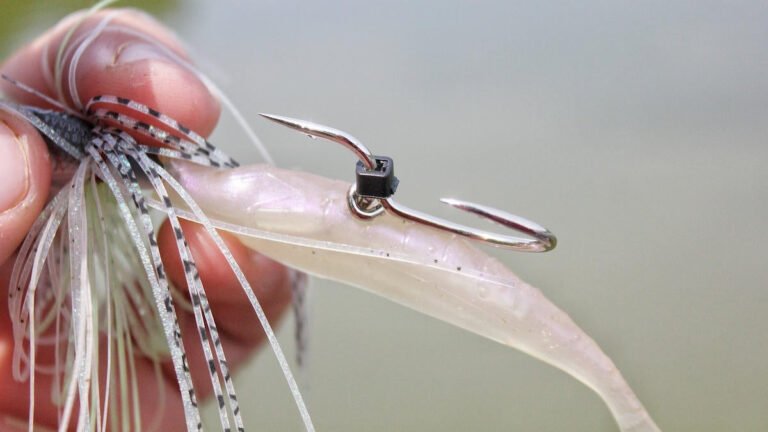
A fishing grub lure is a type of soft plastic bait made to copy small aquatic creatures such as insects, minnows, and worms. It usually has a short, round body with a thin curly tail that creates vibration as the lure moves.
The simple shape is one reason this lure has remained popular for decades. A grub does not need complex action from the angler because the tail naturally moves during a slow retrieve, a jigging motion, or even when drifting with current.
- ✦ Body design
The compact body gives fish an easy target while allowing the lure to work with small hooks and jig heads.
- ✦ Curly tail action
The flexible tail creates movement and vibration that can attract fish from nearby areas.
- ✦ Soft plastic material
The soft texture helps create a more natural feel when fish bite and hold the lure.
Why Anglers Still Use Grub Lures
Modern anglers have many advanced lure options, but a fishing grub lure remains popular because it works in clear water, stained water, and different seasons.
- ✦ Simple to learn
Beginners can catch fish without learning complicated techniques.
How Does a Fishing Grub Lure Work Underwater?
A fishing grub lure works by creating movement, vibration, and a natural profile that attracts fish. When the angler pulls the lure, the tail swings from side to side and creates small water vibrations.
Predatory fish often detect these vibrations before seeing the lure. This makes grubs useful in low visibility water where fish rely more on movement than sight.

- ✦ Vibration attraction
The moving tail sends signals through the water that can trigger feeding responses.
- ✦ Natural presentation
A slow-moving grub can imitate small prey that fish already eat.
Types of Fishing Grub Lures You Should Know
Fishing grub lures come in different sizes, shapes, and colors. Choosing the right style depends on the fish species, water conditions, and fishing method.
The most common style is the curly tail grub. Other versions include paddle tail grubs and skirted grub designs that create extra movement.

- ✦ Curly tail grub
A classic design with a thin curved tail that creates strong movement during retrieves.
- ✦ Small finesse grub
A smaller option often used for crappie, trout, and pressured fish.
- ✦ Large grub
A bigger profile designed for larger predators such as bass and saltwater species.
How to Rig a Fishing Grub Lure
Rigging a fishing grub lure is simple, which makes it a great choice for new anglers. The most common setup uses a jig head, but grubs can also be used on hooks, drop shot rigs, and other presentations.
The key is keeping the grub straight on the hook. A crooked setup can reduce the tail action and make the lure look unnatural.

- ✦ Jig head rig
Attach the grub to a jig head for a versatile setup that works at many depths.
- ✦ Texas style rig
Use this setup around cover where weed resistance is important.
- ✦ Drop shot rig
A good option for slow presentations and finicky fish.
Best Fish Species to Catch With a Grub Lure
One reason anglers ask what is a fishing grub lure is because this bait catches many different species. A single grub pattern can work for both beginners and experienced fishermen.
In the United States, grub lures are commonly used for bass, crappie, walleye, trout, perch, and some saltwater fish.

- ✦ Bass
Bass often strike grubs because the movement resembles small baitfish and insects.
- ✦ Crappie
Small grubs are excellent for light tackle and vertical fishing.
- ✦ Walleye
Grubs can be effective when fished slowly near the bottom.
How to Choose the Right Fishing Grub Lure
Choosing the right fishing grub lure depends on water clarity, depth, weather, and the fish you want to catch. Small changes in color and size can make a big difference.
Many anglers carry several grub colors because fish preferences can change during the day. Natural colors often work well in clear water, while brighter colors can help in muddy conditions.

- ✦ Match the size
Use smaller grubs for small fish and larger grubs when targeting bigger predators.
- ✦ Select the color
Choose natural colors for clear water and brighter colors for stained water.
- ✦ Adjust the weight
Use lighter jig heads in shallow water and heavier ones in deeper areas.
Frequently Asked Questions about what is a fishing grub lure

fishingscouty
Contributor