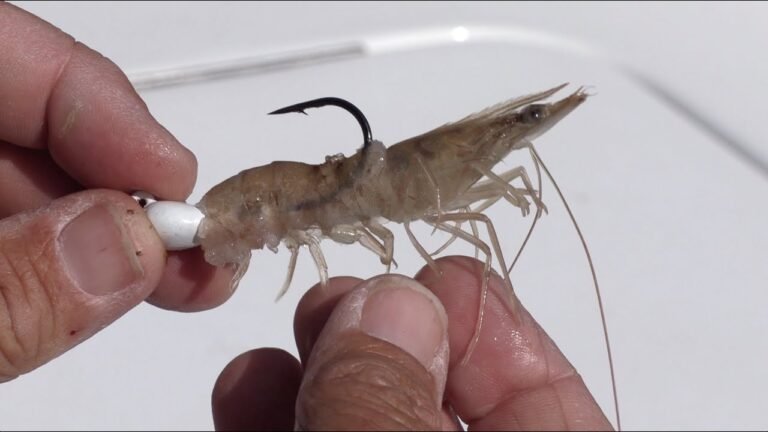
If you have ever watched a bass follow a soft plastic worm or seen a redfish crush a soft shrimp lure, you have seen the science behind these baits. Soft plastics are popular because they move naturally, feel realistic, and can be used in many different fishing situations across the United States.
Understanding how do soft plastic lures work helps anglers make better choices on the water. The lure itself is only one part of the process. The way it moves, the rig used, the speed of the retrieve, and the conditions around the fish all play a major role.

What Makes Soft Plastic Lures attractive to Fish
Soft plastic lures are designed to copy the food fish already eat. They can look like worms, baitfish, frogs, crawfish, and other small creatures. Their soft material allows them to move in a way that hard lures often cannot.
The biggest advantage of soft plastics is their realistic action. When pulled through water, the tail, legs, or body sections create small vibrations and movements that look natural to hunting fish.

- ✦ Natural movement
The flexible body bends and wiggles with water pressure, creating realistic prey-like action.
- ✦ Realistic texture
The soft material feels more like real food when a fish bites, which can help fish hold the lure longer.
- ✦ Versatile designs
Anglers can choose different shapes to imitate many types of underwater prey.
The Role of Movement in Soft Plastic Lures
Fish use sight and vibration to find prey. A soft plastic lure creates small movements that can trigger a predator’s feeding response. Even a slow fall or gentle shake can make the lure appear alive.
Experienced anglers often focus less on speed and more on creating believable movement. A simple lift, pause, and fall can be enough to convince a fish to strike.
- ✦ Tail action
Paddletails and curly tails create vibrations that attract fish from nearby areas.
How Soft Plastic Lure Materials Affect Performance
The material used in soft plastics changes how the lure behaves underwater. Some plastics are very flexible and create more movement, while others are firmer and provide better durability.
Manufacturers may add salt, scent, or special compounds to improve the lure’s performance. These features can change how the bait falls, floats, and feels when a fish bites.

- ✦ Flexible plastics
These create more natural movement and are useful when fish are cautious.
- ✦ Salt-infused plastics
Added salt can help lures sink faster and create a different falling action.
- ✦ Scented plastics
Added scents may help encourage fish to hold the bait longer.
How Rigging Changes the Way Soft Plastic Lures Work
Rigging controls how a soft plastic lure moves through the water. The same lure can behave in completely different ways depending on the hook, weight, and setup used.
Many American anglers use soft plastics for bass fishing because one bait can be adapted for shallow ponds, deep lakes, rivers, and offshore areas.

- ✦ Texas rig
A popular weedless setup that lets anglers fish around grass, wood, and cover.
- ✦ Ned rig
A small finesse setup designed for slow presentations and pressured fish.
- ✦ Drop shot rig
A technique that keeps the lure above the weight and works well in deeper water.
Why Hook Position Matters
The hook placement changes the lure’s balance and action. A poorly rigged bait may spin or look unnatural, while a correctly rigged lure can move like a real animal.
Many fishing problems come from rigging mistakes rather than the lure itself. Straight alignment and proper hook size often improve results.
- ✦ Correct alignment
Keeping the lure straight helps it swim naturally and prevents unwanted rolling.
How Fish Detect and Respond to Soft Plastic Lures
Fish do not only rely on vision. They also detect vibration, pressure changes, and chemical signals in the water. Soft plastic lures use several of these senses at the same time.
A bass may notice the vibration of a moving crawfish imitation before seeing it. A saltwater fish may follow the scent trail of a shrimp-style soft bait before attacking.

- ✦ Sight
Colors and shapes help fish identify possible food sources.
- ✦ Vibration
Movement creates signals that predators can detect.
- ✦ Scent
Some lures use added scents to create extra attraction.
Choosing the Right Soft Plastic Lure for Different Fishing Conditions
The best soft plastic depends on where you fish and what fish are eating. Clear water often requires natural colors and subtle movement, while muddy water may require stronger vibration and brighter colors.
Learning how do soft plastic lures work also means understanding seasonal changes. Fish behavior changes with temperature, depth, and available food.

- ✦ Clear water
Use natural colors and smaller movements to avoid alarming fish.
- ✦ Muddy water
Choose lures with vibration, contrast, and stronger action.
- ✦ Cold water
Slow presentations often work better because fish move less.
Common Mistakes Anglers Make With Soft Plastic Lures
Soft plastics are simple to use, but small mistakes can reduce their effectiveness. Many beginners move the lure too fast or choose the wrong size for the conditions.
Successful anglers learn to slow down, watch the line, and adjust their approach. A soft plastic lure often works best when it looks like an easy meal rather than a fast-moving object.
- ✦ Using the wrong size
A lure that does not match local prey may receive fewer bites.
- ✦ Moving too quickly
Fast retrieves can remove the natural action that makes soft plastics effective.
- ✦ Ignoring water conditions
Depth, clarity, and temperature should influence lure choice.
Frequently Asked Questions about how do soft plastic lures work

fishingscouty
Contributor