Many anglers ask how does a crankbait work because these lures look simple but use smart design. A crankbait uses a plastic or wooden body, a diving bill, and hooks to copy the movement of small fish. When pulled through water, it creates a wobble and vibration that can trigger predator fish to strike.
From my experience studying freshwater fishing techniques, crankbaits are among the most effective search lures for bass anglers across the United States. They allow fishermen to cover large areas quickly and find active fish near rocks, grass, docks, and underwater structures.

understanding How a Crankbait Creates Movement
To understand how does a crankbait work, you first need to understand its action. When an angler reels the lure, water pushes against the diving bill. This force makes the lure move from side to side like a struggling baitfish.
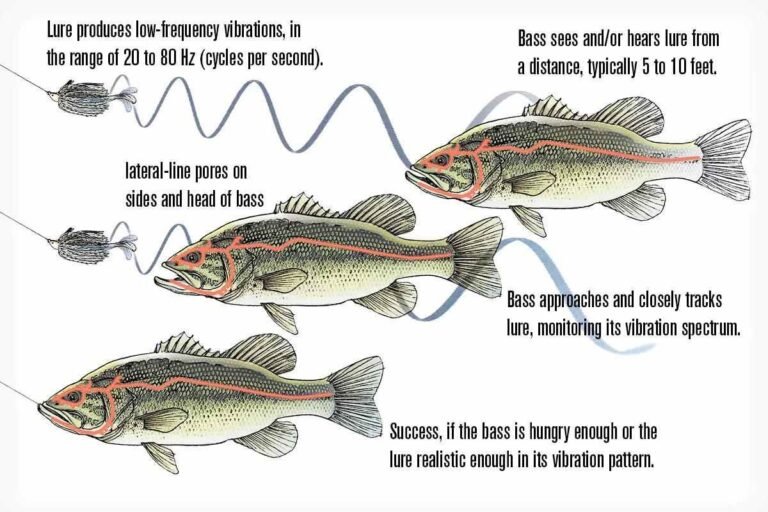
The movement creates flash, vibration, and pressure waves in the water. Fish detect these signals through their eyes and lateral lines, which helps them locate and attack the lure.
- ✦ Wobbling action
The side-to-side movement copies the swimming pattern of small prey fish.
- ✦ Vibration
The lure sends underwater signals that attract nearby predator fish.
- ✦ Flash
Reflective finishes imitate the shine of natural baitfish scales.
How the Diving Bill Controls Crankbait Depth
The diving bill is one of the most important parts of a crankbait. It controls how deep the lure travels and how it moves underwater. A longer bill usually allows deeper dives, while a shorter bill keeps the lure closer to the surface.
When learning how does a crankbait work, depth control is a major factor. Skilled anglers select crankbaits based on water depth, cover type, and where fish are holding.
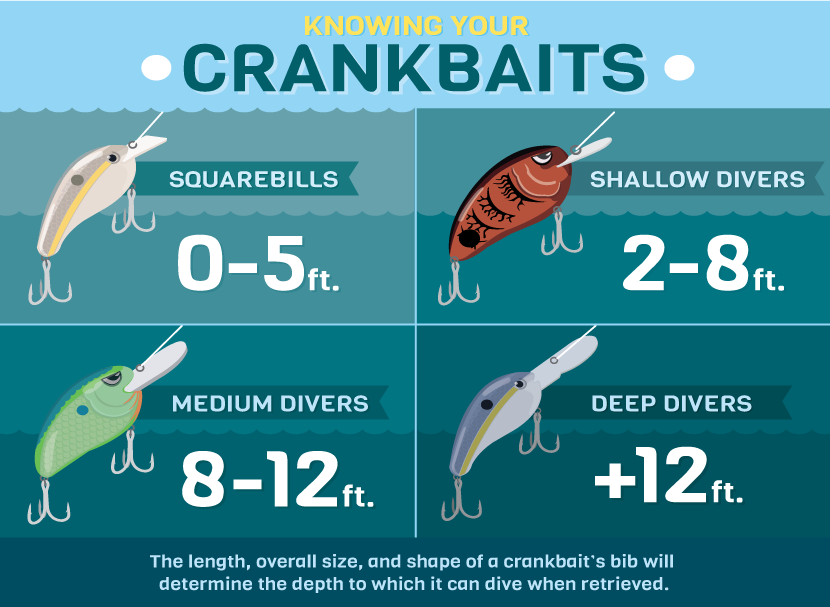
- ✦ Shallow diving crankbaits
These work well around grass, shallow flats, and shoreline cover.
- ✦ Medium diving crankbaits
These reach common bass depths near points and submerged structures.
- ✦ Deep diving crankbaits
These target fish holding near deep ledges and offshore areas.
Why the Bill Hits Structure
Many anglers intentionally let a crankbait touch rocks or wood. This contact creates sudden movement changes that can trigger reaction strikes from bass.
How Retrieve Speed Changes Crankbait Action
Retrieve speed changes the way a crankbait behaves. A fast retrieve creates more vibration and covers water quickly, while a slow retrieve gives fish more time to notice the lure.
The best speed depends on water temperature, fish activity, and the type of crankbait being used. Many bass anglers adjust speed throughout the day until they find the right response.

- ✦ Fast retrieve
Useful for active fish and searching large areas.
- ✦ Slow retrieve
Helpful when fish are less aggressive or water is cold.
- ✦ Stop and go retrieve
Pauses make the lure look like an injured baitfish.
The Role of Crankbait Shape, Size, and Color
Crankbait design affects how fish react to the lure. A round body often creates a wider wobble, while a slim body can imitate smaller baitfish.
Color selection also matters. Natural colors work well in clear water, while bright colors can help fish find the lure in muddy or stained water.

- ✦ Natural patterns
Match local baitfish for realistic presentation.
- ✦ Bright colors
Improve visibility in cloudy water conditions.
How Anglers Use Crankbaits for Bass Fishing
Crankbaits are popular among U.S. bass anglers because they help cover water quickly. Instead of waiting for fish to find a lure, anglers can use crankbaits to search areas and locate active fish.
Understanding how does a crankbait work helps anglers choose better retrieves and locations. A crankbait can be effective near docks, rocks, points, creek channels, and weed edges.

- ✦ Target structure
Cast near areas where baitfish and predators commonly gather.
- ✦ Match conditions
Adjust lure depth and color based on water and weather.
Common Crankbait Mistakes Beginners Make
Many beginners buy crankbaits but do not use them correctly. The biggest mistakes include choosing the wrong depth, using only one retrieve speed, and ignoring water conditions.
A good angler treats each crankbait as a tool for a specific job. Learning how does a crankbait work improves confidence and helps avoid wasted casts.

- ✦ Wrong diving depth
A lure that runs above or below fish may receive fewer strikes.
- ✦ Poor tuning
A crankbait that swims sideways may need adjustment.
Frequently Asked Questions about how does a crankbait work

fishingscouty
Contributor