Knowing how to identify bottom structure on sonar helps anglers turn a blank screen into a map of the underwater world. Modern fish finders can show much more than fish marks. They reveal changes in depth, bottom hardness, vegetation, and hidden features that attract fish.
From my experience studying sonar displays, the biggest improvement comes from learning to read the bottom first. Fish often follow structure, and understanding the shape and material of the lake floor helps you predict where they may be located.
For anglers across the United States, from Midwest reservoirs to coastal waters, sonar skills can save time on the water. Instead of randomly searching, you can quickly locate areas such as rock piles, ledges, creek channels, and weed beds.
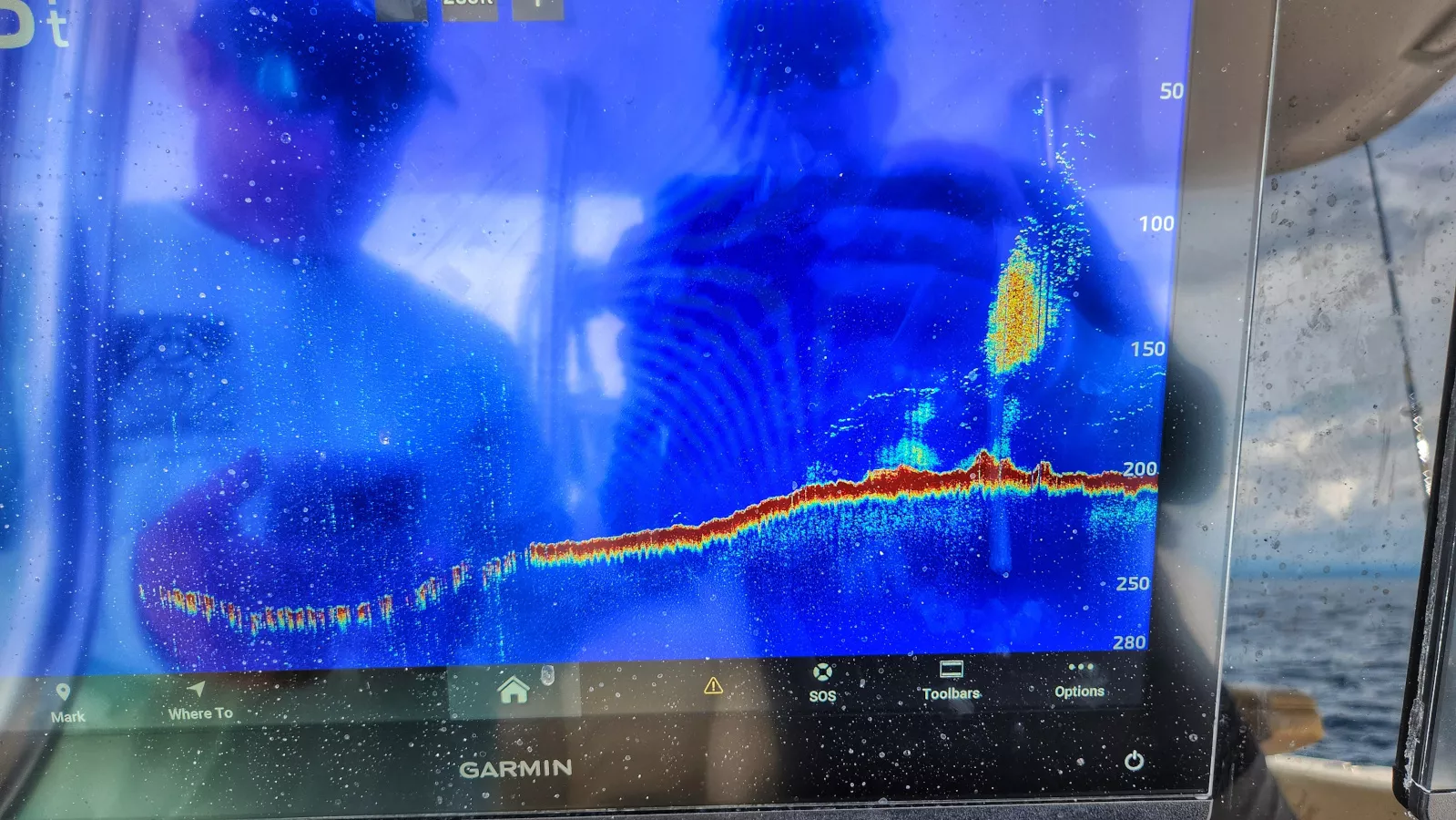
Understanding What Sonar Shows About the Bottom
To understand how to identify bottom structure on sonar, you first need to know how sonar works. A transducer sends sound waves into the water. These waves bounce back when they hit objects, including the lake floor, rocks, plants, and fish.
The sonar unit turns these echoes into images. Strong returns usually appear as thicker or brighter bottom lines. Weak returns often show softer materials like mud or silt.
The bottom reading is the foundation of sonar interpretation. Before looking for fish icons, learn to read the shape and strength of the bottom signal.
- ✦ Bottom line
The main sonar line shows where the lake floor begins and helps identify depth changes.
- ✦ Return strength
A strong echo often indicates hard surfaces, while a weaker echo may indicate soft sediment.
- ✦ Structure changes
Sudden changes in the bottom line can reveal ledges, holes, humps, and channels.
Why Bottom Structure Matters for Fishing
Fish rarely spread evenly throughout a lake. Many species gather around areas that provide food, cover, and protection.
A rocky point, submerged tree, or weed edge can create a hunting area for predators and a safe area for smaller fish.
- ✦ Fish habitat
Structure creates places where fish can feed and hide.
How to Read Hard and Soft Bottom Returns
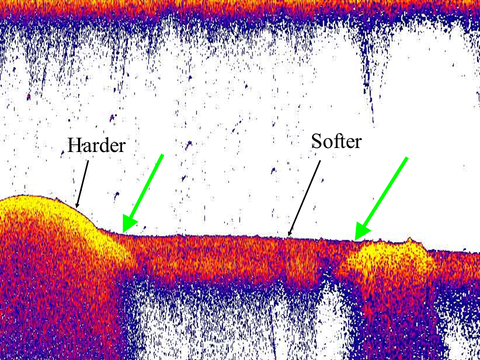
One of the most important parts of learning how to identify bottom structure on sonar is recognizing bottom hardness. The sonar return changes depending on the material below your boat.
Hard bottoms such as rock, gravel, and packed clay reflect more sound energy. They usually create a bright, thick bottom line with a strong secondary echo.
Soft bottoms like mud and deep silt absorb more energy. They often appear thinner and less defined on traditional sonar screens.

- ✦ Hard bottom signs
Look for bright colors, thick lines, and strong echoes below the main bottom return.
- ✦ Soft bottom signs
Look for weaker returns and less separation between the main bottom and secondary echoes.
Identifying Rocks, Ledges, and Drop-Offs on Sonar
Rocky areas are among the easiest structures to find once you understand sonar patterns. Rocks create strong returns because their surfaces reflect sound well.
Drop-offs appear as sharp changes in depth. On a sonar display, the bottom line moves quickly from shallow water to deeper water.
When learning how to identify bottom structure on sonar, focus on changes instead of isolated marks. A sudden rise or fall often matters more than a flat bottom.
- ✦ Rock piles
Rocks usually create uneven, irregular shapes above the main bottom line.
- ✦ Ledges
Ledges appear as sharp vertical changes where shallow and deep areas meet.
- ✦ Humps
Underwater humps appear as raised areas surrounded by deeper water.
Using Side Imaging to Find Hidden Structure
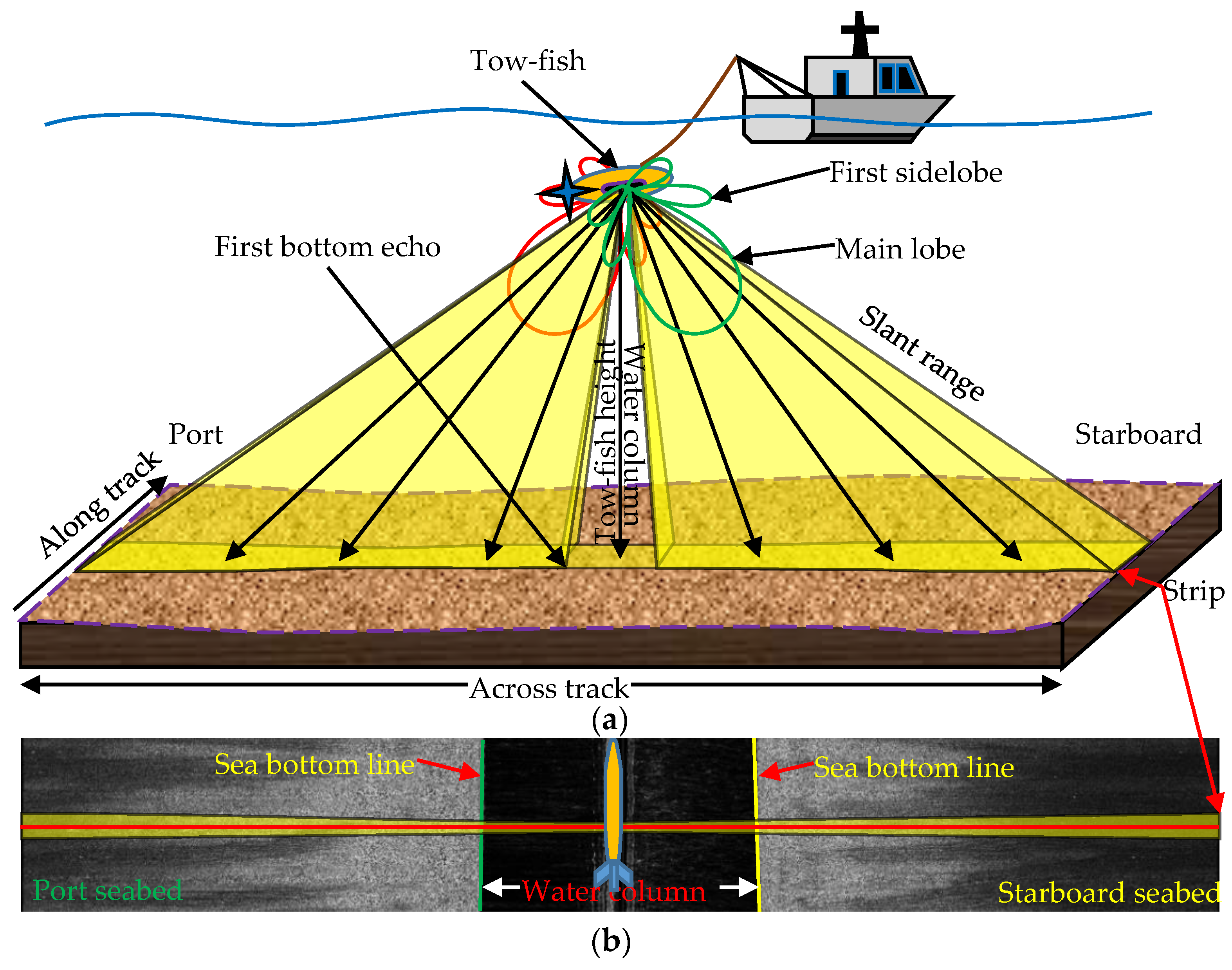
Side imaging expands your search area by showing structure away from your boat path. It can reveal rocks, brush piles, and contours that traditional sonar may miss.
A slow boat speed and clear water conditions often produce better side imaging detail.
- ✦ Wide coverage
Side imaging scans large areas and helps locate structure faster.
Finding Vegetation and Soft Cover with Sonar
Vegetation creates a different sonar pattern from rocks and hard surfaces. Weed beds often appear as vertical extensions rising from the bottom.
The key to learning how to identify bottom structure on sonar is comparing the shape of the return with the surrounding area. Plants usually create a softer, irregular appearance.
Dense vegetation can hold baitfish and predators. Finding the edge between weeds and open water is often more valuable than finding weeds alone.
- ✦ Weed lines
A clear edge between vegetation and open bottom can indicate productive fishing zones.
- ✦ Tall vegetation
Plants extending upward from the bottom often appear as thick vertical sonar marks.
Using Sonar Settings to Improve Bottom Structure Reading
Correct settings make a major difference when trying to identify bottom structure on sonar. Poor sensitivity, incorrect depth range, or excessive clutter can hide important details.
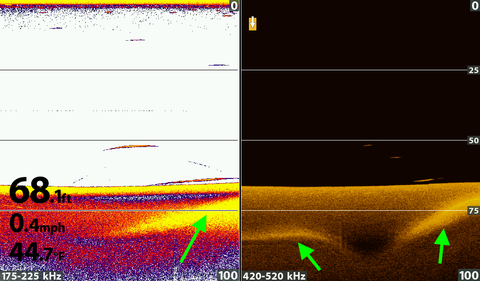
Most modern fish finders allow anglers to adjust sensitivity, contrast, color palettes, and frequency. Small changes can make structure much easier to see.
Experienced anglers often adjust settings based on water depth and conditions instead of using one permanent setup.
- ✦ Sensitivity
Increase sensitivity to reveal weak returns, but avoid creating too much screen noise.
- ✦ Depth range
Match the display range to the water depth so structure remains visible.
- ✦ Frequency choice
Higher frequencies provide more detail in shallow water, while lower frequencies reach deeper.
Common Mistakes When Reading Bottom Structure
Many beginners focus only on fish symbols and ignore the bottom. This can lead to missed opportunities because structure often explains why fish are present.
Another common mistake is moving too fast. Sonar needs time to build a clear picture, especially when scanning detailed areas.
Learning how to identify bottom structure on sonar takes practice. Comparing screen images with real locations improves your skill over time.

- ✦ Ignoring bottom hardness
Different bottom materials can change fish behavior and should not be overlooked.
- ✦ Overusing automatic settings
Automatic modes are useful, but manual adjustments often reveal more detail.
- ✦ Not marking locations
Saving waypoints helps you return to productive structure later.