Fish are often more active after rain due to increased food, oxygen, and water movement.
I’ve spent years fishing lakes, rivers, and coastal flats after storms, and I can tell you exactly how to fish after rain with practical, tested steps. This guide combines field experience, clear tactics, and simple science so you can find fish faster, pick the right baits and rigs, and stay safe while chasing that bite.

Why rain changes fish behavior
Rain alters water clarity, temperature, oxygen levels, and food supply. Those changes make fish move, feed, or hide depending on species and the amount of runoff. Understanding these shifts is the first step in learning how to fish after rain.
Fish often follow food washed into the water. Bugs, worms, crustaceans, and small baitfish get flushed from shore and creek mouths. Light rain can trigger feeding frenzies; heavy storm runoff can muddy water and push fish to cleaner pockets.
Rain also affects oxygen. Rainfall and runoff stir the water and add dissolved oxygen. That can make fish more active for a time after rain. Remember, the response differs by species and local conditions.
How to fish after rain: Best tactics
Adjust your tactics quickly after a storm. Change lure color, size, and retrieve speed to match new water conditions. Here are core tactics for how to fish after rain.
- Use darker or brighter lures in stained water so fish can see them.
- Slow your retrieve in very muddy water; short hops and pauses work well.
- Try topwater lures early after light rain when insects are active on the surface.
- Present baits near structure where clean water gathers, like rocks and docks.
- Fish the edges of current seams where fresh water meets clearer water.
Small adjustments often deliver big results. If the bite is slow, switch baits every 10–15 minutes. Consistency and curiosity pay off when learning how to fish after rain.

Where to fish after rain: spots to target
Rain creates predictable places where fish gather. Target these spots to find active fish quickly.
- Creek mouths and inflows — food and cooler water attract feeding fish.
- Points and bends — current concentrates food at these pinch points.
- Structure like docks, fallen trees, and rock piles — offer shelter and pockets of clearer water.
- Backwaters and eddies — provide calm spots where prey accumulates.
- Shorelines with overhanging vegetation — insects and worms wash in after rain.
Scout the water visually. Look for changes in color, floating debris lines, or areas of gentle current. These clues tell you where to concentrate your efforts when practicing how to fish after rain.
Gear, bait, and rigs to use after rain
Choosing the right gear helps you adapt fast. Use simple, reliable setups for the best results after a storm.
- Rod and reel — medium power spinning combos are versatile for post-rain conditions.
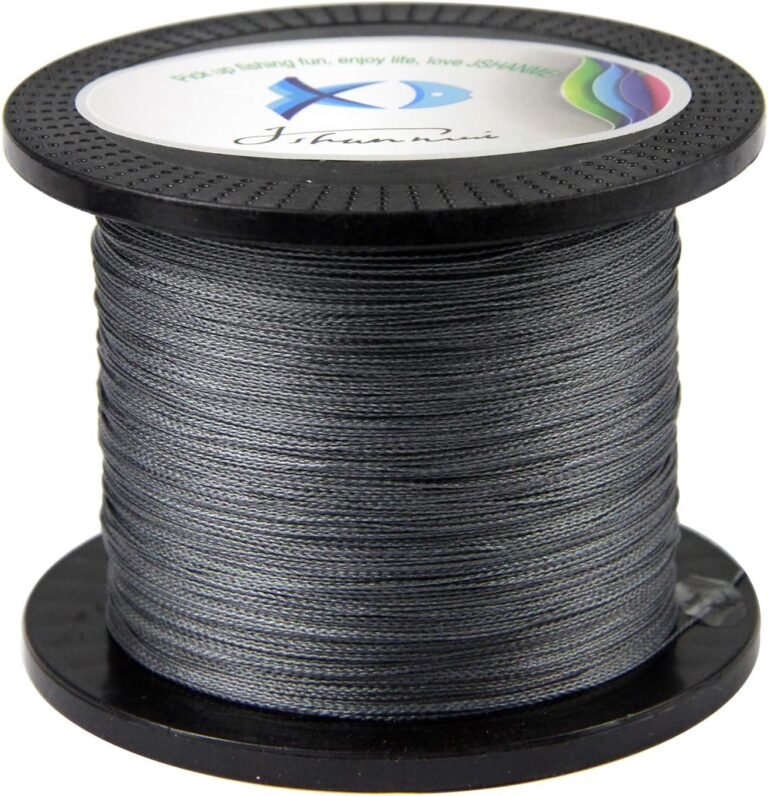
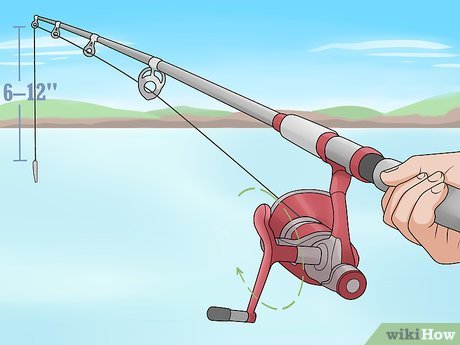
- Line — use a slightly heavier line if debris is present, otherwise stick with 6–12 lb for clarity.
- Lures — use shad-colored swimbaits in clear water and bright or dark lures in stained water.
- Live bait — worms, shrimp, or minnows work well near inflows and shorelines.
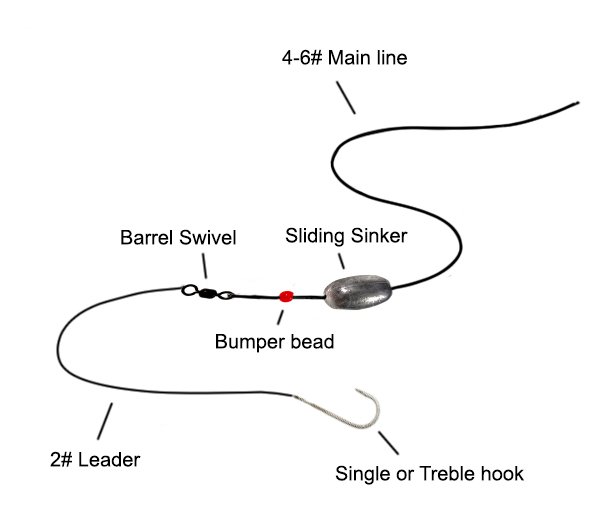
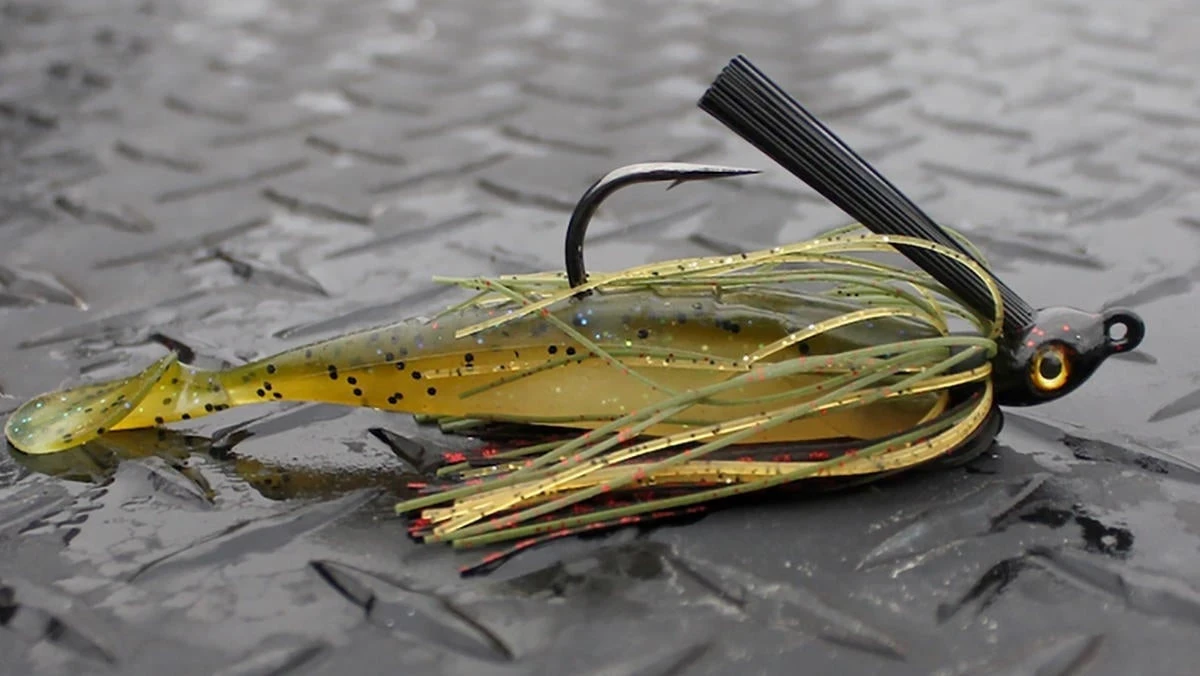
- Rigs — Carolina rigs and jigheads are great for fishing structure; topwater plugs work after light rain.
Match bait size to local forage. If small minnows dominate, downsize your lure. These choices reflect practical experience on how to fish after rain.

Safety, timing, and environmental tips
Safety and respect for the environment matter when fishing after rain. Heavy rains can change access and water conditions quickly.
- Check weather and water levels before you go. Flooded banks and fast currents are dangerous.
- Avoid wading in fast or murky water where hazards are hidden.
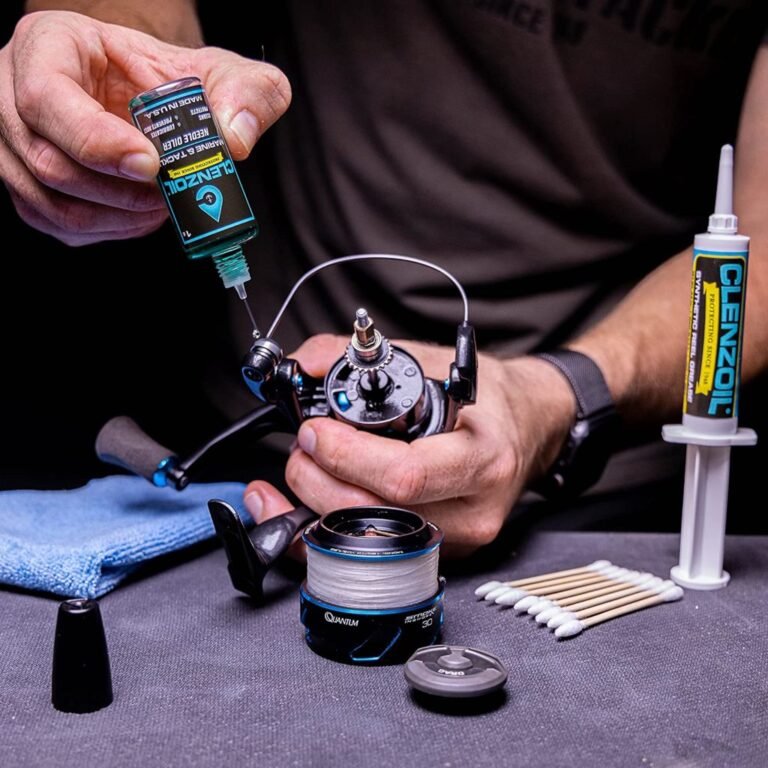
- Wash and dry gear after fishing to prevent spreading invasive species.
- Give fish a break in extremely cold or hot spells; stressed fish won’t recover well.
- Time your trip for the window after rain subsides when water clarity improves but food is still plentiful.
A cautious approach keeps you safe and preserves the fishery for future trips when learning how to fish after rain.
Personal experience: lessons from the water
I learned several lessons from real trips after storms. Once, after a heavy summer thunderstorm, bass moved to a narrow dock shadow within minutes. A small plastic worm worked where bigger lures failed. On another trip, light drizzle sent trout to shallow riffles, feeding on insects. Those days taught me to stay flexible and observant.
Mistakes I made early on included fishing the farthest bank first and ignoring the inflows. I also learned that changing lure color is often more effective than changing technique. These small shifts helped me catch more fish and enjoy safer outings when figuring out how to fish after rain.

Common mistakes to avoid when fishing after rain
Avoid predictable errors to stay productive and safe after storms.
- Fishing only deep water — food often concentrates near edges and inflows.
- Ignoring changing water clarity — lure color and size must adapt.
- Using the same retrieve — vary speed and pauses to trigger strikes.
- Overlooking safety — rapid water changes can be dangerous.
- Assuming one tactic fits all — different species respond differently after rain.
Learn from these mistakes and adjust quickly. Practicing these points improves your success at how to fish after rain.
Frequently Asked Questions of how to fish after rain
Will fish bite right after rain?
Often yes, especially after light rain, because insects and small creatures are washed into the water which triggers feeding. Heavy runoff may delay bites until water clarifies.
What lures work best after rain?
Bright or contrast-colored lures in stained water and natural colors in clear water work well. Topwaters can be excellent right after light rain.
Should I fish near inflows after rain?
Yes. Inflows bring food and cooler water that attract fish, making them prime spots after rain.
How long after rain is fishing good?
The best window is usually within a few hours to a day after light rain. For heavy runoff, wait until water clarity improves, which can take longer.
Is it safe to fish during or right after a storm?
Avoid fishing during lightning or heavy flooding. Wait until conditions are safe and water levels stabilize before heading out.
Conclusion
Fishing after rain can be one of the most productive and exciting times on the water if you know what to look for and how to adapt. Focus on inflows, structure, lure visibility, and safety. Try small changes in lure color and retrieve, and you’ll see better results. Get out soon and test these tips; then share what worked for you or ask questions below to learn more.