Use current seams, cast upstream, and present baits slowly to let fish eat naturally.
I’ve fished rivers for decades and taught anglers how to fish in a river current with reliable results. This guide breaks down gear, reading water, cast and drift techniques, rigs, safety tips, and my real-world lessons. Read on to learn simple, repeatable methods that work across streams, creeks, and big rivers.
Why river currents matter for fishing
River current shapes where fish live and how they feed. Fish conserve energy by holding in slower water near faster flows. Learning how to fish in a river current means using that energy pattern to present bait where fish expect food to pass. Master the flow and you will find more bites with less effort.
Read the water: seams, eddies, and holes
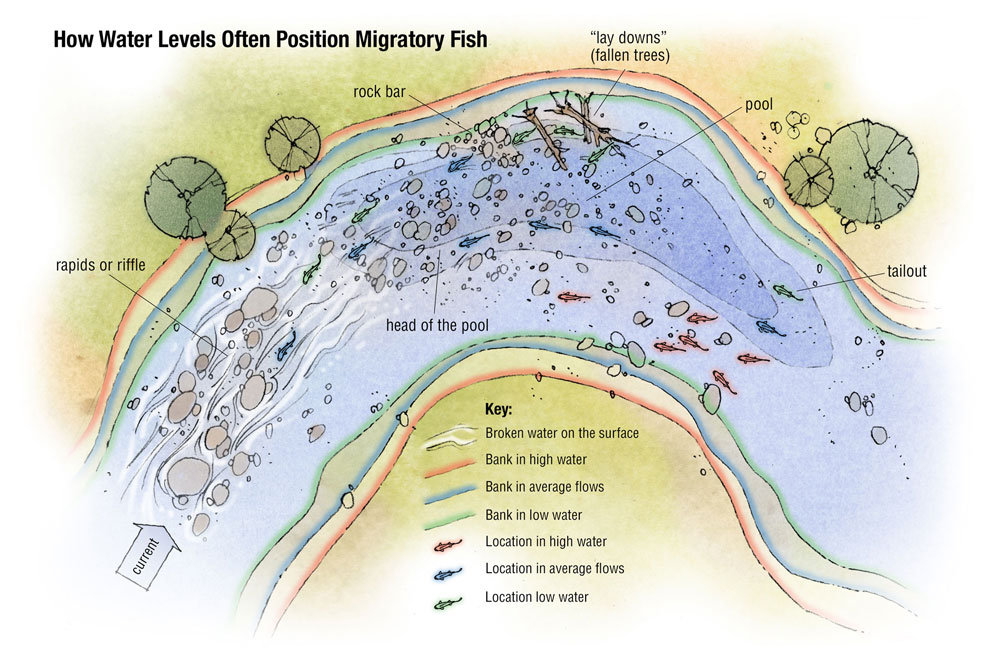
Spot seams where fast water meets slow water. Seams concentrate food and often hold fish. Look for eddies behind rocks and logs. Those are rest zones for trout, bass, and panfish. Cast to the seam or just below it and let your bait drift naturally.
Essential gear and setups
Choose gear that matches river size and fish species. Keep tackle simple and durable.
- Rods: Use 6–7 foot rods for small rivers and 7–9 foot rods for big rivers. Medium action is versatile.
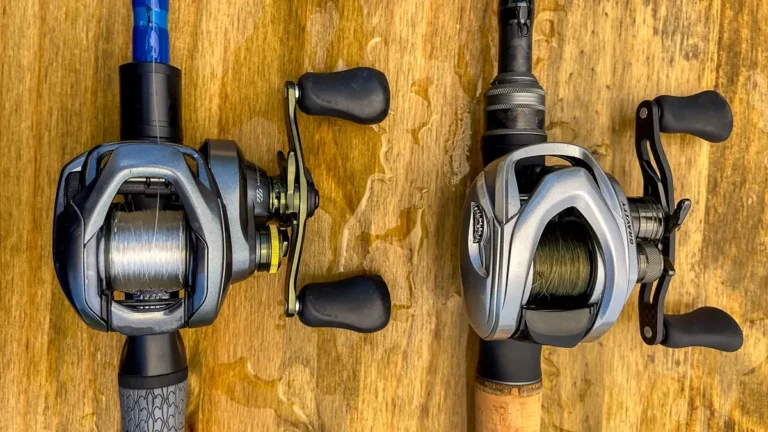
- Reels: Spinning reels with smooth drag are easy to control in current.
- Line: Use 6–12 lb mono or 6–10 lb braid for most rivers. Heavier line for big fish or snags.
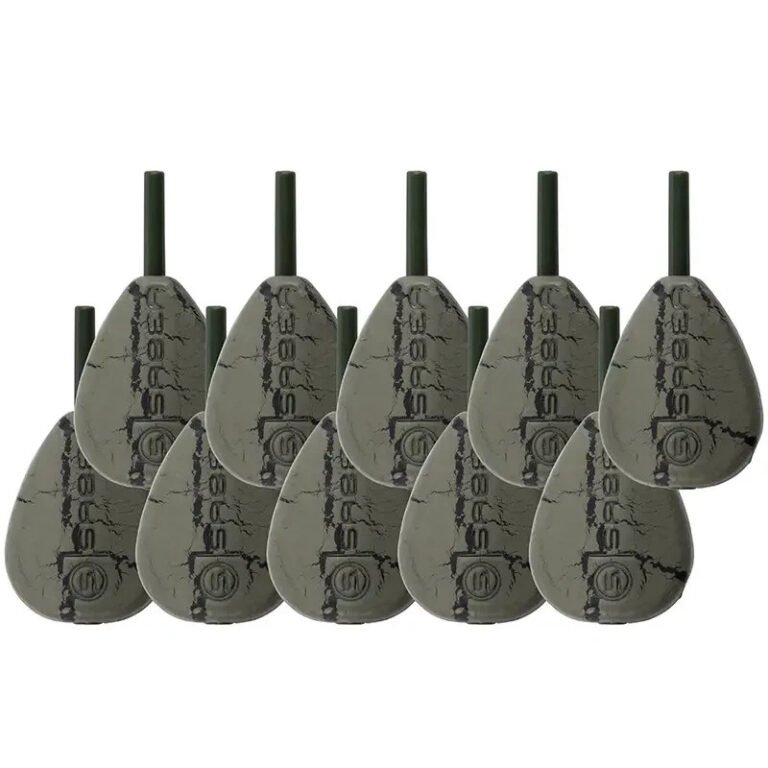
- Weights: Use 1/16 to 1/2 oz of split shot or bullet sinkers based on current speed.
- Hooks and rigs: Use size 8–2 hooks for panfish and trout. Use size 2–1/0 for bass and catfish.
Match your weight to the flow. Lighter for gentle flows. Heavier for swift water. This helps baits stay in the strike zone without hanging on the bottom.

Proven tactics: where and how to cast
Use these simple steps when you fish a river current.
- Pick a target: seam, eddy, or downstream of cover.
- Cast upstream of the target to let the rig drift naturally.
- Let the bait travel through the strike zone at the fish’s level.
- Reel slowly to maintain contact, or set when you feel weight.
Presentations that work well in current include float rigs, drifted baits, and slow-moving lures. When you learn how to fish in a river current, control of speed and drift is more important than flashy lures.
Rigs and baits that catch fish in current
Use rigs that move naturally with the flow. Keep setups simple and adaptable.
- Slip bobber rig: Great for suspending live bait at set depths in moving water.
- Carolina rig: Keeps bait near the bottom while letting current move the leader.
- Jig and soft plastic: Cast upstream and let it drift with a slow retrieve.
- Inline spinners: Keep speed slow; let them swing through seams.
- Live bait: Worms, minnows, and shrimp work well when presented on a light sinker.
Vary weight and leader length until your bait moves like natural drift. This is a core skill for how to fish in a river current.
 presentation details”
style=”max-width: 100%; height: auto; border: 2px solid black; border-radius: 10px; display: block; margin: 0 auto;”
loading=”lazy”
/>
Casting and presentation details
Small changes in cast and retrieve make big differences.
- Cast upstream for a natural drift. Let bait pass fish and then pull it back slowly.
- Cast across a seam to let the current sweep the bait downstream.
- Use short, controlled retrieves to keep contact.
- Pause the bait in the current to mimic a drifting food item.
Think like the fish. They expect food to come with the flow. Match that pace.
Safety, ethics, and river etiquette
Rivers change fast. Respect them and others on the water.
- Check current speed and water level before wading. Swift water can knock you down.
- Wear a life vest in deeper or faster water. Use a wading staff for balance.
- Leave no trace. Pack out line and trash.
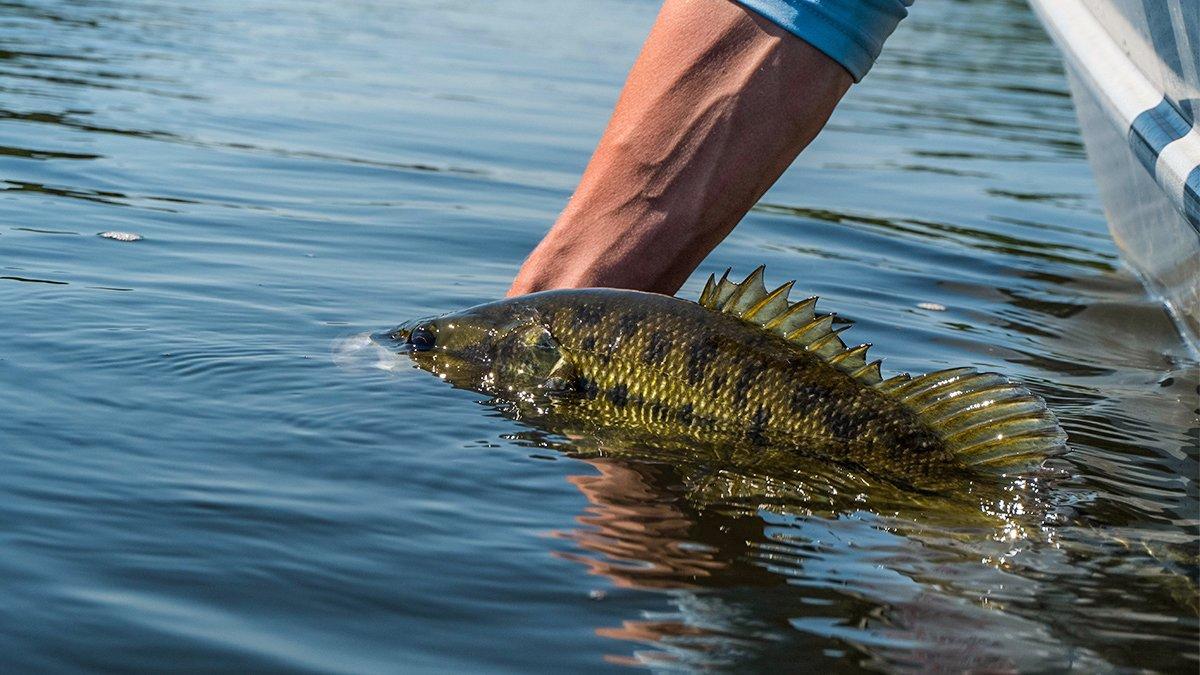
- Follow local rules and size limits. Practice catch and release when needed.
Responsible anglers protect fish and water for future trips.
My experience: lessons learned on the river
I once chased trout on a large river and kept missing bites. I was using heavy weights and dragging baits too fast. I switched to a light slip bobber and cast upstream into a seam. The drift was slow and natural. Fish started biting within an hour. That taught me: small changes in presentation matter most when you learn how to fish in a river current.
Common mistakes and how to avoid them
Avoid habits that reduce your catch rate.
- Overweighting: Too much sinker makes your bait hug the bottom and look unnatural.
- Casting to the wrong spot: Avoid dead water; aim for seams and edges.
- Ignoring depth: Fish may sit shallow or deep. Vary your depth until you find them.
Fix these and you will see more consistent results.
Quick questions people ask (PAA-style)
Where should I cast in a river current?
Cast upstream of seams, eddies, and structure so the bait drifts past fish. Aim for water breaks where fast meets slow.
What weight should I use in a moderate current?
Start with 1/8 to 1/4 oz and adjust up for faster flows. The goal is a slow, natural drift.
How do I keep my bait in the strike zone?
Cast upstream and use a slip bobber or light weight. Control the drift speed with your line and short retrieves.
Frequently Asked Questions of how to fish in a river current
How do I choose the best spot to fish in a river current?
Look for seams, eddies, tails of pools, and downstream of cover. Fish hold where they can rest and ambush food that drifts by.
Can I use the same tackle for all river currents?
No. Match rod, line, and weight to river size and fish species. Use lighter setups for small streams and heavier gear for large, fast rivers.
Should I cast upstream or downstream in a current?
Cast upstream and let your bait drift downstream naturally. This gives the most natural presentation and more strikes.
What bait works best in fast water?
Inline spinners and streamers work well, plus live bait under a slip bobber. Heavier jigs with soft plastics can also cut current and stay in the strike zone.
How do I avoid snagging in heavy current?
Use streamlined weights and short casts into seams rather than directly into cover. Keep your line tight and lift gently if it snags.
Conclusion
Mastering how to fish in a river current takes practice, patience, and simple adjustments. Read the water, match your gear to the flow, cast upstream, and present bait so it drifts naturally through seams and eddies. Try one new tactic each trip and learn from each drift. If you found these tips useful, try them on your next outing, leave a comment with your results, or subscribe for more river fishing guides.