Stand square, load the rod, and flick your wrist smoothly to cast accurately.
I have fished for over 12 years and taught dozens of beginners the exact steps on how to cast a fishing rod properly. This guide breaks the skill into clear parts: gear, stance, the cast, common mistakes, advanced moves, and practice routines. Read on to get confident, accurate casts that land your bait where the fish are.
Gear and setup: choose the right rod, reel, line, and lure
Good casting starts with simple gear choices. Pick a rod length and action that match your target species and water type. Match your reel and line so the rod balances in your hand. Check guides, knot strength, and lure weight before you cast.
- Rod: Choose the length and action that feel balanced in your hand.
- Reel: Set drag and spool tension to your line and lure weight.
- Line: Use a line strong enough for fish but light enough to cast well.
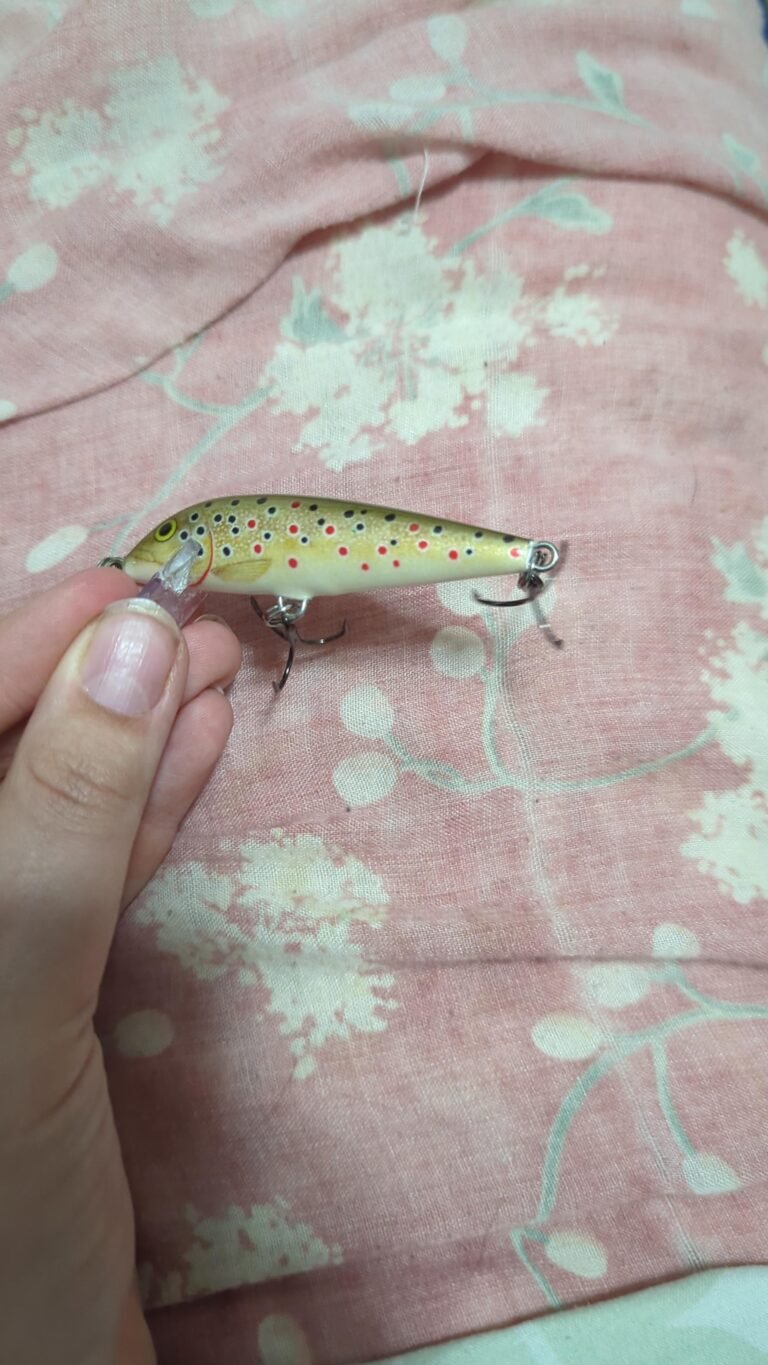
- Lure or bait: Match size and weight to rod test or casting style.

Step-by-step casting technique for consistent results
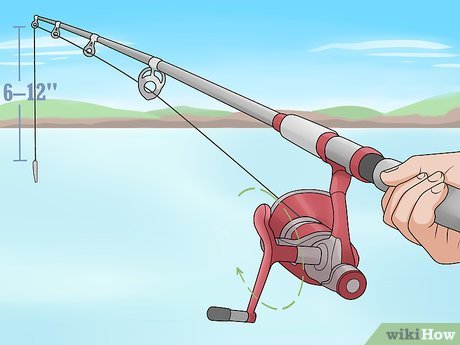
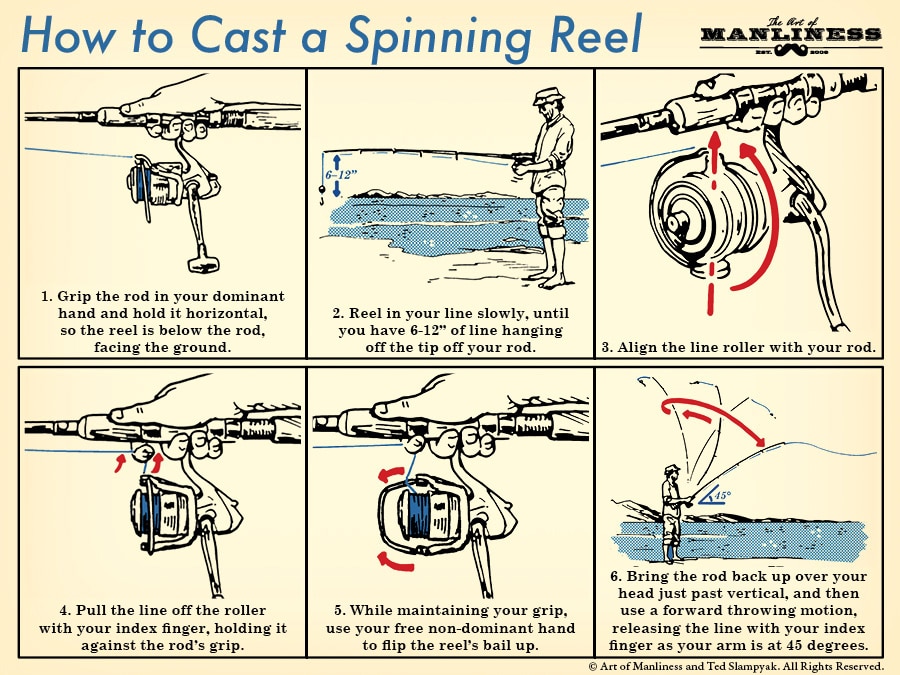
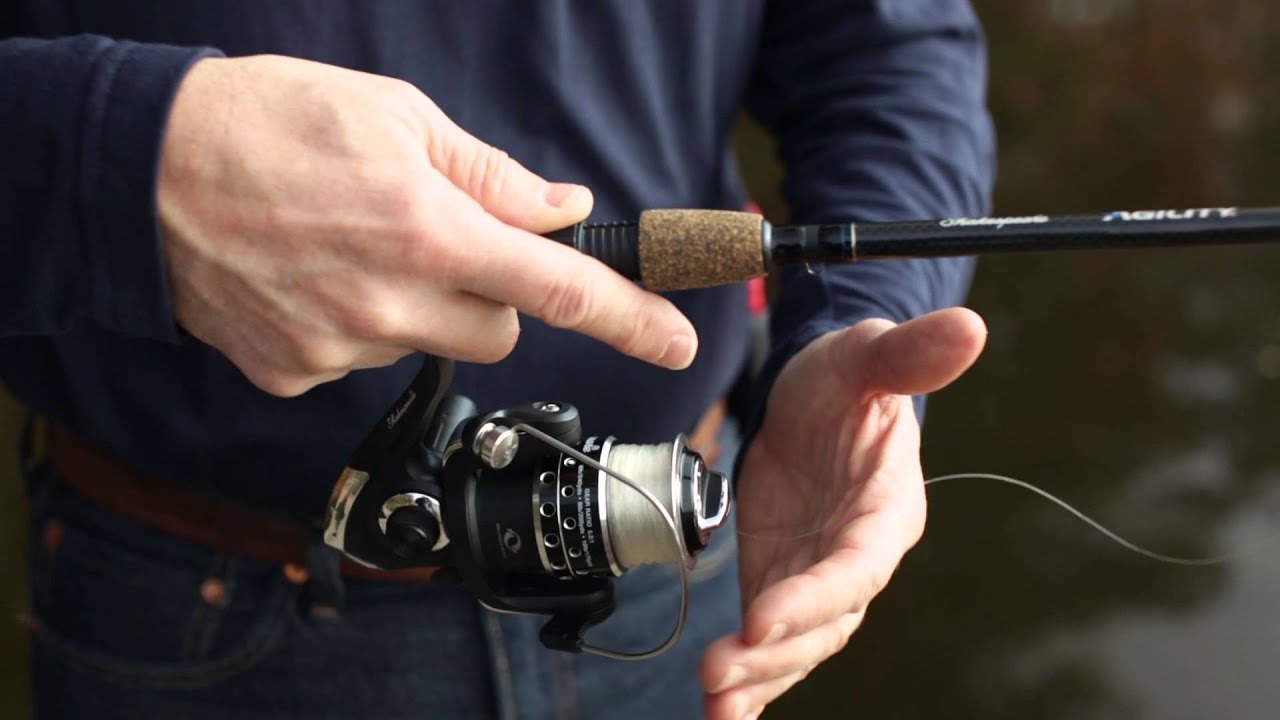
Stand with feet shoulder-width apart and face your target. Keep the rod tip pointed slightly down. Grip the rod just above the reel with your thumb on top of the handle for control.
Start the cast by bringing the rod back smoothly to the 1 o’clock position. Pause briefly to "load" the rod. Push the rod forward to the 10 o’clock position and release the line at the moment the rod points to your target. Practice the rhythm: back, pause, forward, release. Learning how to cast a fishing rod properly means repeating this rhythm until it feels natural.
- Load the rod: Bend it slightly by backing the rod.
- Release point: Let go of the line when the rod tip points toward your spot.
- Follow-through: Point the rod tip where you want the lure to land.
I learned this rhythm on a windy lake. I practiced the release timing for hours. Small changes in timing cut backlash and improved distance.

Common mistakes and how to fix them
Overpowering the cast causes backlash and poor accuracy. Casting too early or too late leads to short or wild casts. Using the wrong line tension on the reel makes knots slip or the lure spin.
- Too hard: Use a smoother motion and shorter stroke.
- Wrong timing: Rehearse the pause between back and forward motions.
- Bad setup: Re-tune reel tension and check line condition.
When I started, I snapped lines by jerking too hard. Slowing down and aiming fixed that within a day.

Advanced casts and when to use them
Once you master basics, learn sidearm, roll, and flip casts. Each cast meets a different need. Sidearm keeps the lure low for windy days. Roll casts work well with limited backspace. Flip casts drop the bait quietly into heavy cover.
- Sidearm cast: Good for wind control and low arch.
- Roll cast: Use when you cannot take a full back-swing.
- Flip cast: Place bait close to structure without spooking fish.
Try these only after you can do standard casts cleanly. Practicing advanced casts sharpens your overall skill in how to cast a fishing rod properly.

Practice drills, safety tips, and ways to improve accuracy
Practice in an open field before you fish. Use targets like cones or floating bobbers. Set small goals: hit the target three times in a row. Vary lure weight and practice stalls and long casts.
- Drill one: 20 short casts at a close target.
- Drill two: 15 long casts focusing on follow-through.
- Drill three: 10 casts with different lures to feel balance.
Safety tips matter. Watch your surroundings before you cast. Keep space behind you clear. Wear eye protection when practicing heavy casts. My most valuable tip: film a few casts on your phone. Watching yourself reveals timing flaws fast.
Troubleshooting: quick fixes for real-time problems
If your line tangles, spool out line and remove twists. Backlash knots can be removed by easing the spool forward and rewinding slowly. If the lure spins, check knot quality and lure balance.
- Tangles: Untwist the line and retie weak knots.
- Backlash: Push the spool forward and clean up loops.
- Short casts: Increase wrist snap and check lure weight.
Two short questions anglers often ask: What causes backlash and how to cast a fishing rod properly in wind? Backlash comes from too much spool speed or overly hard casting. In wind, lower your cast and use heavier lures to maintain accuracy.

Frequently Asked Questions of how to cast a fishing rod properly
What is the easiest casting style for beginners?
A basic overhead cast is the simplest to learn. It uses a straight back-and-forward motion and is easy to time.
How do I avoid backlash on a baitcasting reel?
Control spool speed with your thumb and set spool tension correctly for your lure weight. Practice light casts to build touch.
How much wrist should I use when casting?
Use a small wrist flick at the end of the forward motion. Most power comes from shoulder and forearm, not just the wrist.
How long does it take to learn consistent casts?
With daily short practice, many people see steady improvement in a week. Regular practice over a month builds real consistency.
Can I learn to cast well on my own?
Yes, you can learn alone by practicing drills and recording your casts. Feedback from an experienced angler speeds progress.
Conclusion
Mastering how to cast a fishing rod properly takes simple steps: pick the right gear, practice the back-pause-forward-release rhythm, fix common mistakes, and try advanced casts when ready. Start with short practice sessions, focus on timing, and keep safety in mind. Now get out, practice these drills, and share your progress or questions below — subscribe or comment to keep learning and improving.