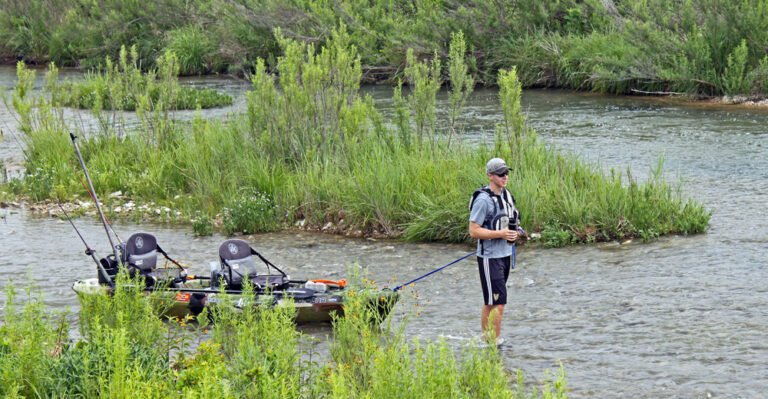
Braided line can be excellent for trout when used with a light, invisible leader.
I’ve fished trout for decades in streams, rivers, and lakes. I will break down whether is braided line good for trout fishing, when it shines, and when it hurts your bite rate. You’ll get clear setups, real tips from my time on the water, and simple tests to pick the right braid and leader for trout.

Why braided line for trout?
Is braided line good for trout fishing depends on water type, fish size, and gear. Braided line has almost no stretch and very high sensitivity. That makes it easy to feel light taps, set hooks fast, and pull trout from cover. At the same time, braid is thin for its strength, so you can spool more line and cast farther with small diameters.
Benefits of using braided line for trout
Using braided line has clear perks for trout anglers. These benefits explain why is braided line good for trout fishing in many situations.
- Sensitivity keeps you alert to soft takes. You feel every tick on the line.
- Thin diameter lets you use lower pound test without losing strength. You can spool more line for deeper water or long drifts.
- Strong knot-holding makes it reliable around snags and rocks. Big trout that run into heavy cover are easier to control.
- Durability resists abrasion from logs and braided streambeds better than light mono in some cases.
- Consistent diameter reduces line memory and improves casting distance and accuracy.
Limitations and trade-offs
No line is perfect. Knowing limits helps decide if is braided line good for trout fishing in the place you fish.
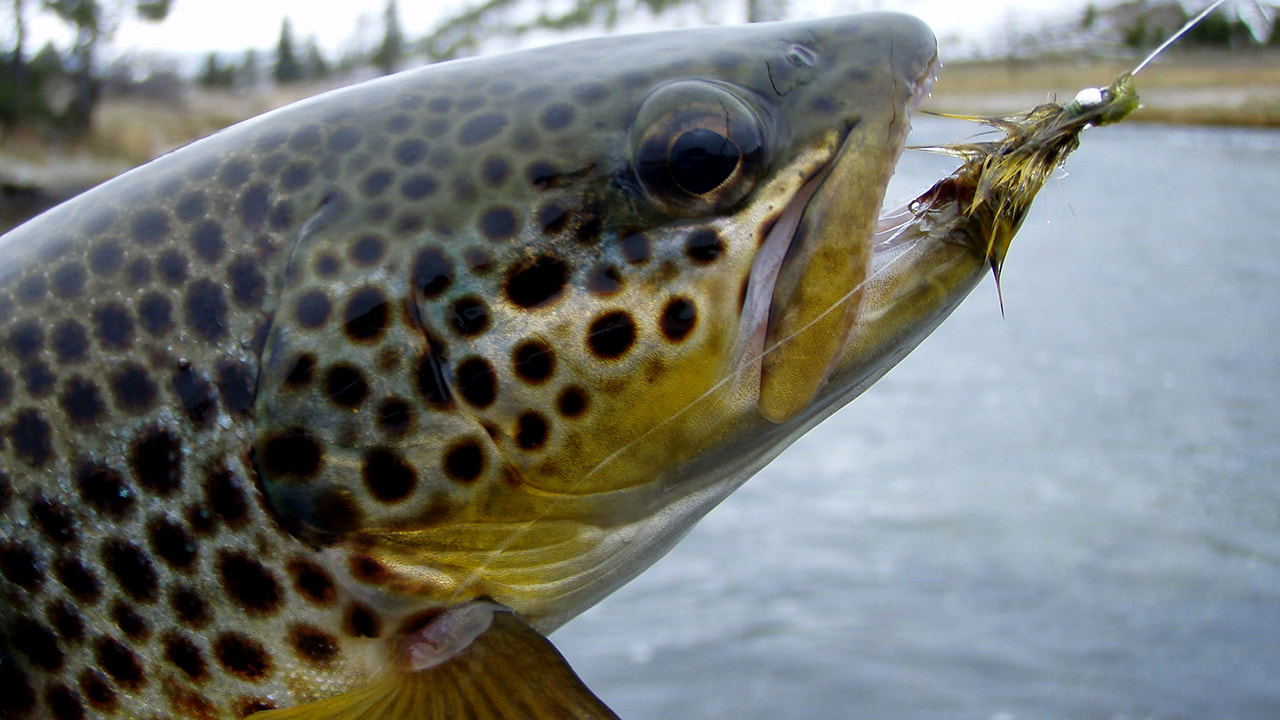
- Visibility can spook wary trout in clear, still water. Braid is easier to see than mono or fluorocarbon.
- Lack of stretch means less shock absorption on hard runs. You need good drag tuning and rod action.
- Knots can slip without the right knot and sometimes need a backing knot or special taper.
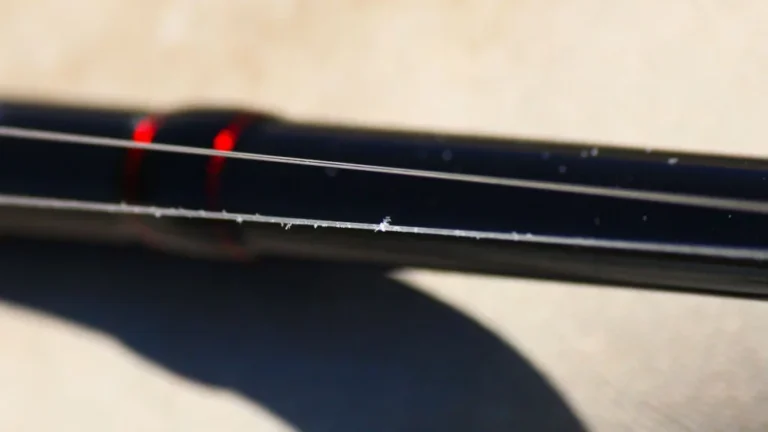
- Thin braid can cut soft fingers and may abrade on rough edges faster than fluorocarbon leader.
- Wind can cause casting issues with light braided lines and very light lures.

How to rig braided line for trout
If you decide is braided line good for trout fishing for you, rig it the right way. A simple braid-to-leader setup often gives the best of both worlds.
- Spool braid on the reel at the correct level. Match braid strength to reel and rod specs.
- Use a 4–8 foot fluorocarbon or mono leader. Typical leader tests range from 4 to 8 lb for trout.
- Connect with a strong knot. Use a double uni knot for splice, or an FG knot for thin braid to fluorocarbon. Trim tag ends neat.
- Add a small dropper or split shot for nymphs. Keep weight minimal for natural drift.
- Tune your drag. Low-stretch braid needs smooth, slightly looser drag to protect light leaders.
Example setups
- Clear stream: 6 lb braid (thin), 6 ft 6 lb fluorocarbon leader, small dry flies or light spinners.
- Lake trolling: 10 lb braid, 8 ft 10 lb fluorocarbon, deeper lures for big trout.
- Heavy cover: 15 lb braid with 4–6 ft leader, stronger hook setups for big fish.
Quick PAA-style questions
Q: Should you use braid with a fluorocarbon leader?
A: Yes. A leader hides braid’s visibility and adds shock absorption for trout.
Q: What knot is best for braid to leader?
A: Double uni or FG knot work well. Both hold braid and clear leader securely.
Q: Can you use braid for small streams?
A: You can, but use thin braid and a long leader to reduce spooking trout.
Choosing the right braid and test
Choosing the proper braid answers much of whether is braided line good for trout fishing where you go. Think about fish size, water clarity, and gear balance.
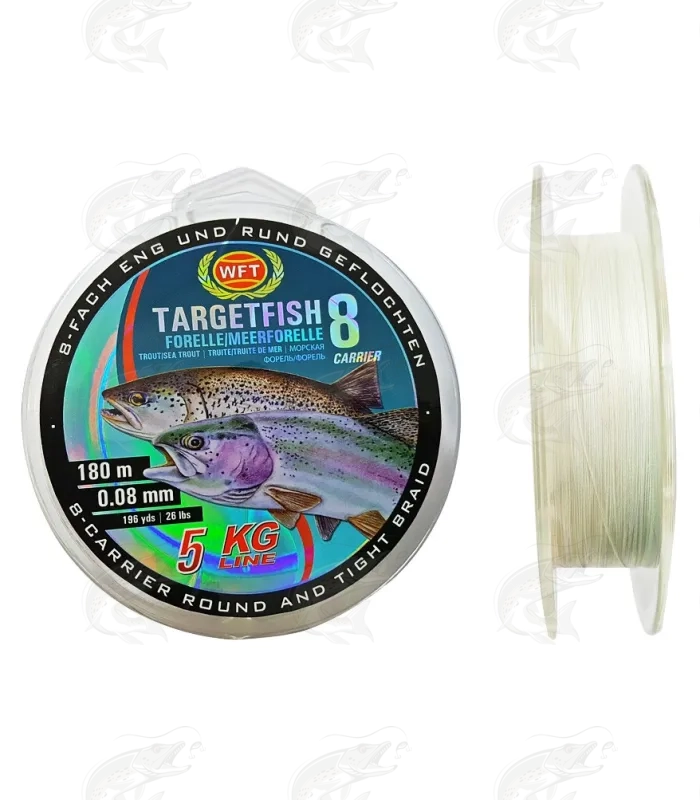
- Pick a thin braid to match light lures. A braid labeled 4–8 lb test (or PE0.6–1.0) casts well and is strong.
- Match reel spool size. Large reels with small braid are good for long casts and deep water.
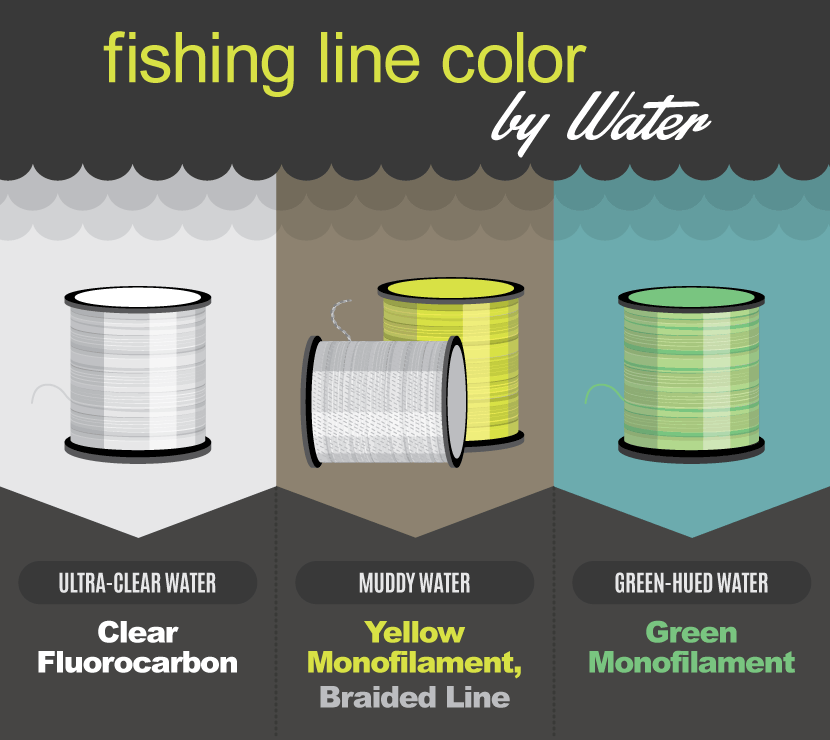
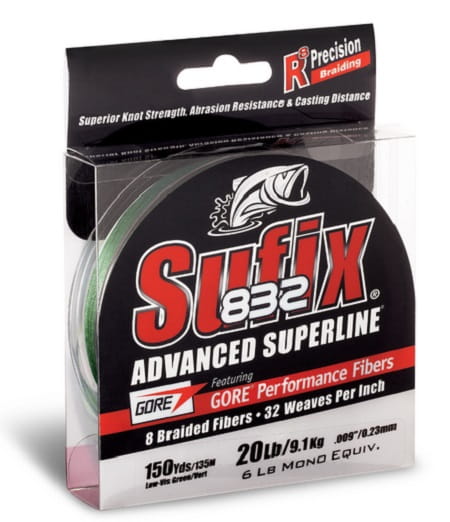
- Color matters. Low-visibility colors like moss green or tan blend better in clear water than bright white.
- Replace braid often. UV and grit will wear it down. Check for fray near the spool and guides.

Personal experience, lessons, and tips
I learned the braid lesson on a spring morning in a clear creek. I used thin braid without a leader. Fish spooked. I switched to a 6-foot fluorocarbon leader and caught steady trout. Key lessons I learned apply to you.
- Always carry spare leaders sized 4–8 lb. They matter more than the braid.
- Tie knots carefully. A bad knot loses fish. Practice the double uni and FG until smooth.
- Use braid where sensitivity and strength matter, like in deep runs or around cut banks.
- If trout are shy, trim leader length and reduce braid visibility by using natural-colored braid.
- Test drag before a big drift. Braided line and light leaders can snap if drag is set too tight.

Practical examples and scenarios
Here are real-world choices that show whether is braided line good for trout fishing by situation.
- Small, clear brook trout stream: Use light mono or fluorocarbon main. If you use braid, add a long leader and stealthy casts.
- Big river trout in current: Braid mainline with 6–8 ft fluorocarbon leader helps feel soft strikes and control runs.
- Lake trout or trophy rainbows: Braid lets you cast heavy spoons long and stay connected on deep fish with thin diameter.
- Woody, snaggy runs: Braided mainline cuts through brush and recovers fish better than mono setups.
Maintenance and safety tips
Simple care keeps braid working and safe. These steps help you land trout and avoid line failure.
- Rinse braid after salt or muddy use. Dirt shortens its life.
- Check for frays at contact points. Cut and re-tie if needed.
- Use a leader clamp or small swivel to protect knots from slipping.
- Wear a finger protector or use loop knots to avoid cuts on heavy drag runs.
Frequently Asked Questions of is braided line good for trout fishing
Will braided line spook trout?
Braided line can spook trout in very clear, calm water because braid is visible. Use a long clear leader or choose a natural braid color to reduce spooking.
Can you use braided line with light lures?
Yes, you can. Use thin braid and a light leader to keep the lure action natural. Adjust casting style for wind and memory.
What leader length should I use with braid?
A 4–8 foot leader works well for most trout spots. Longer leaders help in clear water or when trout are shy.
Is braid stronger than monofilament of the same diameter?
Yes. Braid typically has higher tensile strength per diameter than mono. That means thinner braid can equal stronger mono.
How do I tie braid to a fluorocarbon leader?
Use a double uni knot or an FG knot for secure connections. Trim tag ends close and test the knot before fishing.
Can braid be used on fly reels for trout?
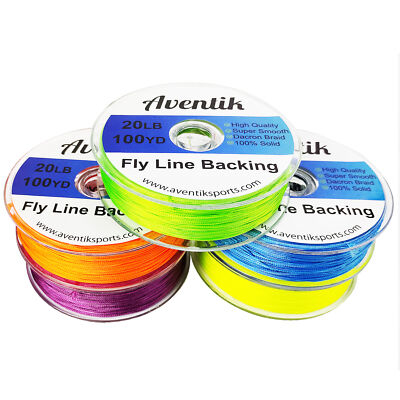
Braid is often used as backing on fly reels and rarely as the main fly line. Backing helps fight big trout and fill the spool.
Conclusion
Braided line can be an excellent tool for trout fishing when used correctly. It gives top sensitivity, thin diameter, and strength that help in deep runs, heavy cover, and long casts. Pair braid with a clear fluorocarbon or mono leader, tune your drag, and choose a thin braid for trout waters. Try one of the setups here next time you fish and notice how strikes feel. If you found this helpful, leave a comment with your favorite braid setup, subscribe for more tackle tips, or try a short on-water test this week to see how braid changes your catch rate.