Fishing jig getting snagged how to free it is a common challenge for anglers across the United States. Jigs catch fish because they reach rocks, wood, grass, and deep cover where fish hide. Those same areas can trap your lure.
After years of jig fishing, one lesson stands out: patience saves more jigs than power. A calm approach protects your tackle and often brings your favorite jig back without damaging the hook or line.
Why Fishing Jigs Get Snagged So Often
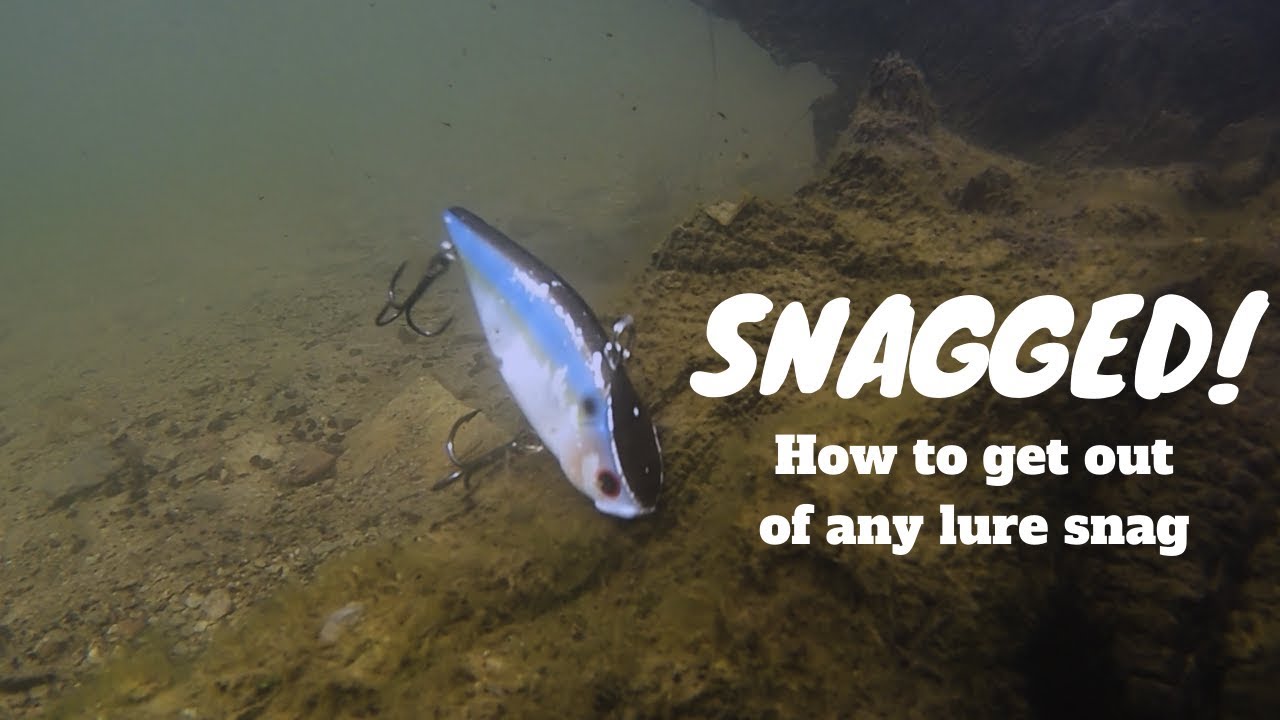
A jig gets snagged when the hook, head, or skirt becomes trapped by underwater objects. Common problem areas include rocks, tree limbs, brush piles, docks, and thick weeds.
Understanding fishing jig getting snagged how to free it starts with knowing what caused the snag. A hook buried in wood needs a different solution than a jig wedged between rocks.
- ✦ Rocky bottoms
Jig heads can slip into cracks between stones and become locked in place.
- ✦ Wood cover
Branches and stumps can grab hooks tightly during a retrieve.
- ✦ Heavy vegetation
Grass and weeds can wrap around a jig and stop movement.
How Your Fishing Style Affects Snags
Dragging a jig slowly through cover produces bites, but it also increases contact with objects. Learning when to lift, hop, or swim a jig helps reduce unnecessary hang-ups.
Step-by-Step Method for Freeing a Stuck Fishing Jig
When fishing jig getting snagged how to free it becomes the problem, avoid immediately pulling hard. Strong pressure often bends hooks, breaks line, or wedges the jig deeper.
Start with simple methods and increase force only when needed. Most snags can be released with careful movement.
- ✦ Step 1: Stop pulling
Keep calm and lower the rod tip to remove constant pressure from the hook.
- ✦ Step 2: Give slack line
A short pause can let the jig fall backward out of the object holding it.
- ✦ Step 3: Change direction
Move your boat or walk along shore to pull from a new angle.
The Gentle Pop Technique
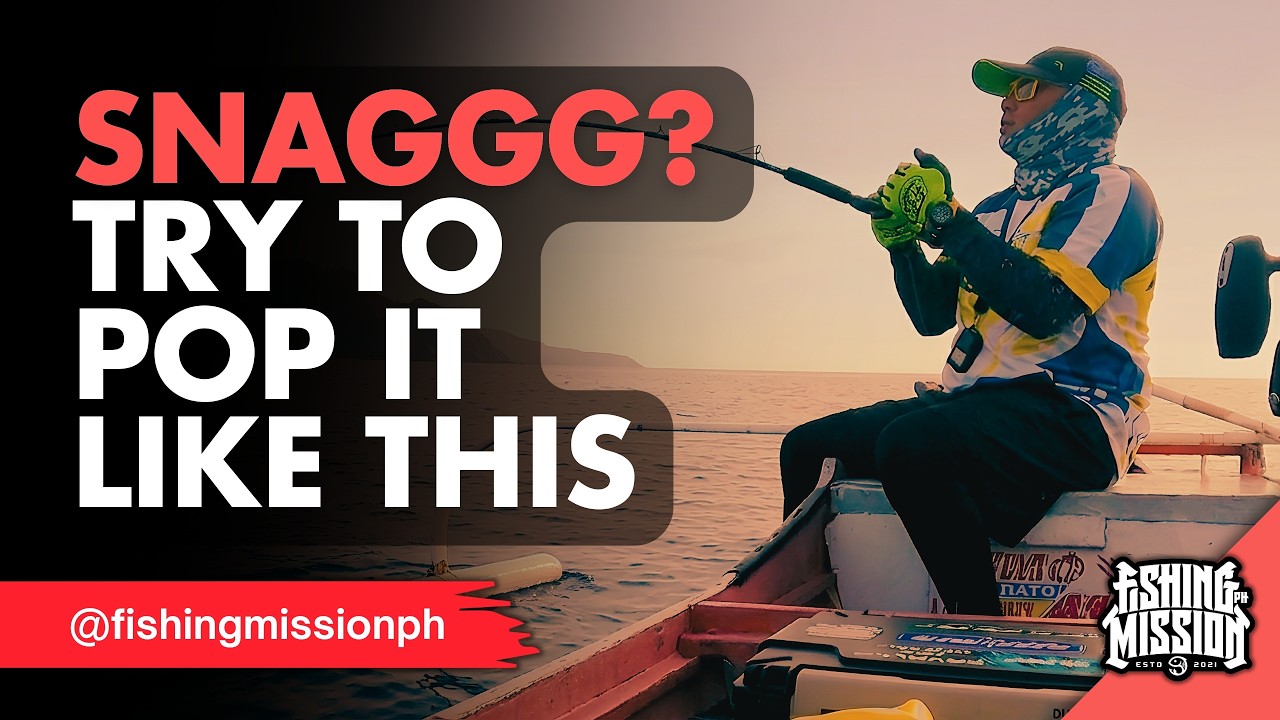
Point the rod toward the snag and create light tension. A quick, controlled snap can shake the hook free without applying nonstop pressure.
Advanced Ways to Recover a Deeply Snagged Jig
Some snags require more advanced methods. These techniques help when normal pulling does not work.
The best approach for fishing jig getting snagged how to free it depends on the location, water depth, and type of cover.

- ✦ Bow and arrow release
Pull the line slightly, create tension with your fingers, and release it quickly to send vibration down the line.
- ✦ Use a lure retriever
A weighted retriever can reach underwater hooks and save expensive jigs.
- ✦ Reverse the boat
Moving back along your path can pull the jig out from the direction it entered.
When to Stop Trying
If the jig will not move after several careful attempts, forcing it may cost your rod or line. Sometimes cutting the line is safer than damaging equipment.
How to Prevent Fishing Jig Snags Before They Happen
The easiest solution to fishing jig getting snagged how to free it is reducing the number of snags in the first place. Smart tackle choices and better retrieves make a major difference.
Experienced anglers adjust their jig setup based on water conditions instead of using the same approach everywhere.
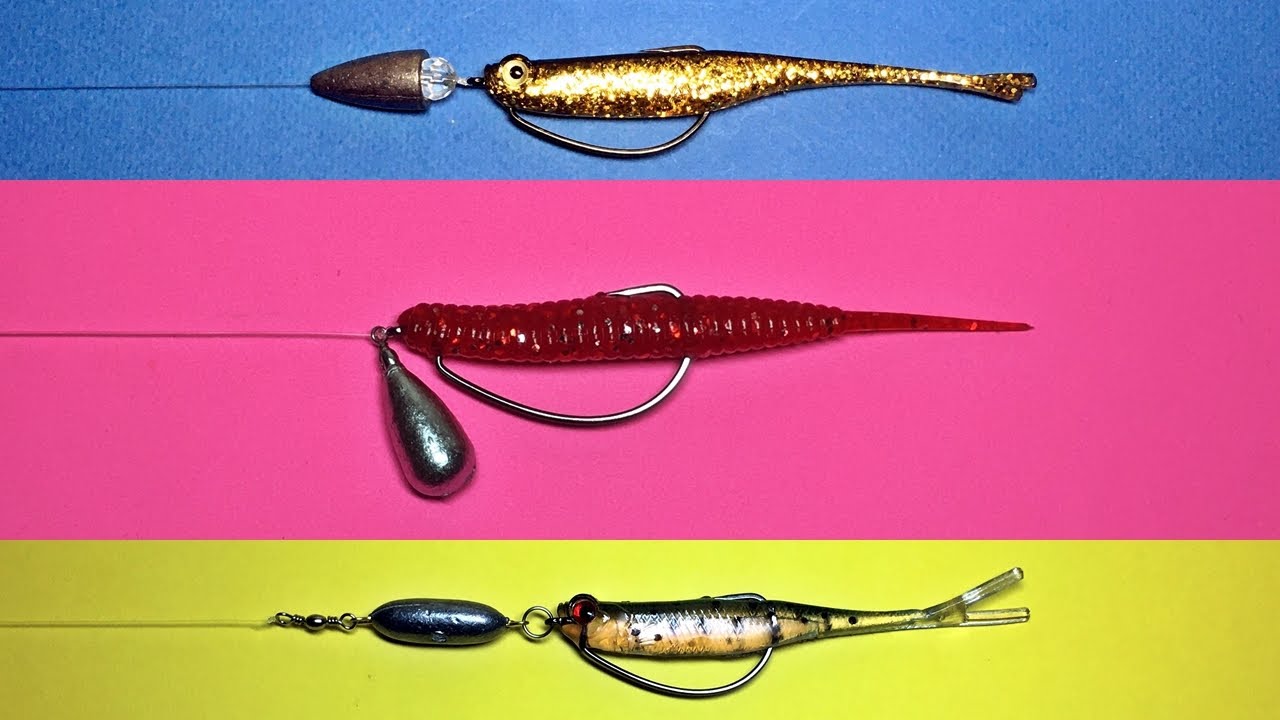
- ✦ Choose weedless designs
Guarded hooks and streamlined heads move through cover more easily.
- ✦ Match jig weight
A lighter jig may stay above rocks and avoid unnecessary contact.
- ✦ Control your retrieve
Slow lifts and short hops help you feel cover before the hook locks in.
Best Jig Choices for Heavy Cover
Football jigs work well on rocky bottoms, while flipping jigs are often better around wood. Choosing the correct style lowers snag risk.
Common Mistakes Anglers Make When Freeing Jigs
Many lost jigs happen because anglers react too quickly. Pulling harder feels natural, but it often creates more problems.
Avoiding these mistakes improves your success with fishing jig getting snagged how to free it situations.
- ✦ Using maximum force
Hard pulls can break line and damage rods.
- ✦ Keeping the same angle
A snag often releases when pressure comes from another direction.
- ✦ Ignoring line condition
A scratched or weak line may fail during recovery.