When anglers search for fishing lure hooks fouling during retrieval how to fix, they usually notice one frustrating problem: the lure comes back with hooks stuck together, wrapped around the line, or hanging in the wrong position. This issue can ruin a good cast and reduce the chance of catching fish.
After years of working with hard baits, soft plastics, and treble hook lures, I have learned that most fouling problems have a clear cause. The right hook setup, steady retrieve, and simple maintenance steps can solve many fishing lure hooks fouling during retrieval how to fix situations before they become a regular problem.
Why fishing lure hooks foul during retrieval
Understanding why hooks foul is the first step in learning fishing lure hooks fouling during retrieval how to fix. A lure works because every part moves in balance. When hooks, rings, or line interfere with that movement, the lure stops working correctly.
Hook fouling often happens during fast retrieves, sudden direction changes, or when a lure rolls too much in the water. Small design problems can also cause hooks to swing into each other.
- ✦ Hook size mismatch
Hooks that are too large or too small can change lure movement and create contact between hook points.
- ✦ Loose hook movement
Hooks that swing freely may catch nearby hooks, split rings, or the fishing line.
- ✦ Line contact
Slack line or twisting line can wrap around hooks during a retrieve.
Common signs of hook fouling
Anglers often notice a lure running sideways, losing its normal action, or returning with hooks tangled. These signs show that the lure is not moving as designed.
- ✦ Reduced lure action
A fouled hook can stop wobbling, flashing, or swimming correctly.
How to fix fishing lure hooks fouling during retrieval step by step
The best way to solve fishing lure hooks fouling during retrieval how to fix problems is to inspect the entire lure system. Do not only replace the hook. Check the rings, line, knot, and lure body too.
A simple repair process can often restore the lure within minutes. Many experienced anglers check their hooks before every trip because prevention saves time on the water.

- ✦ Check hook alignment
Make sure each hook hangs freely and does not touch another hook point.
- ✦ Replace damaged hooks
Bent or rusty hooks often move incorrectly and create repeated fouling.
- ✦ Test the lure beside the boat
Watch the lure in clear water before making long casts.
Adjust hook size and style
Changing hook size is one of the most effective fixes. A slightly smaller treble hook may give more clearance without hurting lure performance.
- ✦ Use quality replacement hooks
Sharp, balanced hooks improve lure movement and reduce unwanted contact.
Retrieve techniques that prevent hook fouling
Many fishing lure hooks fouling during retrieval how to fix issues come from the way the lure moves through the water. A smooth retrieve keeps hooks away from the lure body and line.
Instead of pulling as fast as possible, match your retrieve speed to the lure design. Crankbaits, jerkbaits, spoons, and topwater lures all need different movements.

- ✦ Keep steady tension
A tight line helps control the lure and reduces random hook movement.
- ✦ Avoid sudden jerks
Hard rod snaps can throw hooks into the line or other hooks.
- ✦ Pause correctly
Controlled pauses allow the lure to settle without creating line slack.
How line twist causes lure hook fouling
Line twist is a hidden cause behind many fishing lure hooks fouling during retrieval how to fix searches. Twisted line creates loops that can reach the hooks while the lure spins.
This problem is common with spinning reels, especially when anglers use lures that rotate during retrieval. Removing twist and using the correct swivel can improve lure performance.

- ✦ Check your line condition
Old or twisted line can create unexpected loops near the lure.
- ✦ Use a swivel when needed
A quality swivel can reduce twist from rotating lures.
Preventing line wrap around hooks
Keep the leader or main line properly matched to the lure. Excessively light or heavy line can change how the lure tracks.
- ✦ Trim loose tag ends
Long knot ends can catch hooks during movement.
Lure maintenance habits that stop repeated fouling
Regular maintenance is one of the easiest ways to prevent fishing lure hooks fouling during retrieval how to fix problems. Saltwater, dirt, and impacts can slowly change hook shape and movement.
A quick inspection after each trip helps find bent hooks, damaged split rings, and weak connections before they cause trouble.
- ✦ Rinse saltwater lures
Fresh water removes salt buildup that can damage hooks and hardware.
- ✦ Replace worn split rings
Weak rings can change hook position and create tangles.
- ✦ Store lures separately
Separate storage prevents hooks from damaging each other.
When to replace treble hooks
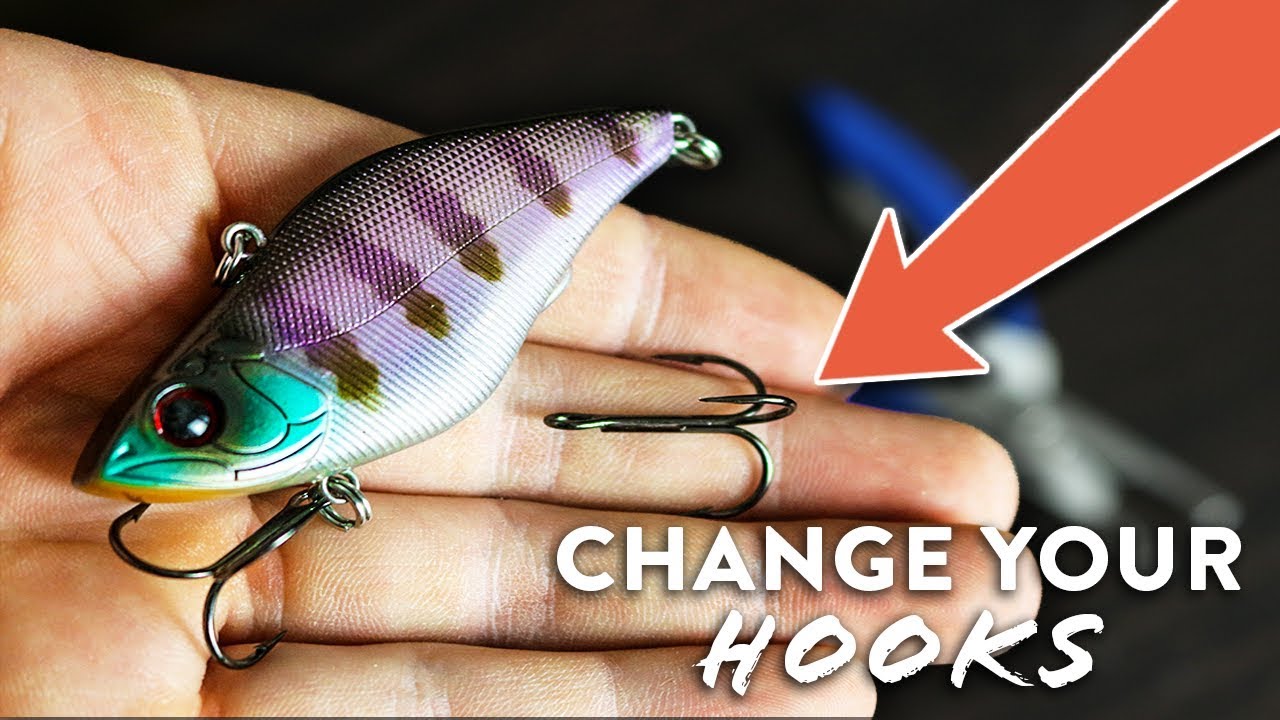
Replace hooks when they become dull, bent, or heavily damaged. Fresh hooks improve both lure action and fish retention.
- ✦ Look for rust
Rust weakens hooks and can change their shape.