Fishing line breaking at the reel how to troubleshoot is a common issue for anglers across the United States. A sudden snap can ruin a great day on the water, especially when you lose a strong fish because the problem started before the cast.
After years of handling spinning reels, baitcasters, and different fishing lines, I have found that most breaks near the reel are caused by small setup mistakes. The good news is that these problems are usually easy to find and fix with a simple inspection.
Common reasons fishing line breaks at the reel
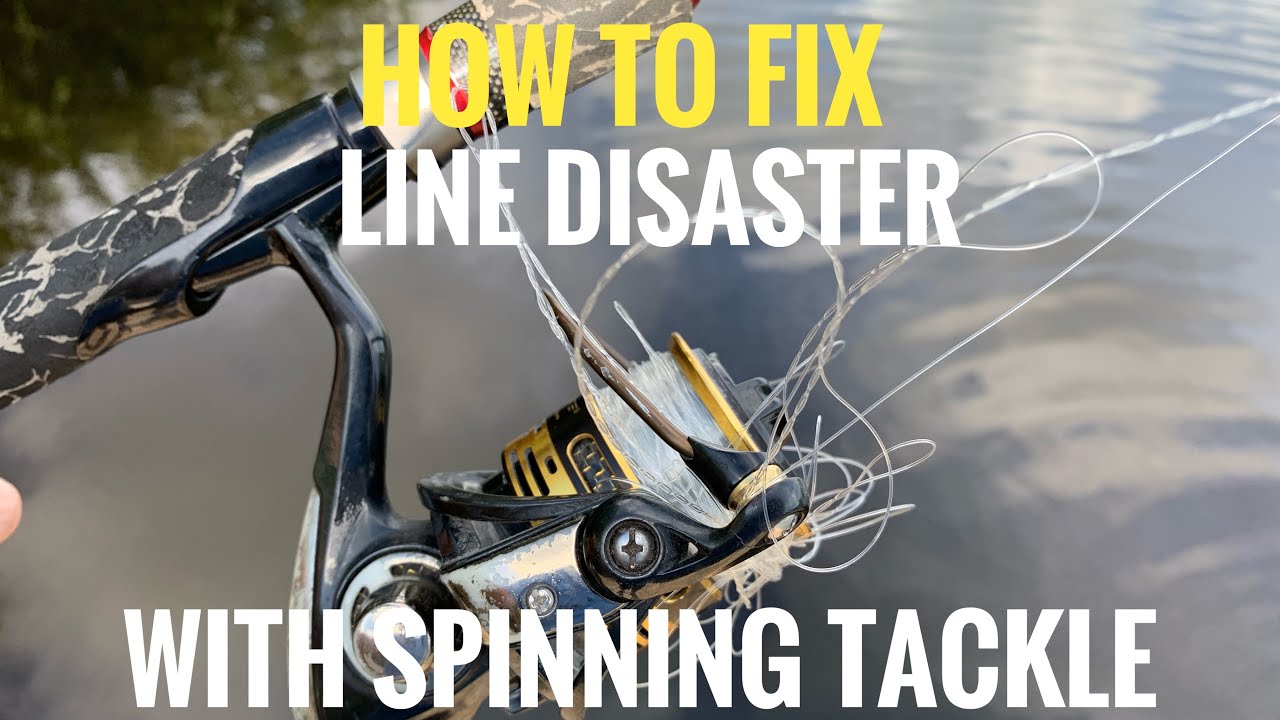
When learning fishing line breaking at the reel how to troubleshoot, start by finding the exact break point. If the line snaps close to the spool, the reel area is usually involved. The cause may be friction, pressure, poor line loading, or hidden damage.
Many anglers replace their line immediately, but that does not always solve the issue. A careful check of the reel parts can reveal the real problem.

- ✦ Damaged fishing line
Old monofilament, worn fluorocarbon, or damaged braid can lose strength and break under normal pressure.
- ✦ Sharp spool edges
A rough spool lip or damaged bail area can cut the line during casting or fighting fish.
- ✦ Wrong drag setting
A drag that is too tight forces the line to handle sudden pressure and increases break risk.
How to locate the exact breaking point
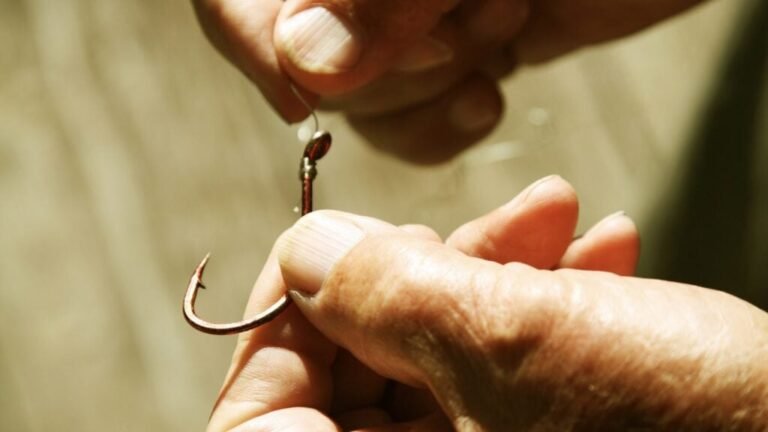
Pull several feet of line from the reel and inspect where it snapped. A rough, fuzzy area often shows abrasion, while a clean break may point to excessive tension or a weak knot.
- ✦ Feel the line
Run the line between your fingers to find rough spots, flat areas, or weak sections.
Check the reel drag and spool setup
A major step in fishing line breaking at the reel how to troubleshoot is testing the drag system. The drag controls how much pressure reaches the line when a fish pulls.
If the drag sticks or locks suddenly, the line receives a shock load. This can break even strong fishing line, especially when using light tackle.

- ✦ Test drag movement
Pull line from the reel slowly and check if the drag releases smoothly without sudden stops.
- ✦ Avoid overfilling the spool
Too much line creates extra friction and can cause poor line release during casts.
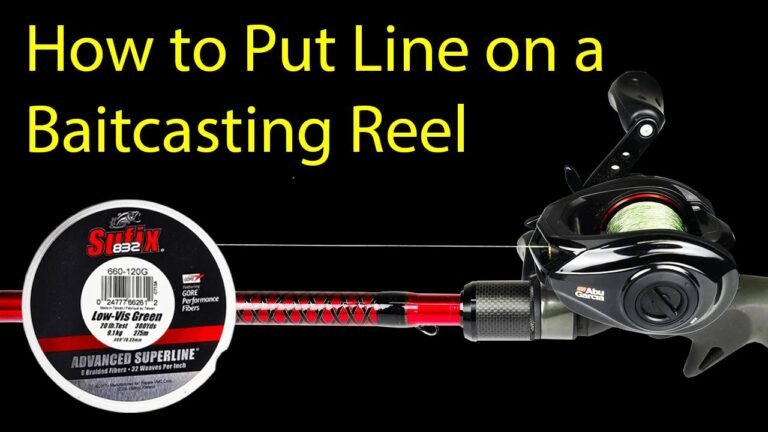
Correct spool loading technique
Line should sit evenly on the spool with steady tension. Loose wraps can dig into lower layers and create weak points during hard pulls.
- ✦ Use proper tension
Keep firm pressure while adding new line to create smooth and strong spool layers.
Inspect knots, line type, and connection points
Another important part of fishing line breaking at the reel how to troubleshoot is checking every connection. A weak knot can fail before the actual fishing line reaches its strength limit.
Different lines also react differently. Braided line needs secure knots and often works better with a leader, while fluorocarbon needs careful knot tying because it can weaken when damaged.

- ✦ Retie damaged knots
Replace knots that look loose, burned, or crushed after heavy use.
- ✦ Match line strength
Use line strength that fits your rod, reel, lure weight, and target fish.
Preventing future line breaks
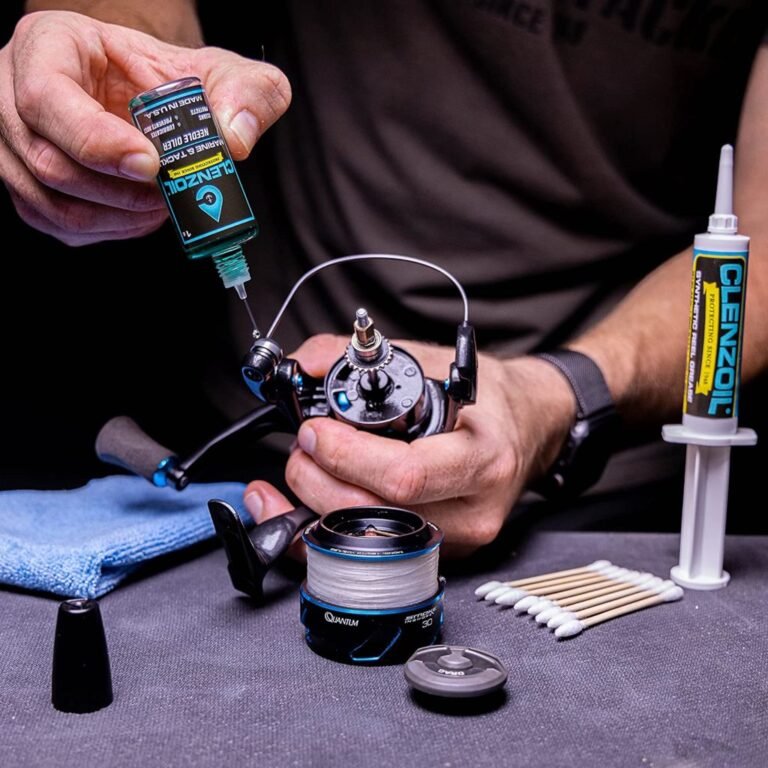
The best solution for fishing line breaking at the reel how to troubleshoot is prevention. Clean your reel, check your line often, and replace damaged sections before fishing trips.
- ✦ Regular maintenance
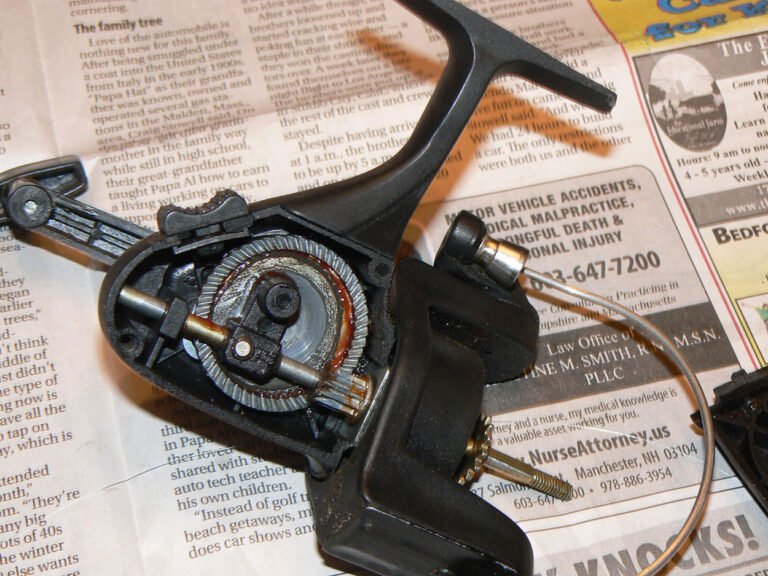
Rinse saltwater reels, remove dirt, and inspect moving parts after use.
A simple troubleshooting checklist before your next trip
Use this checklist when fishing line breaking at the reel how to troubleshoot becomes a repeated problem. A five-minute inspection before leaving home can save hours of frustration on the water.
- ✦ Inspect the spool lip
Look for chips, cracks, or sharp areas that may damage line.
- ✦ Check line age
Replace old line that has been exposed to heat, sunlight, or heavy use.
- ✦ Test the drag
Make sure the drag releases smoothly under pressure.