Fishing line twisting excessively on spinning reel how to fix is a common problem for anglers across the United States. It can ruin casts, create loops, and cause frustrating tangles when a fish strikes. The good news is that most line twist issues have simple causes and practical solutions.
After years of using spinning reels for freshwater and saltwater fishing, I have found that the biggest mistakes happen during spool loading. Small errors, like putting line on the wrong way or overfilling the spool, can create problems after only a few trips.
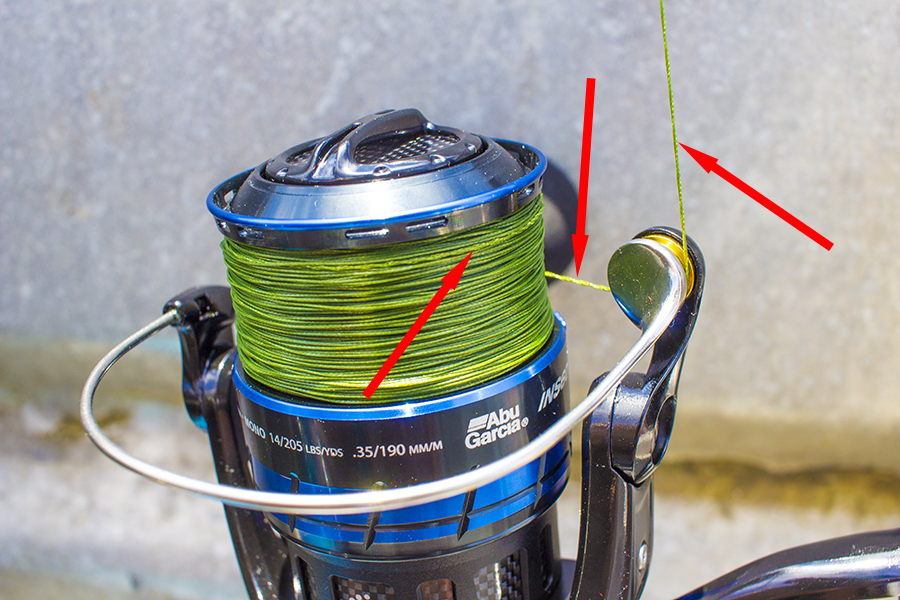
Why fishing line twists excessively on a spinning reel
Fishing line twisting excessively on spinning reel how to fix starts with finding the real cause. Spinning reels naturally rotate the spool during casting and retrieval, which can add twist if the setup is not balanced.
Line twist becomes worse when the line absorbs memory from storage, when anglers use damaged swivels, or when lures spin in the water. Understanding the cause helps you choose the right repair method.
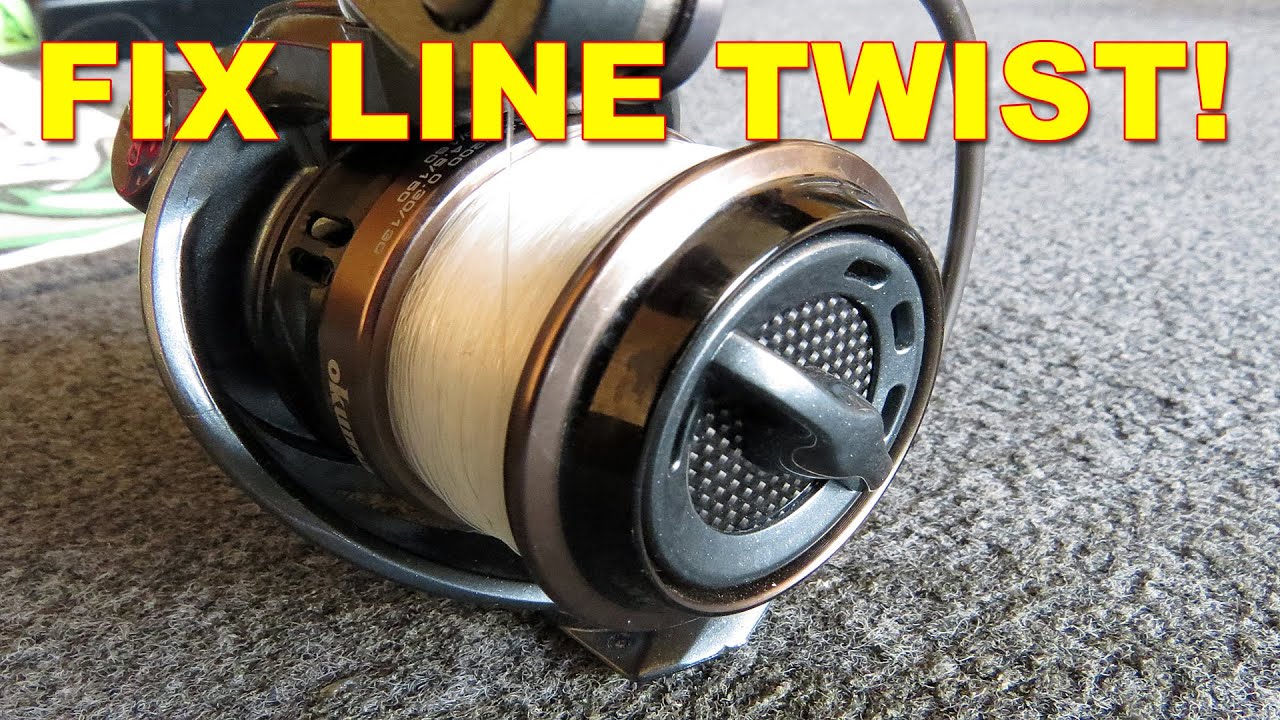
- ✦ Incorrect spooling direction
Loading line against its natural coil direction forces the line to twist every time you cast.
- ✦ Overfilled spool
Too much line creates loose loops that jump off the reel and increase tangles.
- ✦ Spinning lures
Spoons, inline spinners, and some soft plastics can rotate and add twist during use.
How line twist affects fishing performance
Twisted line reduces casting distance and creates weak spots. It also makes knots harder to tie and increases the chance of sudden breaks.
- ✦ Common signs
Look for curly line, wind knots, loops near the spool, and line that jumps off the reel.
How to remove severe fishing line twist from a spinning reel
The first step in fishing line twisting excessively on spinning reel how to fix is removing the stored twist. Do not simply pull harder on the line because this can damage the fibers.
A simple method is to remove your lure, let the line trail behind a slow-moving boat, or walk it across an open field. The loose line can naturally untwist before you reel it back.
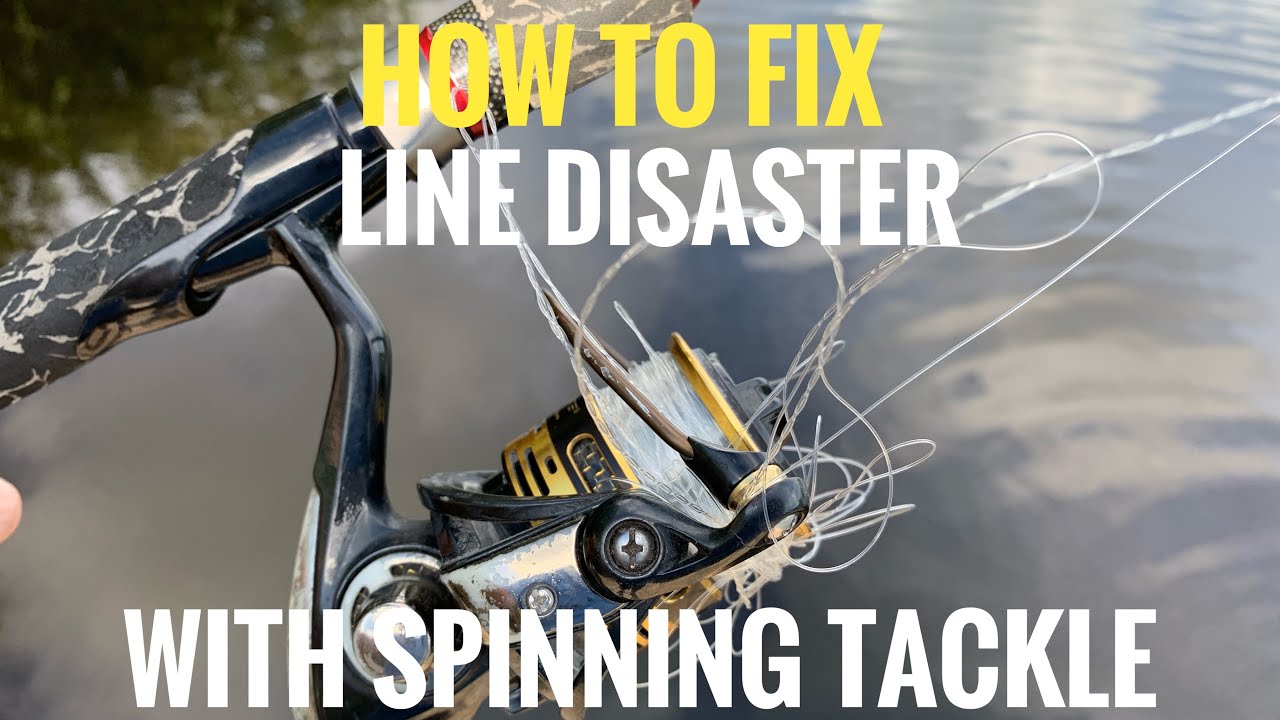
- ✦ Method one: Let the line unwind
Release the line without a lure and slowly retrieve it while keeping light tension.
- ✦ Method two: Replace damaged line
If the line has heavy memory or repeated twists, replacing it is often faster and safer.
How to spool a spinning reel correctly to prevent twisting
Correct spooling is one of the best answers to fishing line twisting excessively on spinning reel how to fix. The line should leave the filler spool in the same direction that it enters the reel spool.
Keep steady pressure while winding. Loose line creates gaps, while excessive pressure can damage some line types.

- ✦ Match the line type
Monofilament, fluorocarbon, and braided lines each behave differently and need proper handling.
- ✦ Leave the right amount of space
Fill the spool close to the edge but avoid filling beyond the lip.
Braided line and spinning reels
Braided line has low memory but can still twist if the reel setup or lure creates rotation. Using a quality leader and swivel when needed can reduce problems.
Reel problems that cause repeated line twisting
Sometimes fishing line twisting excessively on spinning reel how to fix requires checking the reel itself. A damaged bail roller, uneven spool movement, or poor maintenance can create constant problems.
Inspect your reel after every season, especially if you fish saltwater. Salt and dirt can affect small moving parts that guide the line.

- ✦ Check the bail roller
A stuck roller increases friction and forces the line to rotate.
- ✦ Clean the reel
Remove dirt and apply proper reel lubricant to moving parts.
Best ways to prevent fishing line twist in the future
Preventing problems is easier than fixing them. Fishing line twisting excessively on spinning reel how to fix becomes much simpler when anglers use good habits from the start.
Small changes, such as checking lure rotation and replacing old line, can make every fishing trip smoother.
- ✦ Use swivels when needed
A swivel helps reduce rotation from certain lures and rigs.
- ✦ Avoid unnecessary line stress
Do not reel against a strong drag because it can add unwanted twist.
- ✦ Replace old line
Old line develops memory and becomes more likely to form twists.