Fishing reel bearings becoming noisy how to fix is a common problem for anglers in the United States. A reel that once felt smooth may start making grinding, squeaking, or humming sounds after many trips. Saltwater use, sand, dust, and poor maintenance are common reasons behind this issue.
I have seen many reels regain their smooth feel after a careful bearing service. In most cases, the problem is not the entire reel. A simple cleaning and lubrication process can often solve the noise and improve casting performance.
Why fishing reel bearings become noisy over time
Fishing reel bearings are small parts that help the spool, handle, and other moving areas spin smoothly. When these bearings lose lubrication or collect debris, friction increases. This creates unwanted sounds during casting or retrieving.
The first step in fixing fishing reel bearings becoming noisy how to fix problems is finding the reason behind the noise. Different sounds often point to different problems, from dry bearings to serious internal damage.
- ✦ Salt and water exposure
Saltwater can cause corrosion inside bearings if the reel is not rinsed and dried after use.
- ✦ Old or missing lubricant
Bearings need thin reel oil to reduce friction and keep parts moving freely.
- ✦ Dirt and sand buildup
Small particles can enter the bearing and create rough movement and noise.
Common sounds that indicate bearing problems
A high-pitched squeal often means the bearing is dry. A grinding sound usually suggests dirt, rust, or damaged bearing surfaces. A rough feeling while turning the handle can mean the bearing needs deeper service or replacement.
- ✦ Squeaking sound
Usually caused by a lack of oil or dry bearing surfaces.
- ✦ Grinding noise
Often linked to contamination or worn internal parts.
How to diagnose noisy fishing reel bearings before repair
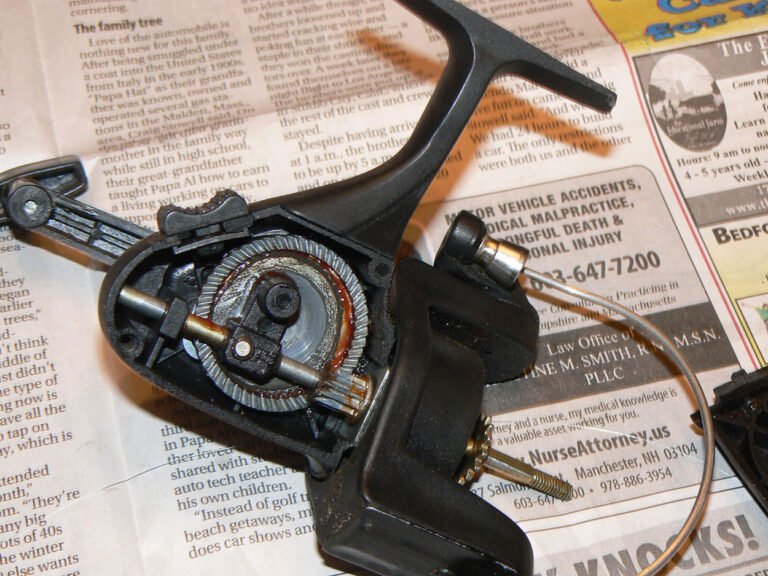
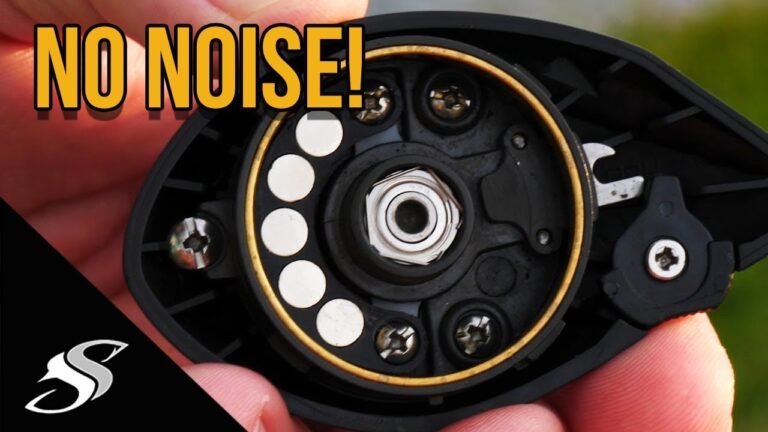
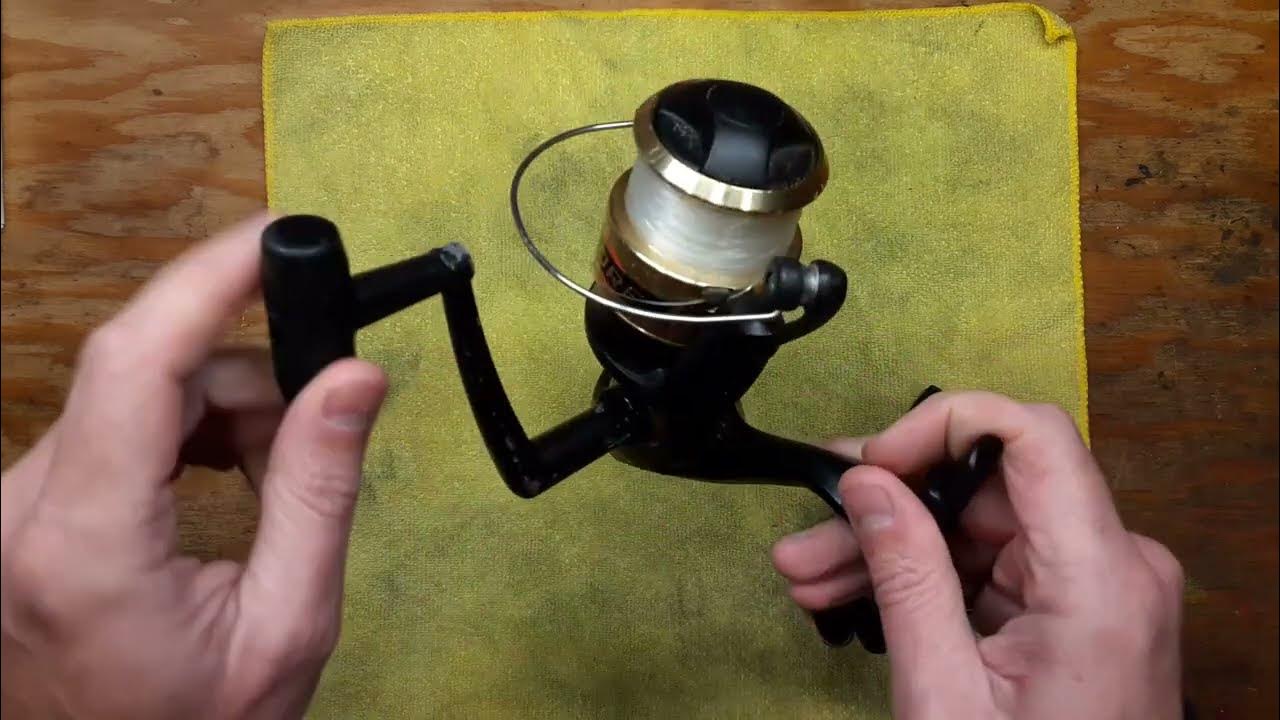
Before taking apart your reel, identify where the noise comes from. Spin the spool by hand and slowly turn the handle. This helps you locate whether the issue is inside the spool bearings, handle bearings, or another moving part.
A careful inspection prevents unnecessary repairs. Many anglers replace bearings when the real issue is old grease, loose parts, or a dirty reel.

- ✦ Test spool movement
Remove the line pressure and check if the spool spins smoothly without unusual sounds.
- ✦ Check for side movement
Excess movement can show that a bearing or related part may be worn.
- ✦ Listen during different actions
Compare casting, retrieving, and free spinning sounds to locate the problem area.
Tools needed for a basic bearing inspection
Most anglers can inspect reel bearings with basic tools. A small screwdriver set, reel oil, cleaning fluid, and a soft cloth are usually enough for simple maintenance.
- ✦ Precision screwdriver
Helps remove reel covers and access bearing areas safely.
Step-by-step process for fishing reel bearings becoming noisy how to fix
The most effective method for fishing reel bearings becoming noisy how to fix starts with cleaning. Remove old oil, dirt, and salt residue before adding fresh lubricant.
Do not use heavy grease inside high-speed spool bearings. Most reel bearings work best with a light fishing reel oil that allows quick movement.

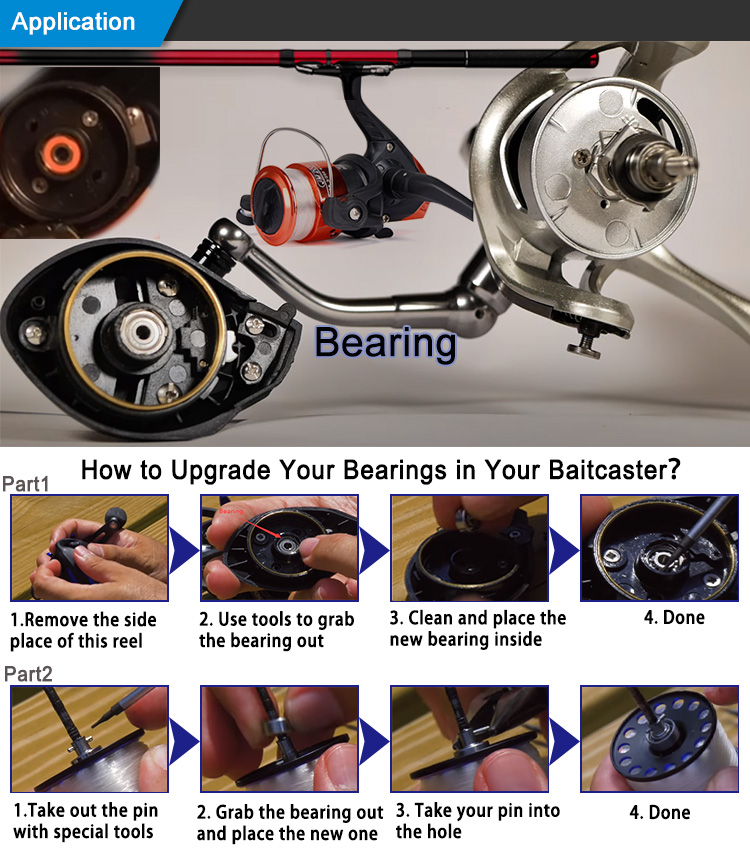
- ✦ Step 1: Remove the bearing carefully
Open the reel according to the manufacturer instructions and avoid losing small parts.
- ✦ Step 2: Clean the bearing
Use a suitable cleaner to remove old lubricant and debris.
- ✦ Step 3: Dry completely
Make sure the bearing has no leftover cleaner before adding oil.
- ✦ Step 4: Add reel oil
Apply a small amount of quality oil and spin the bearing to spread it evenly.
When cleaning does not solve the noise
If the bearing still sounds rough after cleaning, the internal surfaces may be damaged. A worn bearing usually feels gritty and does not spin freely even after lubrication.
- ✦ Replace damaged bearings
New bearings can restore smooth operation when old ones have corrosion or wear.
Choosing the right replacement bearings for your fishing reel
If cleaning does not fix fishing reel bearings becoming noisy how to fix issues, replacement may be the best option. Not every bearing fits every reel, so size and design matter.
Many anglers choose stainless steel bearings for durability and ceramic hybrid bearings for smoother high-speed performance. The right choice depends on fishing style, budget, and reel type.

- ✦ Stainless steel bearings
A reliable choice for regular freshwater and saltwater fishing when maintained properly.
- ✦ Ceramic hybrid bearings
Can provide smoother spinning and faster spool movement for some applications.
How to prevent fishing reel bearings from becoming noisy again
Regular care is the easiest way to avoid future bearing problems. A reel used in American coastal areas needs more attention because salt exposure can quickly affect metal parts.
A few minutes of maintenance after each trip can extend bearing life and keep your reel performing smoothly.

- ✦ Rinse after saltwater fishing
Use fresh water to remove salt residue without forcing water deep into the reel.
- ✦ Store the reel properly
Keep reels dry and protected from humidity when not in use.
- ✦ Service regularly
Inspect bearings and lubrication levels before major fishing seasons.