When anglers search for fishing rod making unusual noises how to troubleshoot, they usually notice sounds like clicking, cracking, squeaking, rubbing, or popping during use. These noises can appear while casting, retrieving line, bending the rod, or fighting a fish.
After years of handling fishing equipment, one lesson becomes clear: small sounds should not be ignored. A loose guide ring or dirty connection may seem harmless, but it can become a bigger problem if the rod keeps taking stress. This guide explains fishing rod making unusual noises how to troubleshoot with practical steps for anglers in the United States.

Common Reasons a Fishing Rod Makes Strange Sounds
The first step in fishing rod making unusual noises how to troubleshoot is finding when the sound happens. A noise during casting points to different issues than a noise while the rod bends under pressure.
Most rod noises come from movement between parts. Loose guides, worn reel seats, dirty ferrules, and damaged handles are common causes that can affect performance.

- ✦ Loose rod guides
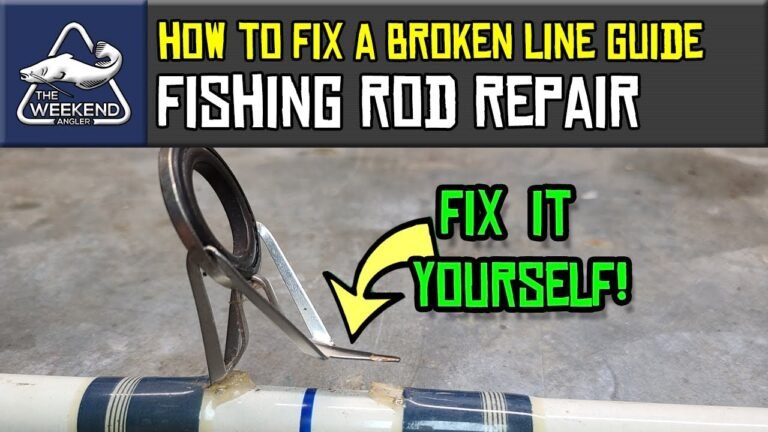
A guide that has loosened from the blank can create clicking or rattling sounds when the line moves.
- ✦ Dirty connections
Dust, sand, and moisture inside rod joints can create squeaking or grinding noises.
- ✦ Reel seat problems
A loose reel seat can move slightly and create cracking or clicking sounds.
Listen Carefully Before Repairing
Move the rod slowly by hand and listen closely. Try to locate whether the sound comes from the tip, middle section, handle, or reel area.
Avoid bending the rod aggressively during testing because a small crack may become worse under heavy pressure.
How to Troubleshoot a Noisy Fishing Rod Step by Step
A simple inspection routine makes fishing rod making unusual noises how to troubleshoot much easier. Start with the easiest checks before taking apart any components.
Clean the rod, remove the reel, and inspect each section under bright light. Many problems are caused by small issues that are easy to correct.

- ✦ Step 1: Check the rod guides
Run a cotton swab around guide rings to find cracks or rough edges that may create noise.
- ✦ Step 2: Inspect rod joints
Look for loose ferrules, gaps, or dirt between connected sections.
- ✦ Step 3: Test the handle
Hold the handle firmly and check for movement that may indicate a loose internal part.
Checking for Hidden Cracks
Carbon fiber and graphite rods can develop small cracks that are difficult to see. Look for unusual marks, soft spots, or changes in how the rod bends.
If a crack appears near a high-stress area, stop using the rod until it is repaired or inspected.
Fixing Common Sources of Fishing Rod Noise
Once you identify the cause, fixing fishing rod making unusual noises how to troubleshoot problems becomes more direct. Some repairs need only basic cleaning, while others require replacement parts.
Always match repairs with the rod material and design. A high-end graphite rod may need more careful handling than a basic fiberglass model.
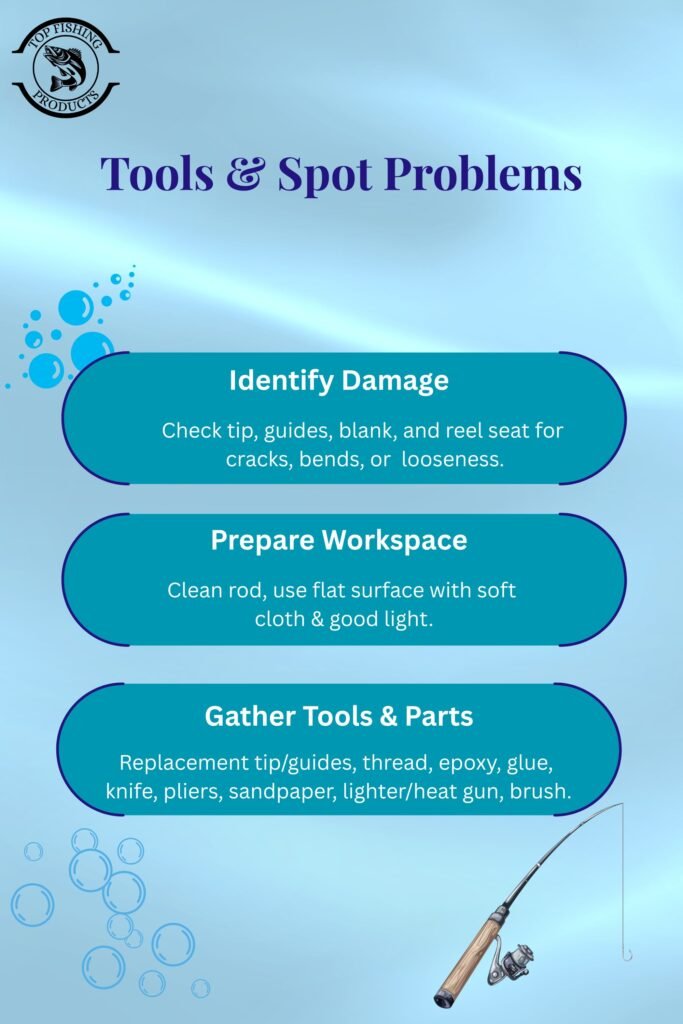
- ✦ Guide repair
Replace damaged guide inserts or secure loose guide wraps with proper rod repair materials.
- ✦ Joint cleaning
Clean rod sections with a soft cloth and remove debris before reconnecting.
- ✦ Reel seat tightening
Check the locking rings and tighten them carefully without forcing the threads.
When Professional Repair Is Better
Some noises indicate deeper damage. A professional rod builder can check structural problems and make accurate repairs.
Trying to repair a major blank crack at home may reduce rod strength and create safety risks.
How Reel and Line Problems Create Rod Sounds
Sometimes fishing rod making unusual noises how to troubleshoot leads anglers to the wrong part. The rod may be fine, while the reel or line creates the sound.
A noisy reel can transfer vibrations through the rod. Check the spool, drag system, handle, and line roller before replacing the rod.

- ✦ Dry reel bearings
Worn or dry bearings can create clicking and grinding sounds during retrieval.
- ✦ Line friction
Damaged line or rough guides can create unusual rubbing sounds.
Preventing Future Fishing Rod Noise Problems
Preventive care is the easiest way to avoid repeated fishing rod making unusual noises how to troubleshoot situations. A few minutes of maintenance after each trip can protect your equipment.
Saltwater anglers in coastal areas should pay extra attention because salt and moisture can speed up corrosion and wear.

- ✦ Clean after fishing
Rinse saltwater rods with fresh water and dry them before storage.
- ✦ Store correctly
Keep rods away from extreme heat, pressure, and crowded storage spaces.
- ✦ Inspect often
Check guides, joints, and handles before every major fishing trip.
Frequently Asked Questions about fishing rod making unusual noises how to troubleshoot

fishingscouty
Contributor