Many anglers in the United States use berley, also called chum in some regions, to improve their chances of attracting fish. The basic idea is simple: create a trail of smell and tiny food pieces that moves through the water and catches a fish’s attention.
Understanding how does berley work helps anglers use it with more control. Instead of randomly throwing food into the water, skilled fishermen use current, depth, timing, and fish habits to build an effective feeding zone.

What Is Berley and Why Do Anglers Use It?
Berley is a mixture of fish scraps, ground bait, oils, or other natural materials released into the water to attract fish. In many parts of the world, anglers use the term berley, while American fishermen often use the word chum.
To understand how does berley work, think of it as a fishing signal. Fish detect smells and tiny particles in the water, then follow the trail to investigate a possible food source.
- ✦ Creates attraction
Berley spreads scent and particles that encourage nearby fish to move toward the area.
- ✦ Improves feeding activity
A good berley trail can make fish search, circle, and feed around your fishing spot.
Berley vs Chum
Berley and chum describe a similar fishing method. The main difference is regional language. The goal is the same: bring fish closer by creating a feeding trail.
- ✦ Same purpose
Both methods use scent and food particles to attract fish.
How Does Berley Work Underwater?
The answer to how does berley work starts with fish senses. Many fish have a strong sense of smell and can detect tiny traces of food carried by water currents.
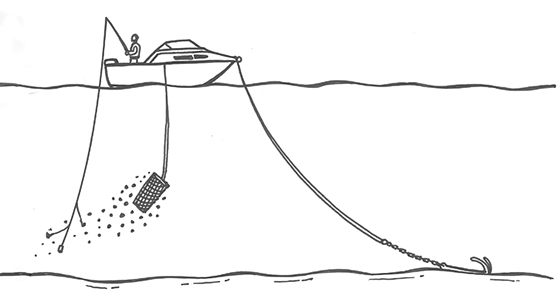
When berley enters the water, oils and particles spread away from the release point. The current carries this scent trail, allowing fish to follow it back toward the source.
Experienced anglers often watch water movement before using berley because the current controls where the trail travels.

- ✦ Scent movement
Natural oils and smells travel through the water and help fish locate feeding opportunities.
- ✦ Particle movement
Small food pieces encourage fish to investigate and stay near the area.
The Role of Water Current
Current is one of the most important factors in berley fishing. A strong current may spread the trail too quickly, while very calm water may limit movement.
- ✦ Read the water
Place berley where the current can carry the scent toward areas where fish are likely to travel.
How Fish Respond to a Berley Trail
Fish do not usually rush directly to berley. They often investigate the scent first, then move closer as they find food particles in the water.
Knowing how does berley work also means understanding fish behavior. Different species react differently depending on their feeding habits, environment, and level of competition.
- ✦ Curiosity response
Fish may move closer when they detect a new food smell in their environment.
- ✦ Feeding response
Once fish find small food pieces, they may remain nearby and become easier to target.
Types of Berley and How They Affect Results
Different berley mixtures work better in different fishing conditions. Some anglers use fish-based mixes, while others add oils or ground ingredients to create a stronger scent trail.
The best choice depends on the target species, location, and water conditions.

- ✦ Fish-based berley
Uses fish scraps and oils to create a strong natural attraction.
- ✦ Commercial berley mixes
Ready-made options provide convenience and consistent results.
- ✦ Homemade blends
Many anglers create custom mixes using available local ingredients.
Choosing the Right Berley for Your Target Fish
Match your berley to the species you want to catch. Predatory fish may respond well to oily fish scents, while other species may prefer smaller food particles.
How to Use Berley Effectively While Fishing
Learning how does berley work is only useful when you apply the method correctly. Good berley fishing requires patience, control, and observation.
A common mistake is releasing too much berley too quickly. This can feed fish without encouraging them to take your hook bait.

- ✦ Start slowly
Release small amounts first and watch how fish respond.
- ✦ Match your bait
Use hook bait that fits the scent and food source created by your berley.
- ✦ Adjust with conditions
Change your approach based on current, wind, depth, and fish activity.
Common Berley Fishing Mistakes to Avoid
Even when anglers understand how does berley work, mistakes can reduce success. The goal is to attract fish without creating an easy meal that removes interest in your bait.
Careful use creates a feeding area where fish search naturally and still notice your hook.
- ✦ Using too much berley
Large amounts may satisfy fish before they reach your bait.
- ✦ Ignoring current direction
A poor release location can send the scent away from productive fishing areas.
- ✦ Choosing the wrong mixture
Some berley types may not match the feeding habits of local fish.
Frequently Asked Questions about how does berley work

fishingscouty
Contributor