Understanding how fish detect bait scent helps anglers make smarter choices on the water. Fish do not smell the same way humans do. Instead of breathing air through a nose, they use special scent organs that read chemical signals moving through the water.
From striped bass in tidal rivers to catfish in muddy lakes, many fish rely on scent to locate food. In my experience studying fishing behavior, scent becomes especially important when visibility is poor, water is deep, or fish are searching slowly along the bottom.
The Science Behind How Fish Detect Bait Scent
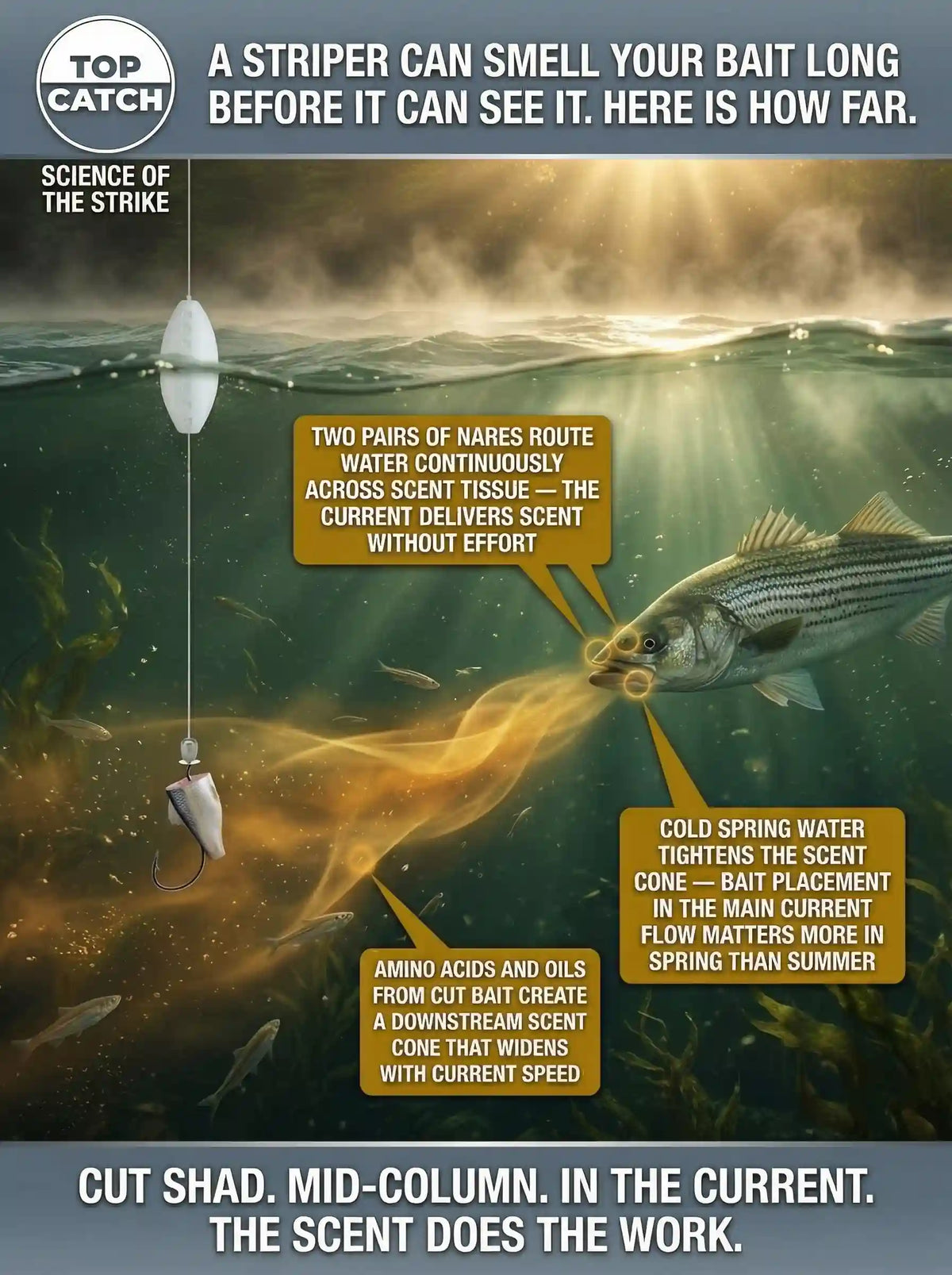
Fish detect bait scent by using their olfactory system, which includes nostril-like openings called nares. Water flows through these openings and carries chemical particles to sensory cells that identify possible food sources.
Unlike humans, fish do not use scent only for finding food. They also use chemical signals to avoid danger, find mates, and understand their surroundings. This makes scent one of their most important survival tools.

- ✦ Chemical detection
Fish sense tiny amounts of chemicals released by bait, injured prey, and natural food sources.
- ✦ Water-based smell system
Fish smell dissolved substances carried through water instead of airborne smells like humans experience.
- ✦ Highly sensitive receptors
Many species can detect very small changes in chemical signals around them.
How Fish Nostrils Work Underwater
A fish’s nostrils do not connect to its throat or lungs. They work only as scent detectors. Small channels move water over sensory tissues where chemical information is processed by the brain.
This system allows fish to compare different scent signals and follow stronger trails back to food. It is one reason fresh bait often performs better than old bait with weak natural odors.
How Scent Travels Through Water to Reach Fish
When bait enters water, it releases chemicals that create a scent trail. Currents spread this trail and allow fish to locate the direction where the smell becomes stronger.
The strength and shape of a scent trail depend on many factors. Moving water can carry scent farther, while calm water may keep the signal closer to the bait.
- ✦ Water current
Current helps move scent particles and creates a path that fish can follow toward bait.
- ✦ Water temperature
Temperature changes can affect chemical movement and fish activity levels.
- ✦ Bait condition
Fresh bait usually releases stronger natural compounds than dried or damaged bait.
Why Fish Often Move Against the Current
Many fish move into current because it helps them track where a scent comes from. By swimming toward stronger chemical signals, they can locate food sources more efficiently.
This behavior explains why many anglers place bait where fish naturally travel and allow scent to move through feeding areas.
Why Some Fish Rely More on Scent Than Sight
Not every fishing situation gives fish a clear view of bait. Murky water, nighttime conditions, and deep areas reduce visibility, making scent a powerful advantage.
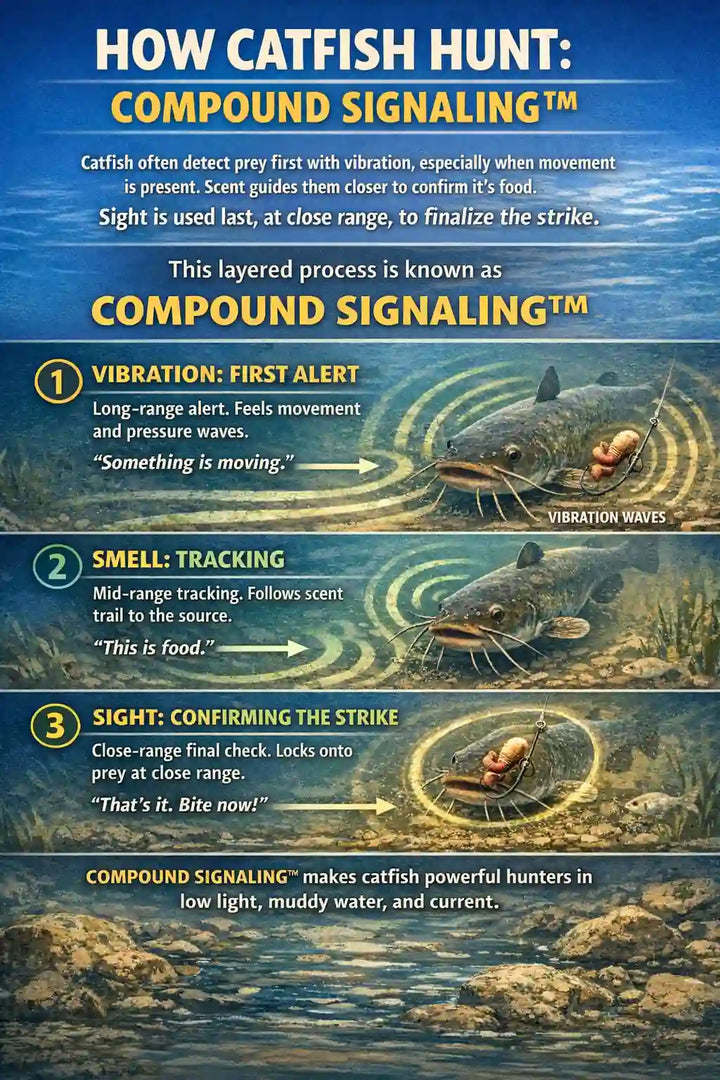
Species such as catfish, carp, and some saltwater fish often depend heavily on smell because they spend much of their time searching near the bottom.
- ✦ Catfish
Catfish have an excellent sense of smell and use chemical signals to locate food in low-visibility water.
- ✦ Carp
Carp use smell and taste receptors to inspect potential food before feeding.
- ✦ Bass
Bass combine scent with sight and movement when deciding whether to strike.
How Bait Scent Influences Fish Feeding Behavior
Bait scent can trigger curiosity, feeding responses, and investigation. When fish detect familiar food chemicals, they may move closer and inspect the source.
However, scent alone does not guarantee a strike. Fish also consider movement, size, shape, and whether the bait looks natural.

- ✦ Natural food signals
Fish respond strongly to scents connected with prey they commonly eat.
- ✦ Reduced suspicion
Natural scents may help bait appear more familiar in pressured fishing areas.
- ✦ Combination of senses
Successful fish strikes often happen when scent works together with movement and appearance.
Do Artificial Fish Scents Work?
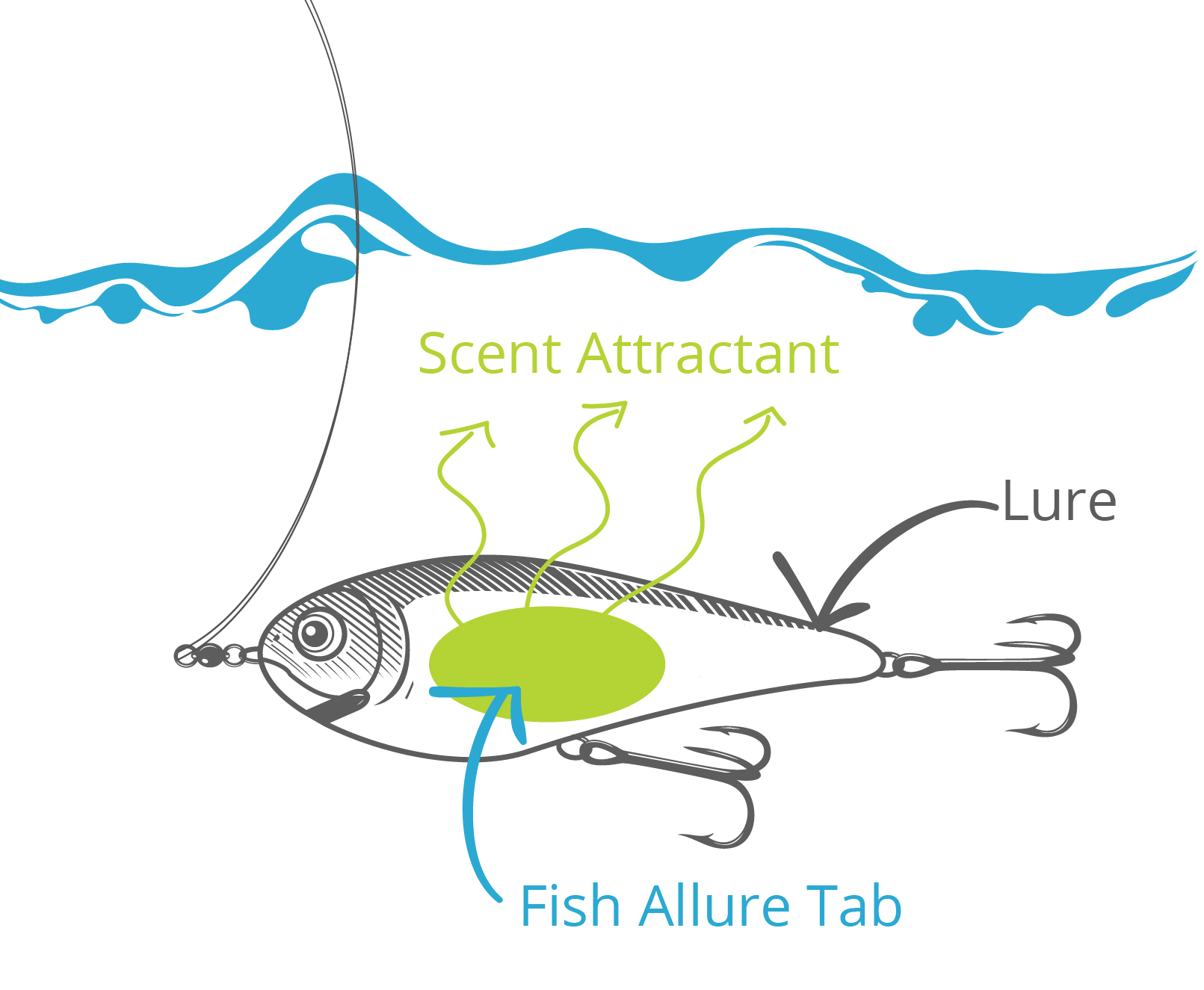
Artificial scents can help add attraction, especially when natural bait has little odor. Many anglers use them on soft plastics, lures, and prepared baits.
The results depend on fish species, conditions, and presentation. A scent product works best when it supports a realistic bait presentation.
How Anglers Can Use Scent Detection to Improve Results
Knowing how fish detect bait scent allows anglers to make better decisions about bait preparation and placement. Small details can improve how naturally a bait interacts with the water.
In U.S. fishing environments, where anglers target everything from bass in freshwater lakes to striped bass along coastal areas, understanding scent behavior can provide an extra advantage.
.jpg?auto=format&w=1440&q=80 "UNDERSTANDING A FISH’S SENSE OF SMELL Angling Times")
- ✦ Use fresh bait
Fresh bait usually releases stronger natural compounds that attract feeding fish.
- ✦ Avoid unnatural odors
Strong human smells from sunscreen, fuel, or chemicals may reduce bait appeal.
- ✦ Match local prey
Choose scents that resemble foods fish already encounter in their habitat.
Frequently Asked Questions about how fish detect bait scent

fishingscouty
Contributor