Learning how to use natural bait in ponds starts with understanding what fish naturally eat. Most pond fish, including bass, bluegill, catfish, and crappie, respond well to live or natural food because it creates familiar smells and movements.
After years of observing freshwater fishing methods, one thing becomes clear: simple bait choices often outperform complicated setups. A healthy worm, small insect, or live minnow placed in the right spot can attract fish that ignore artificial lures.
For anglers in the United States, pond fishing offers an easy way to enjoy freshwater fishing close to home. Small farm ponds, neighborhood ponds, and private lakes often hold hungry fish that can be caught with basic natural bait techniques.

Why Natural Bait Works So Well in Pond Fishing
Natural bait works because pond fish spend their lives searching for real food sources. Worms, insects, small fish, and other organisms are already part of their environment, so fish often recognize them quickly.
When you understand how to use natural bait in ponds, you can make better decisions about bait choice, location, and timing. The goal is not only to place bait in water but to make it look like an easy meal.

- ✦ Natural smell
Many fish use scent to find food. Natural bait releases odors that can attract fish from nearby areas.
- ✦ Real movement
Live bait creates small movements that imitate natural prey and can trigger feeding behavior.
- ✦ Wide species appeal
Different pond fish species respond to different natural foods, making bait selection flexible.
Understanding Pond Fish Feeding Habits
Fish behavior changes throughout the year. In spring, many fish feed aggressively after colder months. During summer, they may move deeper or seek shade during hot days.
Watching the pond before fishing helps you identify where fish feed. Look for insects near the surface, small baitfish movement, or areas with plants and cover.
- ✦ Observe before casting
Spend a few minutes watching the water to find active fish areas.
Best Types of Natural Bait for Pond Fishing
Choosing the right natural bait is one of the most important parts of learning how to use natural bait in ponds. The best option depends on the fish you want to catch and what naturally lives around the pond.
Common natural baits are easy to find and work for many freshwater species. Beginners often start with worms because they are affordable, simple to use, and effective.

- ✦ Earthworms
Worms are one of the most popular pond baits. They work well for bass, bluegill, perch, and catfish.
- ✦ Minnows
Small live fish can attract larger predators such as bass and crappie.
- ✦ Insects
Grasshoppers, crickets, and other insects can be excellent choices for panfish and surface feeding fish.
- ✦ Cut bait
Pieces of fish can release strong scents that attract catfish and other species.
Matching Bait With Target Fish
Different fish prefer different meals. Bluegill often take insects and worms, while bass may prefer minnows or larger prey.
Knowing your target species helps you avoid wasting time with bait that does not match the fish’s natural diet.
- ✦ Bass
Try live minnows, frogs, or larger worms near cover.
- ✦ Catfish
Use strong-smelling baits such as cut fish or worms.
How to Prepare and Handle Natural Bait
Proper bait care can make a major difference. Weak or unhealthy bait often moves less and looks less natural to fish.
When learning how to use natural bait in ponds, focus on keeping bait fresh, active, and properly stored before fishing.

- ✦ Keep live bait healthy
Store worms in cool soil and keep minnows in clean, oxygenated water.
- ✦ Use the right bait size
Match bait size to the fish you want to catch.
- ✦ Avoid overhandling
Too much handling can damage delicate bait and reduce natural movement.
Hooking Natural Bait Correctly
The way you attach bait affects how naturally it moves. A worm should usually remain flexible, while minnows should stay alive as long as possible.
Avoid covering the entire hook with bait because fish may steal the food without getting hooked.
- ✦ Leave movement
Allow part of the bait to move freely to attract attention.
Where to Place Natural Bait in a Pond
Even the best bait will fail if it is placed where fish do not feed. Pond fish usually gather near food sources, cover, and comfortable water conditions.
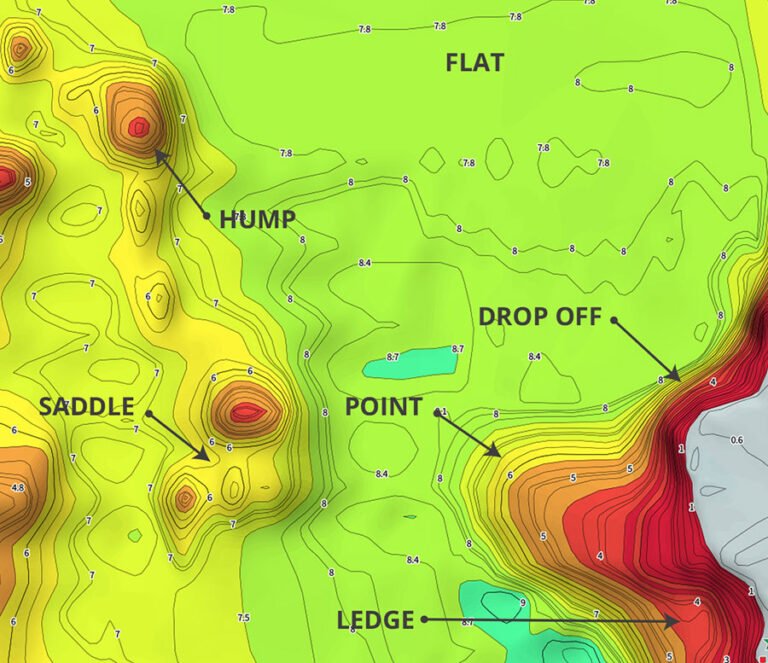
Successful anglers study the pond structure before choosing a fishing spot. Small changes in depth, vegetation, and shade can make a big difference.

- ✦ Near vegetation
Plants attract insects and small creatures that fish feed on.
- ✦ Around structure
Logs, rocks, and docks provide hiding places for fish.
- ✦ Different depths
Test shallow and deeper areas because fish move based on weather and season.
Using Natural Bait During Different Seasons
Spring and fall often provide excellent fishing because many species feed actively. Summer fishing may require early morning or evening trips.
Winter pond fishing can be slower, so smaller bait and slower presentations often work better.
- ✦ Spring strategy
Use active bait near shallow areas where fish search for food.
Common Mistakes When Using Natural Bait in Ponds
Many beginners focus only on bait choice and ignore presentation. The right bait in the wrong location often produces poor results.
Avoiding common mistakes will help you understand how to use natural bait in ponds more effectively.
- ✦ Using stale bait
Old bait loses natural appeal and may not attract fish.
- ✦ Fishing without observing
Ignoring fish activity can lead to poor location choices.
- ✦ Wrong hook size
Large hooks can look unnatural for small bait.
Improving Your Pond Fishing Results
Keep notes about successful bait choices, weather conditions, and fishing locations. Small details can help you improve over time.
Experienced anglers often succeed because they learn from each trip and adjust their approach.
- ✦ Track patterns
Record what works in your favorite ponds.
Frequently Asked Questions about how to use natural bait in ponds

fishingscouty
Contributor