Learning how to rig soft plastic lures is one of the most useful skills for freshwater and saltwater anglers in the United States. Soft plastics are popular because they look natural, work in many conditions, and can imitate worms, baitfish, crawfish, and other prey.
After years of watching anglers test different setups, one lesson stands out: small rigging changes create big differences. A straight hook point, balanced weight, and natural lure movement often decide whether fish strike or ignore your bait.

understanding the basics of soft plastic lure rigging
Before learning how to rig soft plastic lures, understand the main parts of a rig. A basic setup includes the soft plastic bait, hook, fishing line, and sometimes a weight. Each part changes how the lure falls, moves, and reaches fish.
The goal is simple: make the lure look alive. A good rig allows the bait to move freely while keeping the hook ready for a solid connection when a fish bites.
- ✦ Hook selection
Use hooks that match the lure size and fishing method. Offset hooks work well for Texas rigs, while jig heads are great for open water.
- ✦ Weight choice
Choose lighter weights in shallow water and heavier weights when fishing deep areas, current, or windy conditions.
- ✦ Lure alignment
Keep the plastic straight on the hook. A crooked bait will spin and lose natural movement.
Why rigging technique matters
A poorly rigged soft plastic can twist your line, move unnaturally, or get fewer bites. Correct rigging helps the lure imitate real prey and improves confidence while fishing.
How to rig a Texas rig soft plastic lure
The Texas rig is one of the most popular answers when anglers ask how to rig soft plastic lures. It works well for bass fishing because the hook point stays protected, making it useful around weeds, rocks, and cover.
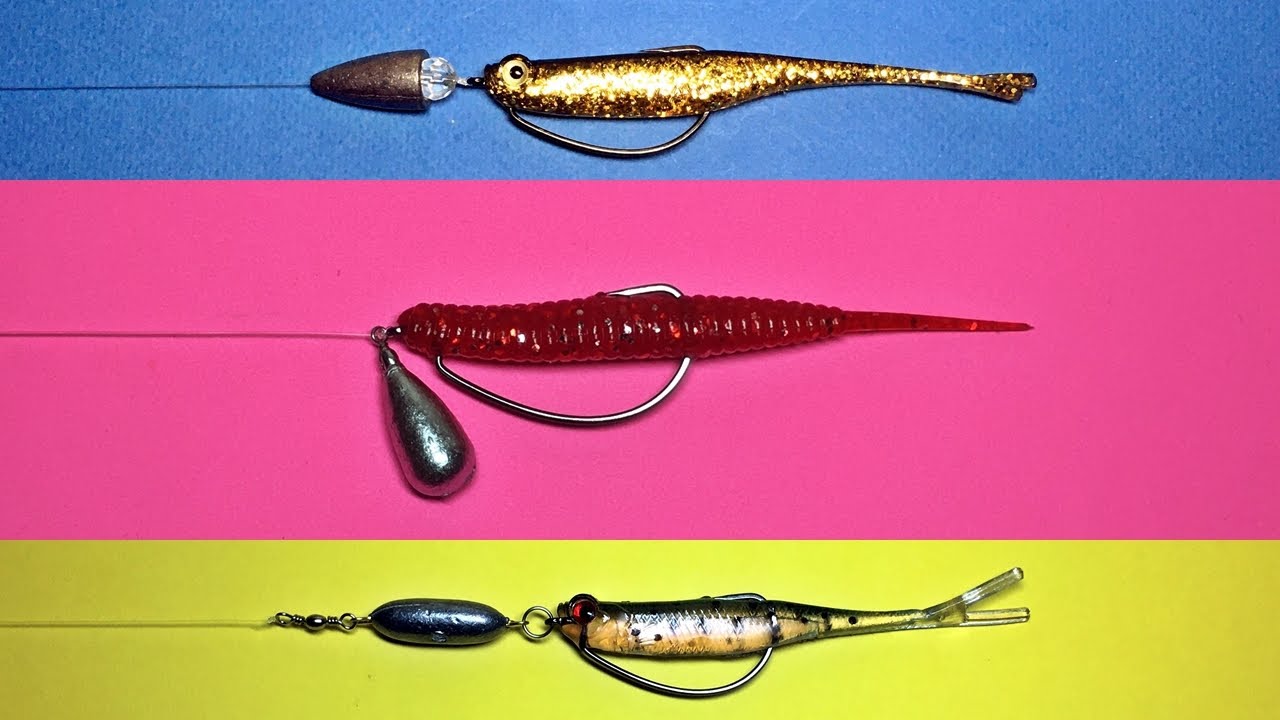
To create a Texas rig, slide a bullet weight onto your line, tie on an offset worm hook, and insert the hook point into the nose of the lure. Push the hook through the body, rotate it, and bury the hook point slightly back into the plastic.

- ✦ Best uses
Texas rigs are effective for worms, craws, creature baits, and soft jerkbaits around heavy cover.
- ✦ Common mistake
Avoid placing the hook too deep because it can reduce hook penetration during a strike.
Texas rig setup steps
Start with a hook that fits the lure size. Add a suitable weight, connect your line, and check that the bait hangs straight. Test the lure in shallow water before making long casts.
How to rig soft plastic lures with a jig head
A jig head rig is a simple and effective way to rig soft plastic lures. It combines a weighted head with a hook, allowing the bait to sink and move naturally near the bottom.
This setup is common for bass, crappie, walleye, and many saltwater species. It works especially well when fish are feeding close to structure or the bottom.
- ✦ Choose the right jig head
Match the jig weight to water depth and current speed. A lighter jig creates slower movement, while heavier jigs reach deeper water.
- ✦ Keep the bait straight
Thread the plastic evenly onto the jig hook so it tracks correctly during retrieves.
How to rig soft plastic lures for weedless fishing
Weedless rigging lets anglers fish areas where traditional hooks often snag. This method is useful in lakes, rivers, marshes, and shallow coastal areas.
When learning how to rig soft plastic lures for weeds, focus on hiding the hook point while keeping enough space for the hook to move during a bite.

- ✦ Use offset hooks
Offset hooks help keep the hook point protected inside the plastic body.
- ✦ Fish around cover
Weedless rigs work well near grass, fallen trees, docks, and brush piles where fish hide.
Popular soft plastic rigs every angler should know
There are several ways to rig soft plastic lures depending on depth, target species, and water conditions. Experienced anglers often carry multiple rigs because fish behavior changes throughout the day.
Knowing how to rig soft plastic lures with different methods gives you more options when one presentation stops producing.

- ✦ Drop shot rig
A drop shot keeps the lure above the weight and works well for deep water and pressured fish.
- ✦ Carolina rig
A Carolina rig allows the lure to move above the bottom while the weight stays separated.
- ✦ Neko rig
A Neko rig adds weight into the bait body and creates a unique falling action.
Matching rigs to fishing conditions
Use Texas rigs in cover, jig heads in open water, and drop shots when fish stay deep. The best rig depends on where fish are located and how they are feeding.
Common mistakes when rigging soft plastic lures
Many beginners focus only on lure color and forget that rigging controls movement. Even the best soft plastic will fail if it sits incorrectly on the hook.
Small adjustments can improve your results. Check your lure after every few casts and fix problems before changing bait styles.

- ✦ Using the wrong hook size
A hook that is too large can limit movement, while a hook that is too small may not hold fish securely.
- ✦ Ignoring lure damage
Replace torn plastics because damaged baits often move poorly and slide down the hook.
Frequently Asked Questions about how to rig soft plastic lures

fishingscouty
Contributor