Learning how to fish a crankbait is one of the best skills for catching bass in lakes, rivers, and reservoirs across the United States. A crankbait copies the movement of small baitfish, crawfish, and other prey that game fish naturally chase.
Over the years, many anglers find that crankbait fishing works best when they focus on depth control, contact with cover, and small changes in retrieve speed. The lure does much of the work, but the angler’s choices decide the outcome.

What Is the Best Way to Fish a Crankbait?
The basic method for how to fish a crankbait starts with selecting the right lure depth. Cast the crankbait near areas where fish feed, then reel it fast enough to make the lure dive and swim naturally.
A good retrieve creates vibration and movement that attracts fish. Many experienced anglers allow the lure to touch rocks, wood, or bottom because sudden changes often cause reaction strikes.

- ✦ Make a long cast
Long casts help the crankbait reach its designed depth before it reaches the strike zone.
- ✦ Keep steady contact
Let the lure bump cover without forcing it into heavy weeds or thick obstacles.
How to Choose the Right Crankbait
Crankbaits come in many shapes, sizes, and diving ranges. The best choice depends on where fish are holding and what they are eating.
Shallow crankbaits work well around banks, grass, and wood. Deep diving crankbaits help reach fish sitting near offshore structure.

- ✦ Shallow crankbaits
Use them in water less than six feet deep and around visible cover.
- ✦ Medium and deep crankbaits
Use them near ledges, points, and deeper structure.
- ✦ Color selection
Natural colors work in clear water while brighter colors help in stained water.
Match the Hatch
Try to match the size and color of local baitfish. A crankbait that looks familiar to fish often gets more attention.
The Correct Crankbait Retrieve Techniques
Retrieve style is one of the biggest factors when learning how to fish a crankbait. Fish may ignore a lure moving too fast or too slowly, so testing different speeds is important.
A simple steady retrieve works for many situations, but adding pauses, speed changes, and deflections can create more strikes.

- ✦ Straight retrieve
Reel at a consistent speed to imitate a swimming baitfish.
- ✦ Stop and go
Pause the lure briefly to trigger fish following behind it.
- ✦ Deflection technique
Allow the crankbait bill to hit cover because the sudden movement can attract bites.
Best Rod, Reel, and Line Setup for Crankbait Fishing
The right setup makes crankbait fishing easier. Most anglers prefer a medium or medium-heavy rod with a moderate action because it helps keep fish hooked during powerful runs.
Monofilament and fluorocarbon lines are common choices. Fluorocarbon offers low visibility and helps deeper crankbaits reach their target depth.
- ✦ Rod
Use a flexible rod that absorbs sudden movements from fish.
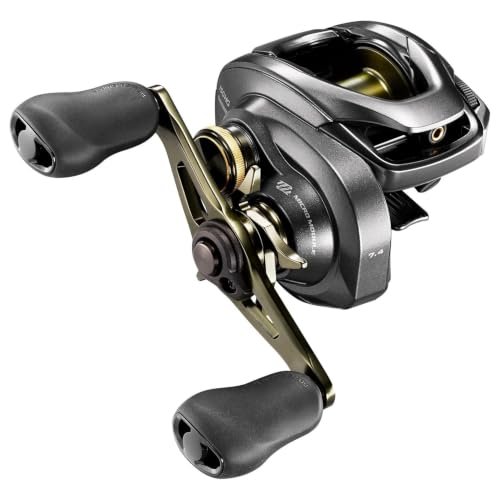
- ✦ Reel
A smooth baitcasting reel with a comfortable gear ratio works well.
- ✦ Line
Choose line strength based on cover, lure size, and fish species.
Where and When to Fish a Crankbait
Crankbaits are effective throughout the year, but seasonal patterns change how you should fish them. Spring and fall often bring strong feeding activity as fish chase bait.
Look for areas with structure such as rocks, docks, points, weed edges, and submerged trees. These places give predators a reason to attack.
- ✦ Spring
Use crankbaits near warming shallow areas where fish feed before spawning.
- ✦ Summer
Try deeper diving crankbaits near cooler offshore areas.
- ✦ Fall
Match baitfish patterns as fish prepare for winter.
Frequently Asked Questions about how to fish a crankbait

fishingscouty
Contributor