Use quiet baits, good light control, and time your tides to catch fish at night.
I’ve fished after dark for over 20 years and know how to catch fish at night. This guide pulls together gear, bait, timing, and safety in simple steps you can use right away. Read on for clear, field-tested tips that turn late hours into big bites.

Why fish at night and what to expect
Night fishing is calmer and often more productive. Many species feed more actively after sunset. Learning how to catch fish at night means understanding behavior, light, and timing.
Fish move toward shallows and structure when light drops. Predators hunt by sound, scent, and contrast, not color. If you match those cues you will see more bites.

Night fishing safety and planning
Plan the trip and tell someone where you will be. Bring a charged phone, a headlamp with red mode, a personal floatation device if you’re on a boat, and a first-aid kit.
Scout the spot in daylight. Check local rules and tides. Good planning reduces risk and gives you time to focus on how to catch fish at night.
Best gear and tackle for catching fish at night
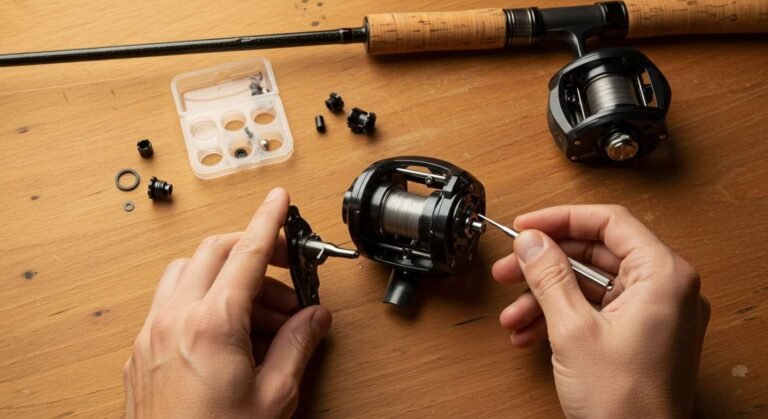
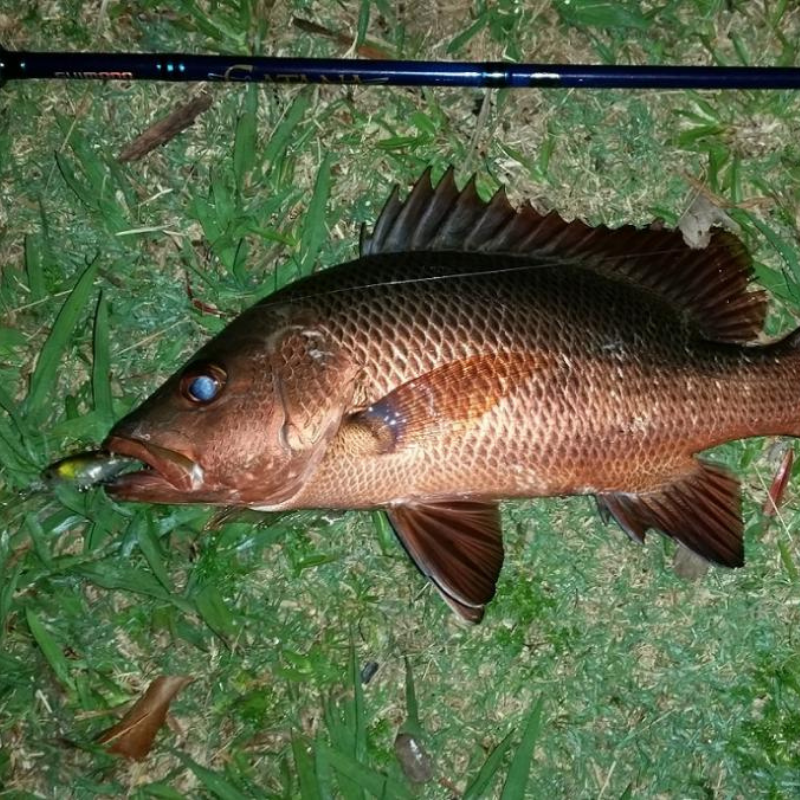
Choose line that resists tangles and has good feel. Braided line with a fluorocarbon leader often works best for night casting. Use medium-fast action rods for solid hooksets and detecting light bites.
Pick lures and rigs that show contrast or glow. Glow jigs, soft plastics with scent, and topwater frogs work well. Keep extra batteries, spare hooks, and a small towel to keep hands dry and steady.

Bait, lures, and scent tactics
Live bait is powerful at night. Minnows, shrimp, and cut bait release scent that fish detect easily in low light. If you use artificial lures, pick ones that create noise or vibration.
Colors matter less after dark, so focus on profile and movement. Use lures that flash, rattle, or glow. My go-to when teaching others how to catch fish at night is a small glowing jig tipped with scented soft plastic.
Lighting: when to use it and when to avoid it
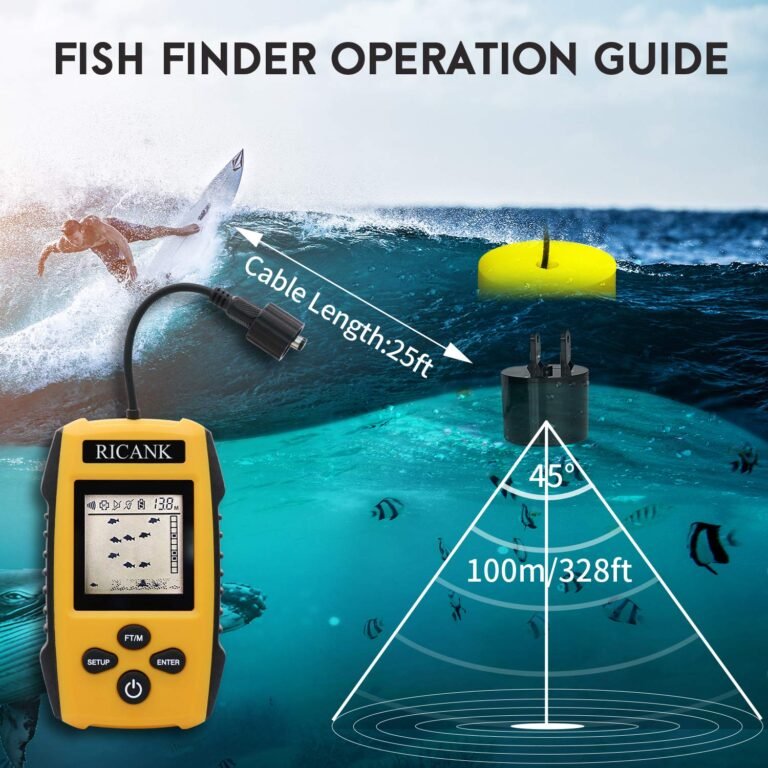
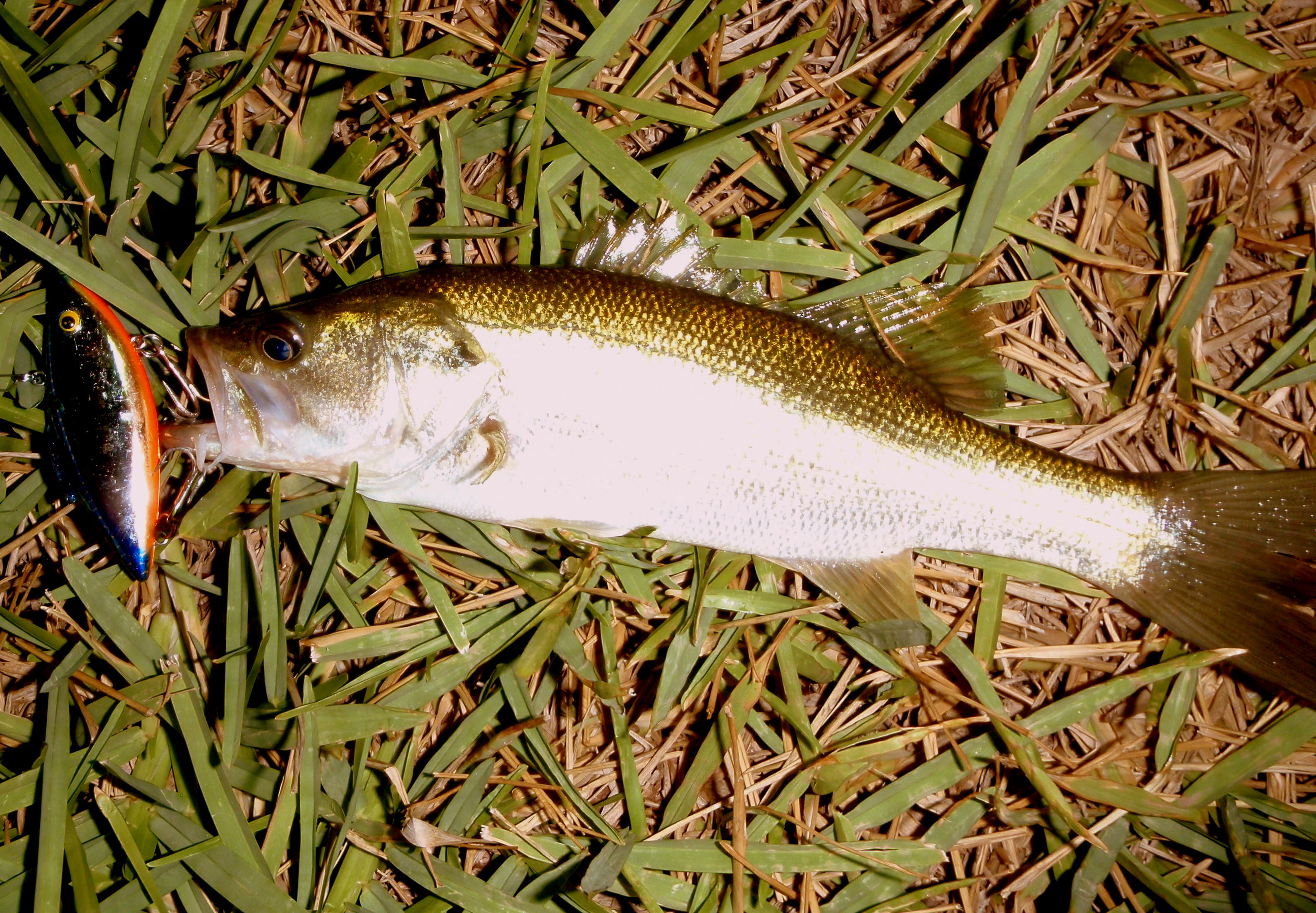
Light attracts bugs, bait, and fish, but it can also spook wary species. Use low, focused light for lines and knots. Switch to red or amber on headlamps to keep your eyes adjusted.
If you need a light in the water, use a small submersible or a green light near structure; it draws baitfish. Test your local spot; sometimes darkness produces more bites than a bright light.
Reading water and choosing night spots
Target structure, edges, and shallow flats near deep water. Fish patrol drop-offs, docks, weed lines, and river mouths at night. Currents and tides funnel food; that’s where predators follow.
Use simple scans: listen for surface activity, watch for silhouettes, and note calmer pockets near strong flow. Finding the right spot is often more important than fancy gear when learning how to catch fish at night.
Timing: moon, tide, and weather effects
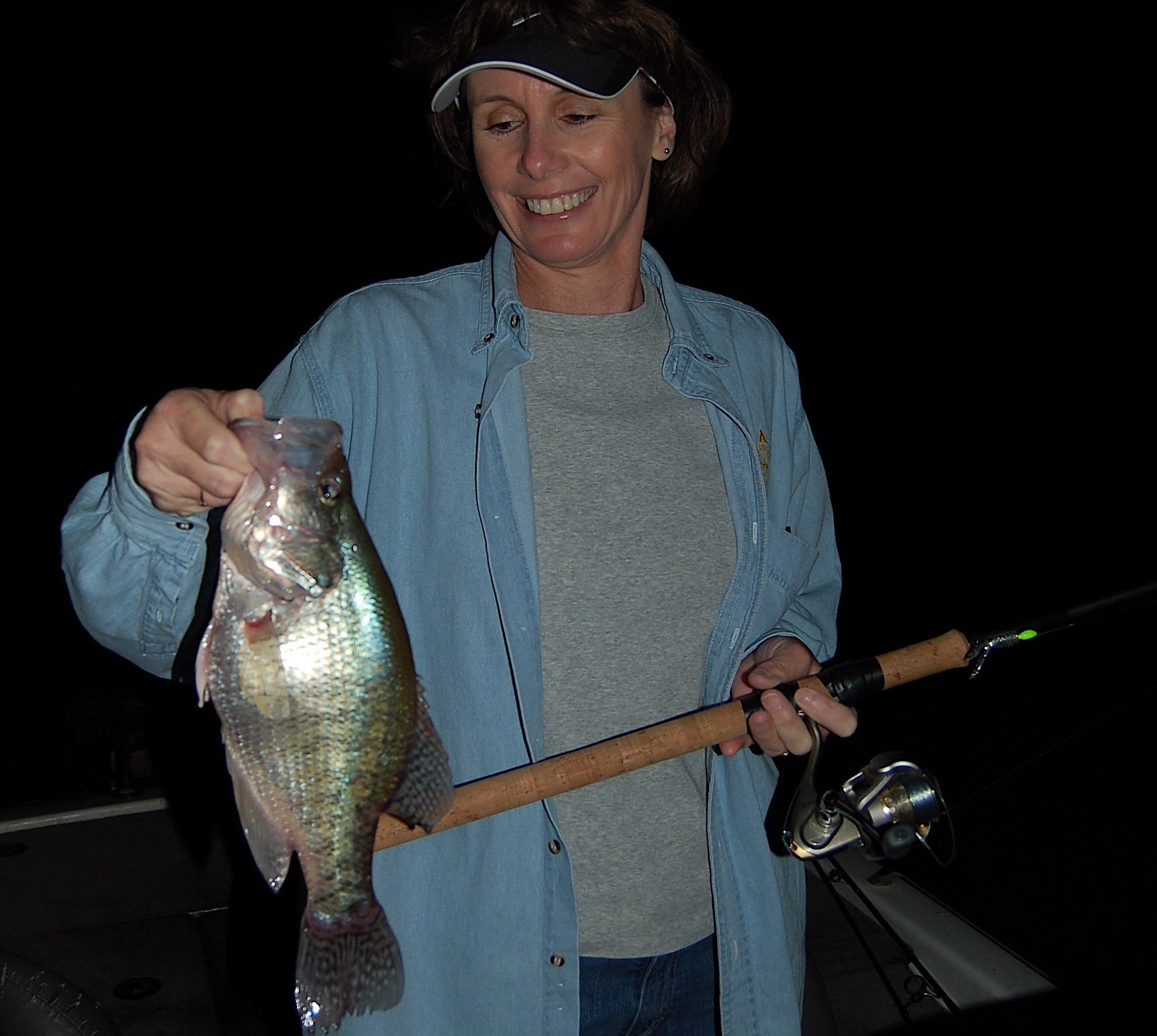
Tides and moon phase shape feeding windows. Many anglers find the two hours before and after high tide are best in estuaries and bays. A fuller moon can boost visibility and activity, but it can also change feeding patterns.
Warm, stable nights tend to be more productive than cold, windy ones. Track local tide charts and weather. Over time you’ll learn which night conditions at your spot deliver the most catches.
Techniques and rigs that work after dark
Use slow, deliberate retrieves. Fish rely on sound and vibration at night, so give lures a steady pulse. Try these rigs:
- Carolina rig with scented soft plastic for deep flats
- Jighead with glow paint for ledges and structure
- Topwater popper for shallow, calm water
Practice tying strong knots and set the hook decisively. Night bites can be subtle, and a firm hookset converts more strikes when you know how to catch fish at night.
Common mistakes and how to avoid them
Mistakes are easy to fix once you know them. Don’t overuse bright lights. Don’t cast with sloppy knots. Don’t ignore local rules or weather changes.
I once lost a big fish because I left my headlamp on full while fighting it. Turn off extra light during the fight and keep movements slow. These small changes improve success and safety.
Personal experiences and lessons learned
Years ago I fished a quiet bay and watched a local angler use a tiny glow jig. He taught me to switch to scent and slow retrieves. That night we both caught fish where we had tried for hours in daylight.
Lesson learned: adapt fast and listen to the water. If a technique fails for two casts, change it. Trust your instincts and the simple cues the fish give you. That’s how to catch fish at night in real life.
Advanced tips for specific species
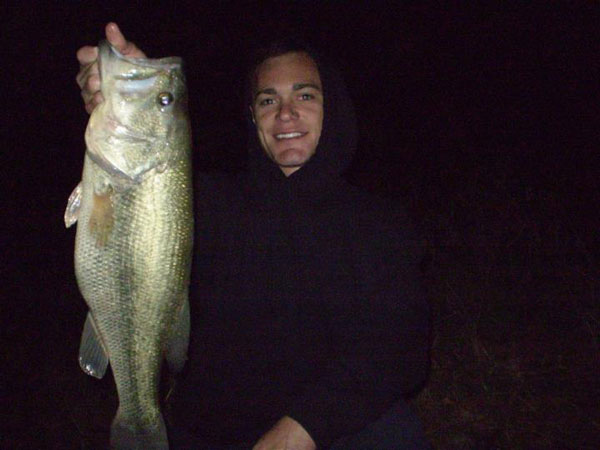
Bass and pike chase noisy topwater lures at night near weed edges. Catfish favor bait with strong scent on the bottom. Striped bass and saltwater predators follow bait pods and feed near tidal edges.
Adjust gear and retrieve to species habits. Match the profile, noise, and scent to what predators expect in low light. These tweaks make your night tactics more effective.
PAA-style questions you might search for
What is the best bait for night fishing?
- Live bait like minnows or shrimp tops the list, while scented soft plastics are the best artificial choice.
Do fish bite more at night or day?
- Many species bite more at night due to cooler temps and less light, but local conditions and species behavior matter.
How do you avoid spooking fish at night?
- Use low, red light, make slow moves, and avoid shining bright lights on the water. Quiet approach helps.
How important is tide when fishing at night?
- Very important in tidal waters. High tide and the slack around it often concentrate bait and attract predators.
Can you catch bass at night?
- Yes. Bass feed actively near structure and edges after dark. Use topwater or slow-moving lures to entice bites.
Frequently Asked Questions of how to catch fish at night
What gear is essential for night fishing?
Keep a headlamp with red mode, a reliable PFD if on water, a quality rod and reel, line suited to the species, extra glow lures, and a small first-aid kit.
What lures catch fish best at night?
Glowing jigs, rattling plugs, scented soft plastics, and noisy topwaters are top choices. Pick lures that create vibration, profile, or scent.
How do I find fish in the dark?
Scout in daylight, read tides, listen for surface activity, and target structure where bait gathers. Use subtle lights to reveal silhouettes.
Is it legal to fish at night everywhere?
Laws vary by location. Check local regulations, seasons, and any night-fishing restrictions before you go.
How do I land fish safely at night?
Turn off excess lights, keep hands dry and steady, use a net with a long handle, and have pliers handy for quick hook removal.
Conclusion
Night fishing rewards careful planning, the right gear, and a quiet approach. Master tides, light control, bait choice, and structure reading to learn how to catch fish at night consistently. Try one new tip each trip, keep notes, and stay safe on the water. Share your successes or questions below, subscribe for more tips, or plan a night trip this week to put these ideas into action.