Use a fishing reel correctly by matching reel, line, and drag, then practicing spool, cast, retrieve.
I’ve fished for over 15 years and taught dozens how to use a fishing reel correctly. This guide shows clear, step-by-step instruction, real tips from the water, and troubleshooting for spinning, baitcasting, and spincast reels. Read on to get confident with your reel, avoid common mistakes, and land more fish.

Understanding fishing reels: types and parts
A reel holds and manages line. It helps you cast, fight fish, and retrieve lures. The three common types are spinning, baitcasting, and spincast. Each has a different feel and setup, so learning parts helps you know how to use a fishing reel correctly.
Key reel parts to know:
- Reel body: houses gears and bearings.
- Spool: where line is wound.
- Handle: turns the spool.
- Drag: controls line resistance.
- Bail or level wind: guides the line.
- Thumb bar and spool tension on baitcasters.
Knowing these parts makes setup and adjustments fast. Once you can name parts, you can fix most problems on the water.

Choosing the right reel for your setup
Match reel size to rod and target fish. Small reels suit panfish, medium reels work for bass, and large reels handle saltwater and big species. Line type matters too; braid, mono, and fluoro behave differently on each reel.
How to choose:
- Match reel size to rod power and lure weight.
- Pick a reel with a smooth drag for bigger fish.
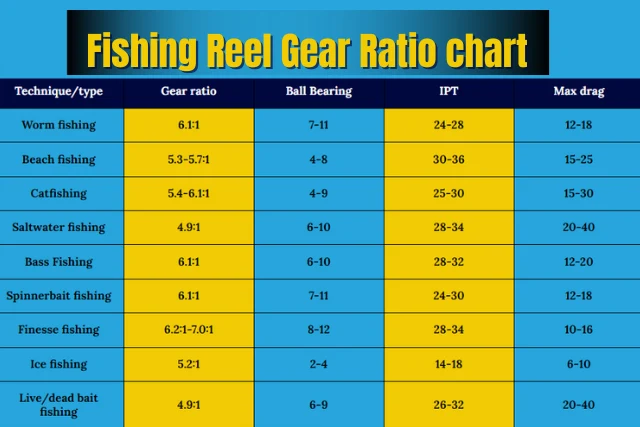
- Consider gear ratio: slow for heavy lures, fast for topwater and quick retrieves.
Choosing right from the start makes learning how to use a fishing reel correctly easier and reduces bugs like backlash and line twist.

Step-by-step: how to use a fishing reel correctly
This section gives a clear path from spooling line to landing fish. Follow these steps slowly the first few times.
- Spooling the line
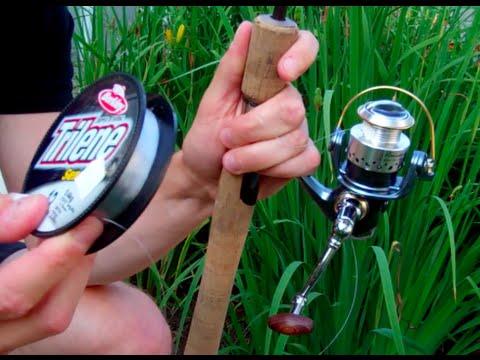
- Secure the spool on the reel spool shaft.
- Keep tension on the line with a finger or cloth while winding.
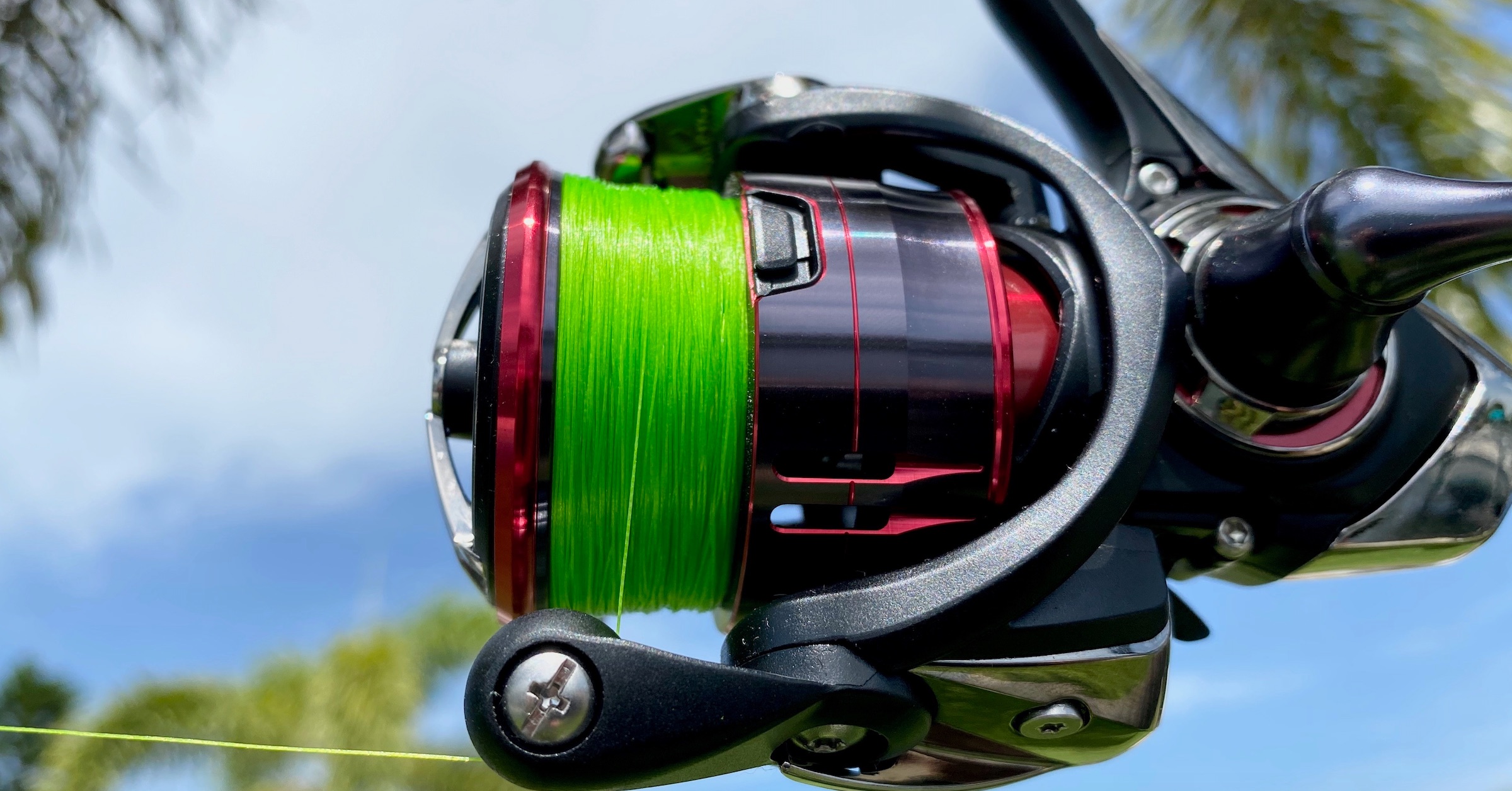
- Fill the spool to about 1/8 inch from the rim for spinning reels.
- Setting drag
- Close the bail or engage the spool.
- Pull line with your hand to feel resistance.
- Set drag so the line pulls at 25–30% of rod test for most fish.
- Adjusting reel features
- Spinning reel: open the bail to cast, close it after the cast or flip it closed and reel.
- Baitcasting: set spool tension knob, use thumb to control spool during cast.
- Spincast: press button to cast, release to stop and engage.
- Casting basics
- Grip rod near reel and keep a relaxed wrist.
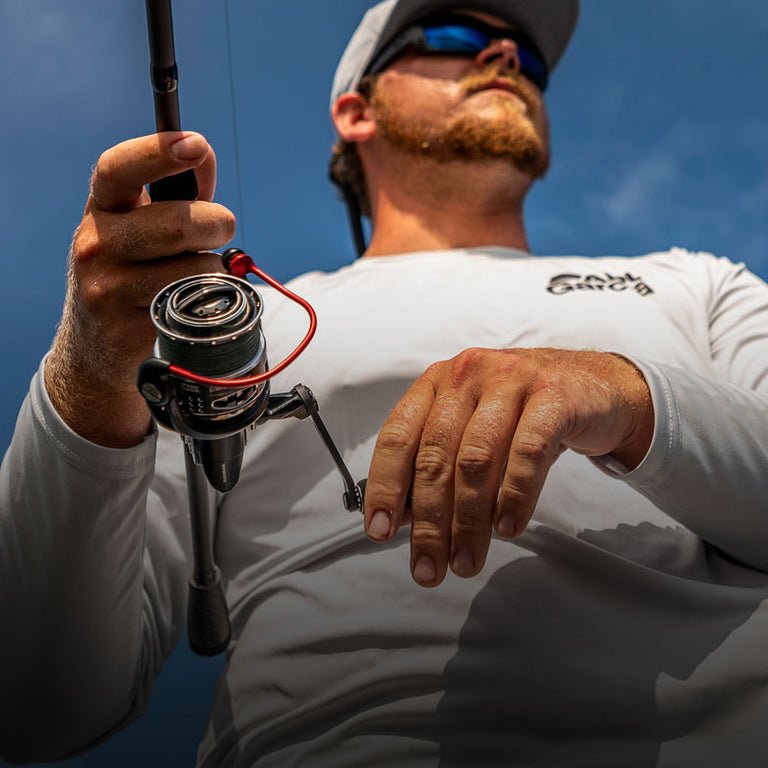
- For spinning reels: flip open bail, hold line with index finger, cast, release finger at forward motion peak.
- For baitcasting: thumb the spool until lure reaches peak, then slowly release to avoid backlash.
- Retrieving and setting the hook
- Start retrieve with steady turns. Vary speed to mimic prey.
- When you feel a strike, reel one turn and set the hook with a firm sweep of the rod.
- Keep steady pressure and adjust drag if the fish runs hard.
- Fighting and landing fish
- Use rod angle to tire the fish, apply drag when needed.
- Reel on the recover stroke; lift on the power stroke.
- Use a net for larger fish to reduce stress on the line.
Practice each step until it feels natural. Learning how to use a fishing reel correctly takes reps on calm days.

Tips, common mistakes, and troubleshooting
Here are common issues and quick fixes that save time on the water.
Common mistakes:
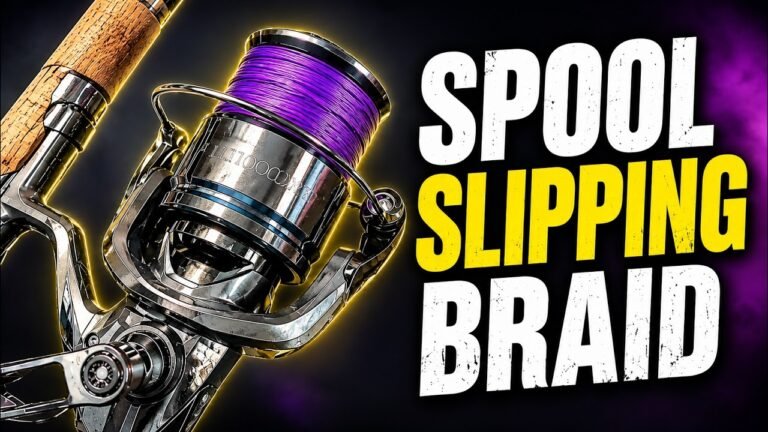
- Overfilling spool, causing tangles and loops.
- Drag too loose or too tight, leading to lost fish or snapped line.
- Ignoring spool tension on baitcasters, causing severe backlash.
Troubleshooting quick fixes:
- Line twist: let line hang behind the boat, open bail and let line out, then retie the lure if twist persists.
- Backlash on baitcaster: tighten spool tension, use heavier lure or slow your cast until you get the feel.
- Rough retrieve: clean and lubricate bearings, check line knots.
These tips come from years of trial and testing. They show how to use a fishing reel correctly by preventing small errors that ruin a day.
Personal experience and lessons learned
I remember my first baitcaster backlash. I cast too hard, panicked, and made it worse. After rewinding the mess, I learned to slow the cast and trust the spool tension. That simple change taught me more than any video.
Lessons I share:
- Start with a cheap reel to learn how to use a fishing reel correctly before upgrading.
- Practice casting in an open field with a weight before using real lures.
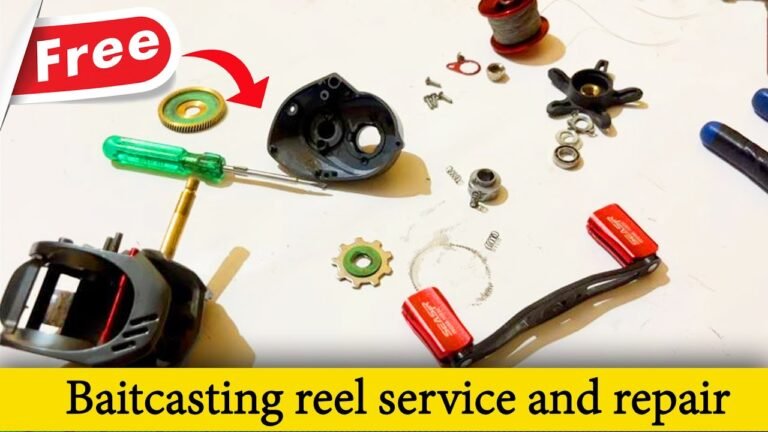
- Keep a small toolkit: extra line, pliers, small screwdriver, and lubricant.
These are the real-world tips I give new anglers. They saved me hours and many frustrations.
Equipment care: cleaning and maintenance routines
Routine care prolongs reel life and keeps performance high. Clean reels after every saltwater trip and monthly for freshwater use.
Basic maintenance steps:
- Rinse lightly with fresh water; avoid direct high-pressure spray.
- Wipe dry and open spool to clean line area.
- Apply a drop of reel oil to handle knobs and bearings annually.
- Grease gears lightly once or twice a year depending on use.
Proper maintenance helps you know how to use a fishing reel correctly by reducing surprises and wear. A well-kept reel casts smoother and lasts longer.
Advanced techniques and tuning
Once basic steps are solid, learn these advanced tips to improve casts and control.
Advanced adjustments:
- Fine-tune baitcaster spool tension and braking system for lure weight.
- Use backing for large reels to protect the spool and add line capacity.
- Match line type to action: braid for sensitivity, fluorocarbon for invisibility.
Practice makes these techniques second nature. Understanding how to use a fishing reel correctly at this level helps you catch more fish in varied conditions.
Frequently Asked Questions of how to use a fishing reel correctly
How do I prevent line twist on spinning reels?
Keep your line spool tense while spooling and attach lures that don't spin. Use a swivel when trolling or using long leaders to reduce twist.
How tight should my drag be?
Set drag so it pulls at about 25–30% of the line’s test strength for general fishing. Adjust tighter for heavy cover and looser for light tackles or small fish.
When should I use a baitcasting reel instead of a spinning reel?
Use baitcasting reels for heavier lures, long accurate casts, and when you need more torque. Spinning reels are easier for beginners and for light lines.
How often should I clean and oil my reel?
Rinse after saltwater trips and do a full clean and light oiling once every few months with regular use. Heavy use may require more frequent maintenance.
What is the best way to learn to cast without backlash?
Practice with a casting plug in an open field. Start with spool tension tight and gradually loosen it as you improve your thumb control and timing.
Conclusion
Mastering how to use a fishing reel correctly is a mix of right gear, steady practice, and simple maintenance. Start slow, learn each reel part, and build muscle memory with short practice sessions. Try the steps here on your next outing, keep a log of settings that work, and share results with other anglers to keep improving. If this helped, leave a comment with your reel type and one tip you learned, or subscribe for more hands-on fishing guides.