Read currents, structure, depth, clarity, and temperature to find fish quickly.
I’ve fished lakes, rivers, and coasts for decades, and knowing how to read water for fishing turns guesswork into repeatable results. This guide explains the core signs—current, structure, depth, clarity, temperature, and cover—and shows you practical steps, tools, and tips I use on every trip to catch more fish.

Why learning how to read water for fishing matters
Reading water gives you the edge to find fish faster. Fish pick spots that meet their needs: food, oxygen, and safety. When you know how to read water for fishing, you spend less time casting blind and more time catching fish. That matters whether you have one hour or a whole weekend.
Key elements to watch when you read water
Focus on a few clear features. Each tells you where fish will likely be.
- Current and flow
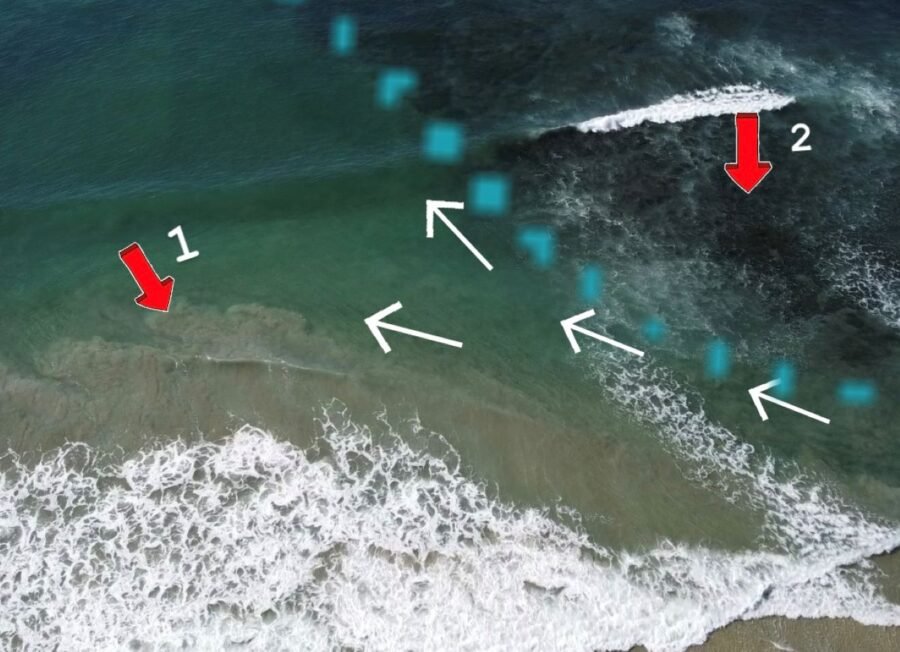
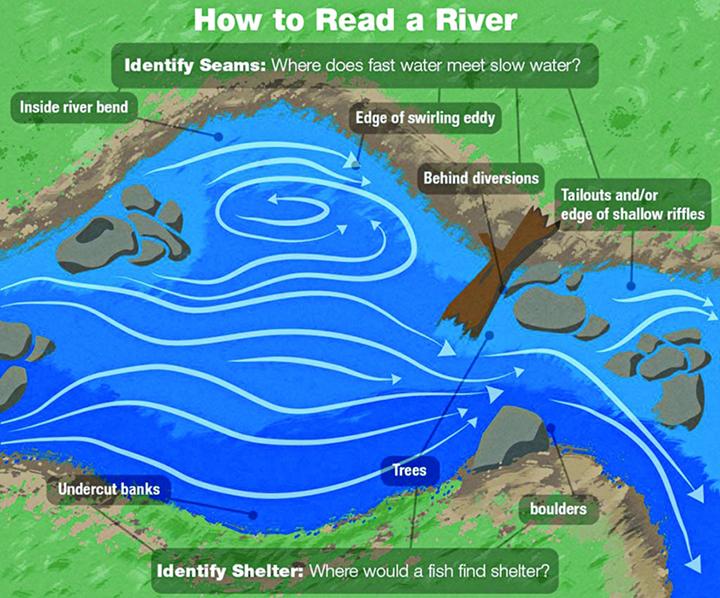
- Look for seams, eddies, and breaks in current. Fish hold where current brings food and conserves energy.
- Structure and cover
- Rocks, logs, drop-offs, and bridges shelter fish. Structure concentrates bait and predators.
- Depth and contours
- Points, ledges, humps, and channels matter. Small depth changes often hold fish.
- Water clarity
- Clear water needs finesse and natural presentations. Stained water lets you use brighter lures and more movement.
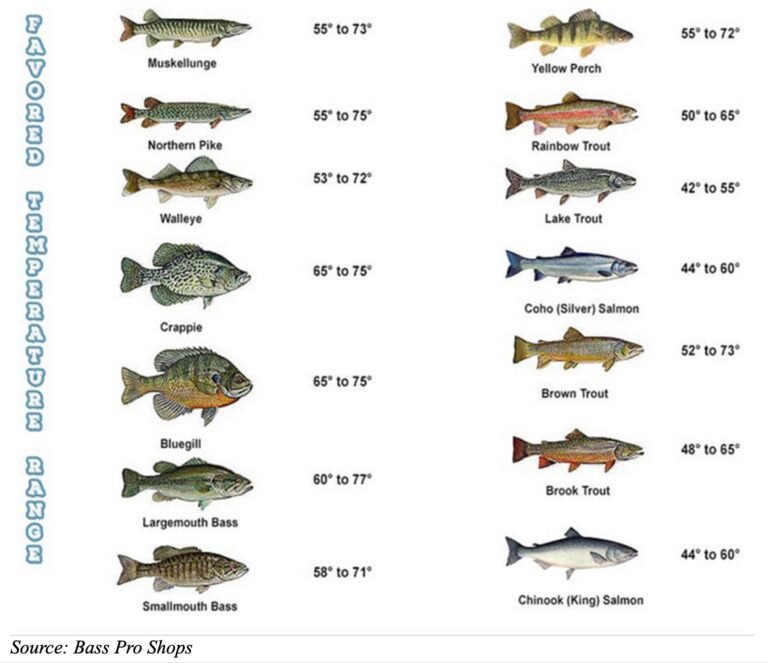
- Temperature and thermoclines
- Fish follow preferred temperature ranges. A sudden temperature change can be a feeding line.
- Bait and forage
- Find minnows, insects, or crustaceans. Predators follow bait schools and feeding activity.
When you practice how to read water for fishing, check these items in order: current, structure, depth, clarity, temperature, and forage. That checklist helps you make quick decisions on the bank or in the boat.

Step-by-step: How to read water for fishing on a trip
Follow a simple routine before you make your first cast.
- Observe from shore for 5 minutes
- Watch surface movement, birds, and baitfish activity. Note where fish might be feeding.
- Map the area mentally or on a phone
- Mark points, humps, drop-offs, and weed edges. Visual maps speed your approach.
- Check depth and contours with sonar or a pole
- Confirm what you saw from shore. Depth tells you likely holding zones.
- Test water clarity and temperature
- Use a thermometer and sunglasses. Adjust lure size and color to match conditions.
- Make targeted casts to high-probability spots
- Fish structure first, seams next, then open water. Keep each spot short unless you get bites.
Repeat this routine every time you change water. The more you practice how to read water for fishing, the faster you’ll spot patterns that produce fish.
Tools and techniques that help you read water
Good tools make the process faster and more reliable.
- Polarized sunglasses
- Cut glare and let you see structure and bait under the surface.
- Sonar and fishfinders
- Reveal depth, contours, and bait schools. Use zoom and sensitivity to read detail.
- Depth maps and navigation apps
- Pre-scout points and channels. Know what to expect before you arrive.
- Thermometer or temp probe
- Quick temperature checks tell you where fish may be comfortable.
- Wading staff or depth pole
- Feel bottom changes when sight fishing or probing shallow edges.
- Notebook or phone notes
- Jot water level, temp, and successful spots. Patterns emerge over trips.
From my experience, a simple polarized pair of glasses plus a basic fishfinder cuts search time in half. That’s how to read water for fishing with confidence.

People also ask
What is the quickest sign of fish activity?
- Look for surface disturbances, diving birds, or minnows fleeing; these usually mean fish are feeding below.
How far should I scan from shore?
- Scan about 50 to 100 yards along the bank to find likely structure and bait concentrations.
When is sonar most useful?
- Sonar helps most in low-visibility water or when fish are holding off structure you cannot see.
Seasonal and weather effects on reading water
Seasons change where fish live and feed. Learn the seasonal shifts.
- Spring
- Fish move shallow to spawn or feed. Look for warm, shallow flats and points.
- Summer
- Fish seek cooler water and structure. Follow thermoclines and deeper edges.
- Fall
- Feeding ramps up. Fish roam and follow bait; points and flats can be hot.
- Winter
- Fish slow down. Target deeper structure and small feeding windows on warm days.
Weather also changes behavior. Bright sun can push fish deeper or under cover. Wind can concentrate bait on downwind shorelines and create feeding lanes. Practice how to read water for fishing by noting how the same spot fishes in different seasons and weather.
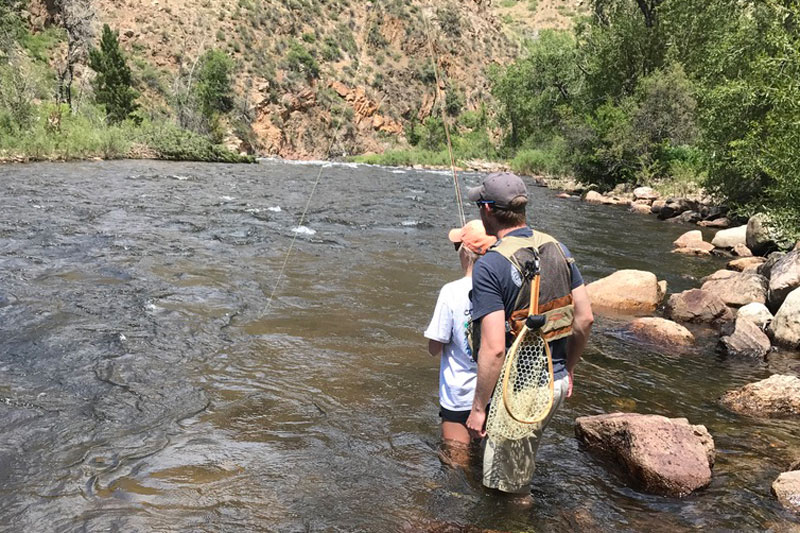
Common mistakes and how to avoid them
Avoid these frequent errors to speed progress.
- Casting at random
- Waste time. Instead, target structure and current seams.
- Ignoring water temperature
- Fish move with temp. Test and adapt.
- Using wrong lure size or color
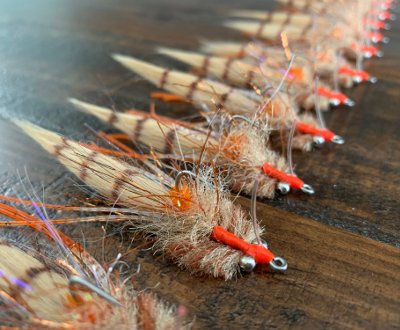
- Match local forage and clarity. Small natural baits in clear water; brighter, bigger lures in stained water.
- Failing to scout from shore
- A short scan reveals more than cast after cast from the same spot.
- Overlooking subtle structure
- Small ledges or depth changes matter. Probe gently and mark success.
I learned these in early seasons. One time I kept fishing an obvious log and got nothing until a friend pointed out a nearby submerged ledge I had ignored. Changing spots got me a limit in an hour.

Personal experiences and practical tips
I’ll share real lessons that helped me read water faster.
- Early morning scans win
- I often spot bait and feeding birds before casts. Quiet mornings reveal seams.
- Mark your success
- I keep a short log. Notes on temp, bait, and lure help me repeat wins later.
- Use contrasts
- Fish often hug contrasts—rock to sand, current to slack. I focus on edges where two environments meet.
- Be patient with new water
- Spend 15 minutes observing. My best trips began with a calm scan and three targeted casts.
- Learn one waterbody each season
- Get to know currents, wind directions, and where bait moves. Local knowledge beats fancy gear.
These habits show how to read water for fishing in real conditions, not just on paper.

Frequently Asked Questions of how to read water for fishing
What is the first thing to look for when reading water?
Start with current and structure; they tell you where food concentrates and where fish can rest.
How does water clarity change my lure choice?
In clear water use natural-sized, subtle presentations; in stained water use brighter colors and larger profiles.
Can weather change where fish hold during the day?
Yes. Wind, barometer, and sunlight can shift fish into deeper water, under cover, or into feeding lanes.
How often should I check water temperature?
Check when you arrive and after major weather changes; temperature shifts can move fish quickly.
Is sonar necessary to read water effectively?
No. Sonar speeds scouting, but skilled anglers read water by sight, feel, and local knowledge.
Conclusion
Learning how to read water for fishing makes every trip more productive. Focus on current, structure, depth, clarity, temperature, and bait, and use simple tools like polarized glasses and a thermometer. Start each trip with observation, map key spots, and test smartly. Try the routine this weekend, keep brief notes, and you’ll see steady improvement. Leave a comment with your best water-reading tip or subscribe for more field-tested fishing guides.