River fishing offers moving water challenges; lake fishing gives calm, steady water and broader cover.
I have fished rivers and lakes for over 15 years, guiding anglers from first casts to tournament wins. In this article I compare river vs lake fishing with clear, practical advice. You will get simple definitions, gear tips, proven tactics, and real-life lessons I learned on the water. Read on to find which venue fits your style and how to catch more fish today.
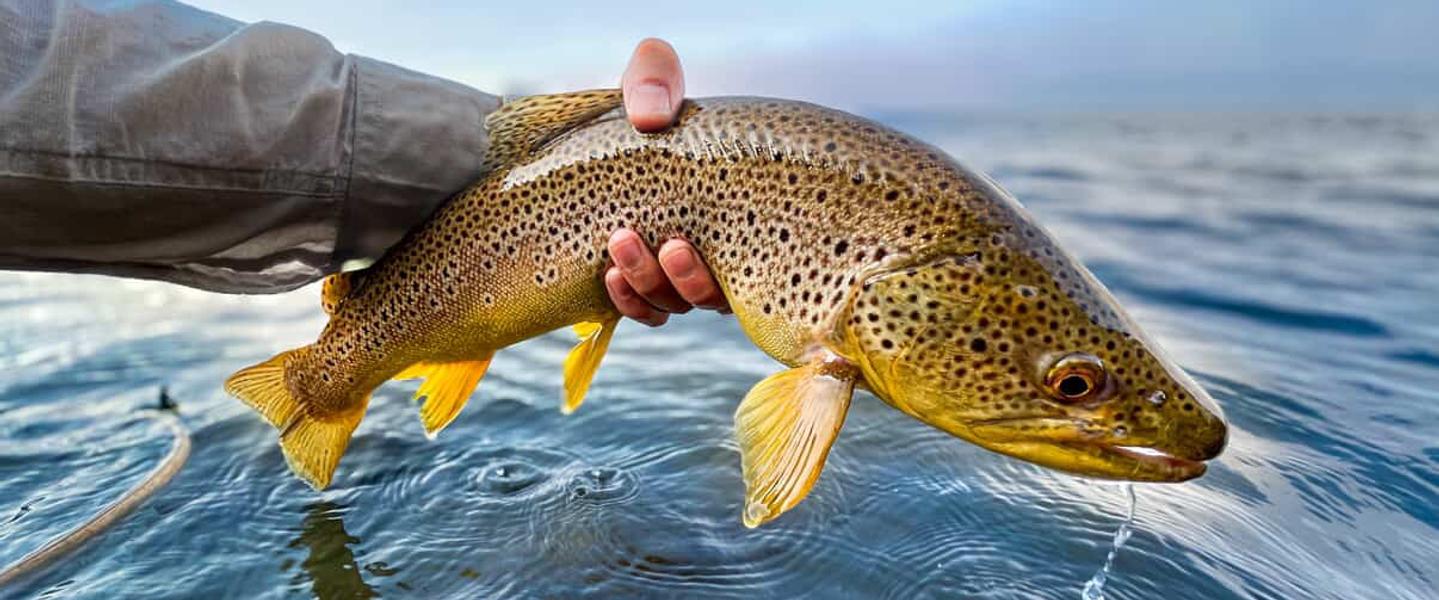
Understanding the basics: rivers vs lakes
Rivers are flowing bodies of water. They have current, riffles, runs, pools, and changing water speed. Current creates structure and holds fish in predictable places. Rivers often have narrow channels, visible structure, and moving bait.
Lakes are standing water. They have depth zones, flats, drop-offs, and seasonal layers such as thermoclines. Fish move more freely in lakes and relate to cover, depth, and temperature. Anglers use boats, shore casts, or docks to access fish.
Key differences at a glance:
- Rivers use current to position fish and present bait naturally.
- Lakes require locating depth, cover, and temperature bands.
- Rivers often need precise casts and drift control.
- Lakes reward mapping, boat control, and covering water.
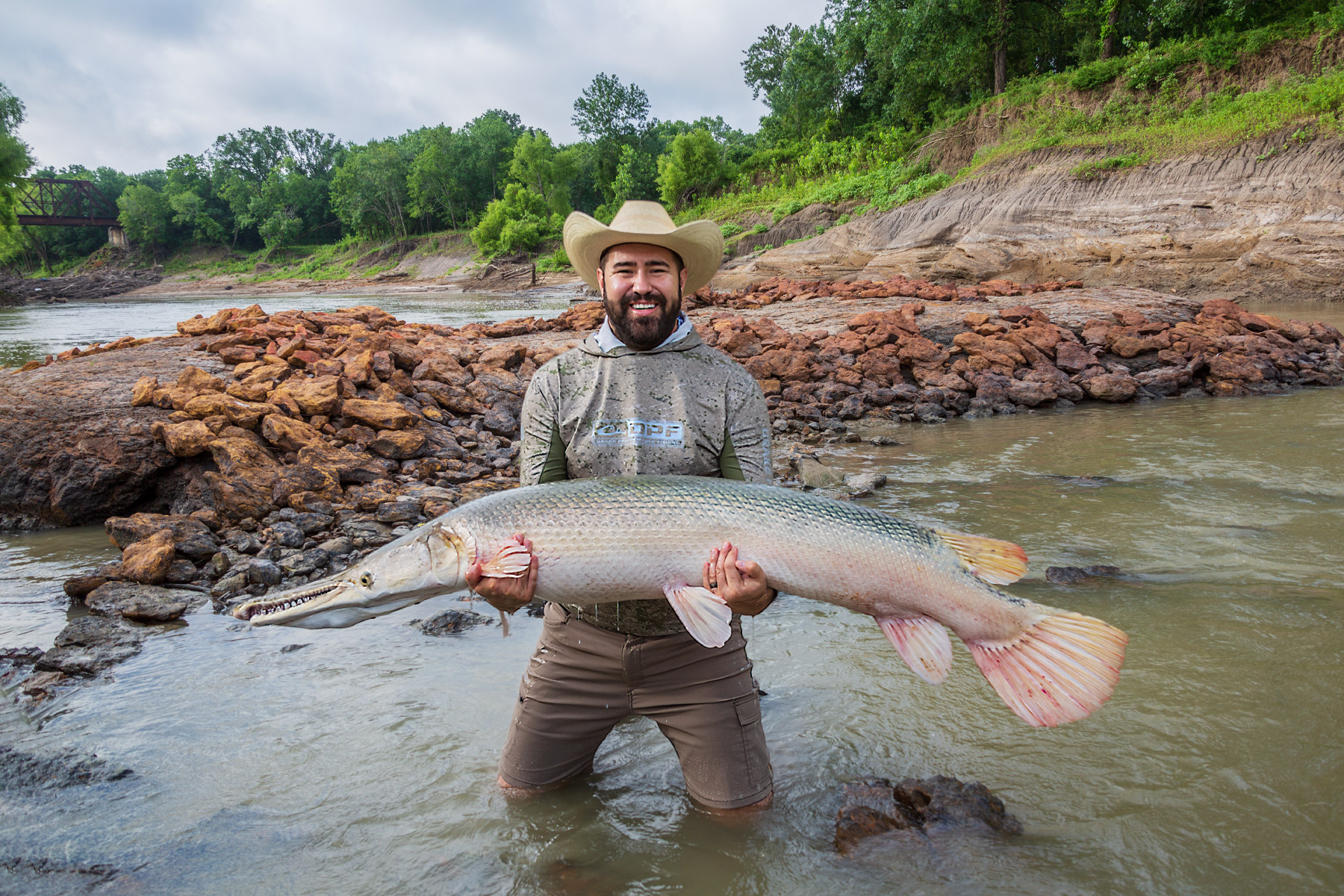
Fish species and behavior in river vs lake fishing
Species vary by region, but behavior changes with habitat. Trout, smallmouth bass, walleye, and catfish often thrive in rivers. Largemouth bass, crappie, perch, and pike are common in lakes. Many species live in both but act differently in each.
How behavior shifts:
- In rivers fish face current and hug structure like rocks and banks.
- In lakes fish hold near weed edges, drop-offs, brush, or submerged structure.
- Feeding patterns in rivers are often localized and predictable by flow.
- In lakes fish follow bait concentrations and temperature layers.
Practical tip: learn local species habits for both river vs lake fishing. Watch how bait moves and adapt lure speed and presentation accordingly.

Gear and tackle differences
Rivers and lakes reward different setups. A simple swap can improve results fast.
For river vs lake fishing, consider:
- Rods and reels
- Rivers: shorter rods for casting accuracy and controlling drift. Medium-light to medium power.
- Lakes: longer rods for distance and crankbaits. Medium to medium-heavy power depending on species.
- Line and leader
- Rivers: lighter line for stealth, fluorocarbon for abrasion resistance near rocks.
- Lakes: braided line for cover, mono for shock absorption on topwater.
- Lures and bait
- Rivers: small spinners, nymphs, jigs, drifted baits, and streamers.
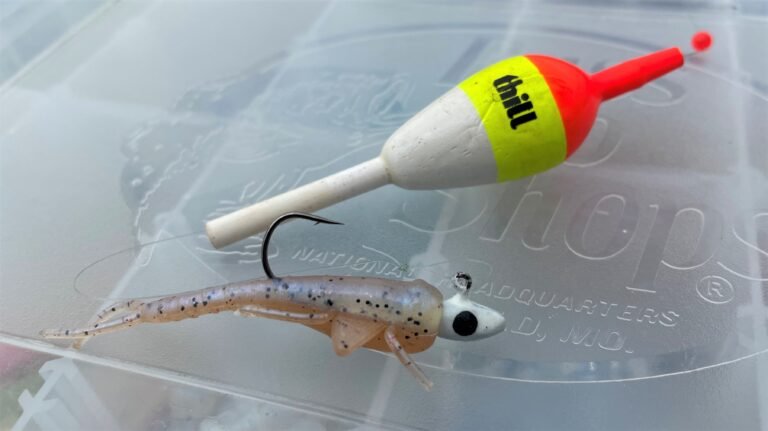
- Lakes: crankbaits, soft plastics, swimbaits, topwater, and vertical jigging gear.
- Footwear and safety
- Rivers: wading boots with traction, wading staff.
- Lakes: PFDs for boats, non-slip shoes for docks.
Gear rule of thumb: match tackle to water type and fish behavior. For river vs lake fishing, small changes in rig and weight make big differences.
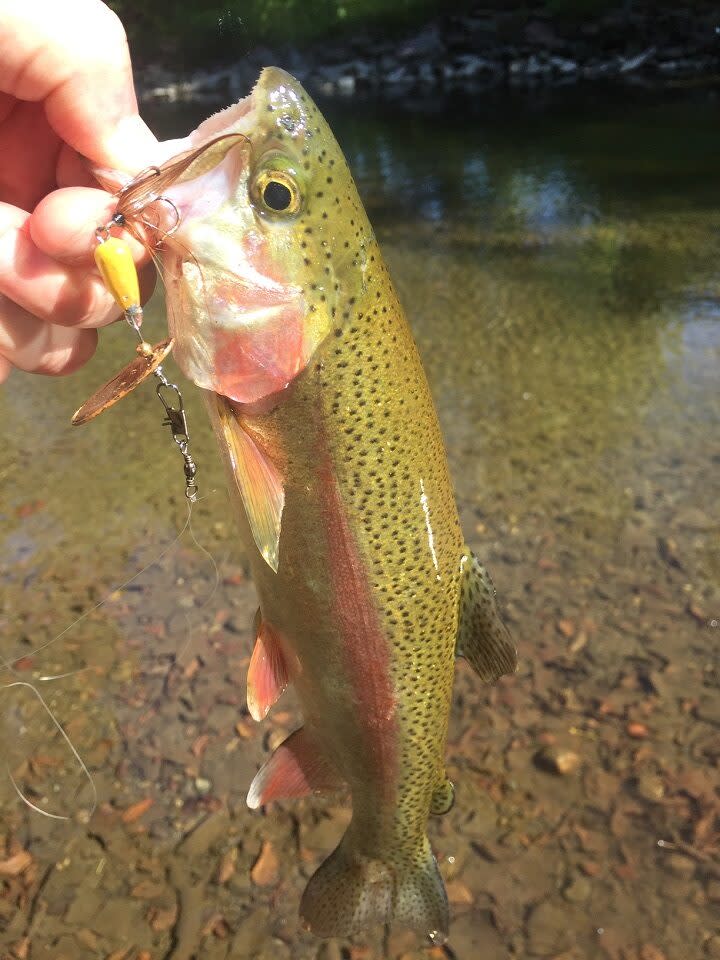
Techniques and tactics
River vs lake fishing demand different tactics. Short, clean presentations often win in rivers. In lakes, covering water and depth control matter most.
River tactics:
- Read current seams and eddies where bait slows.
- Fish upstream and let bait drift naturally.
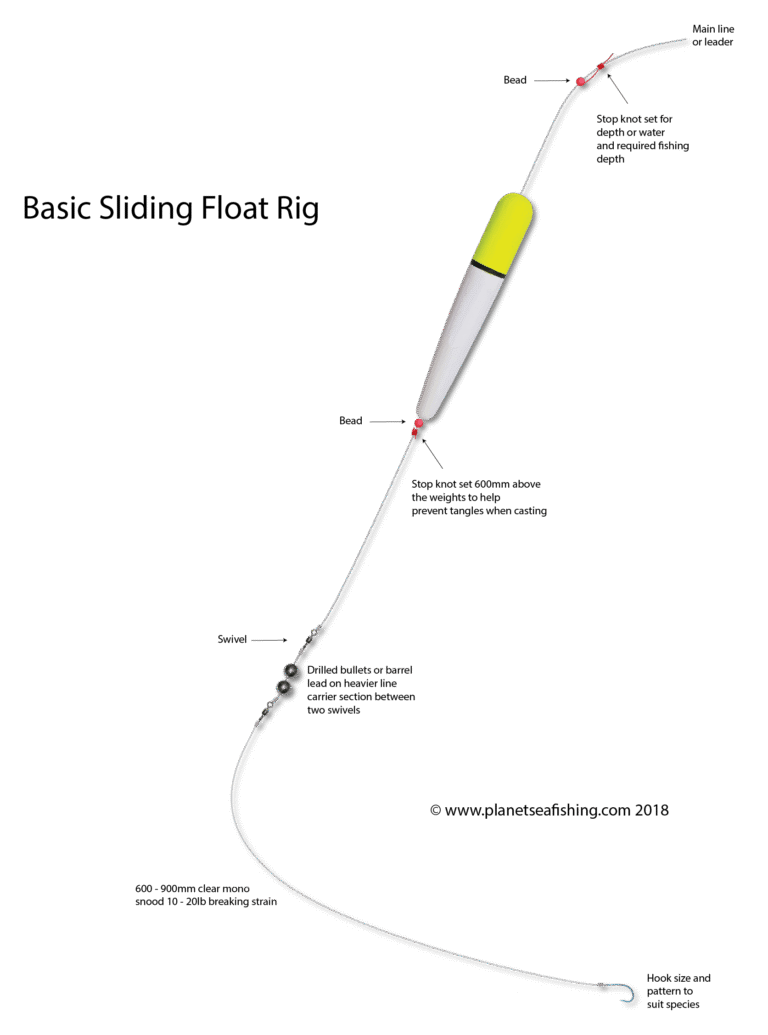
- Use split-shot rigging or weighted nymphs for depth control.
- Cast upstream and mend line to reduce drag.
Lake tactics:
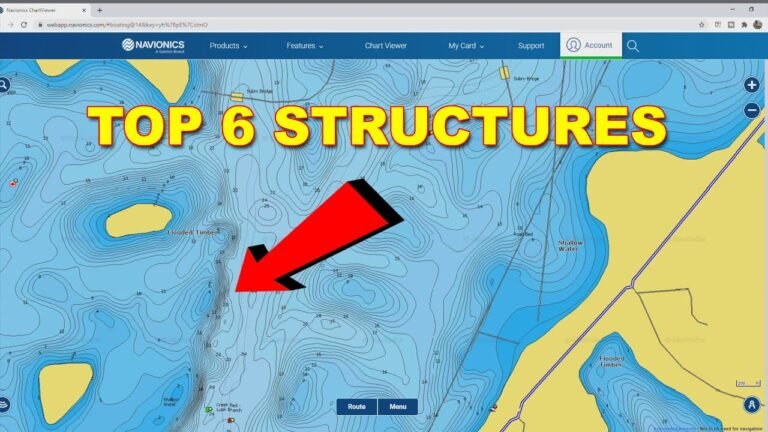
- Map structure with a depth finder or charts.
- Fish drop-offs, points, and weed lines.
- Vary lure speed to find what fish want.
- Use vertical presentations over deep fish.
PAA-style questions
How do I find fish in a river?
Look for seams, eddies, rocks, and breaks in current. Fish often sit behind structure where food comes to them.
How do I find fish in a lake?
Use contour maps, look for weed edges and drop-offs, and probe depths with electronics or bait presentations.
What bait works best in current versus still water?
Natural drifted baits and small lures work in current. In lakes, bulkier lures and depth-controlled baits often outfish tiny offerings.

Seasonality and weather effects
Season and weather change everything for river vs lake fishing. Temperature and water level alter fish location and activity.
River notes:
- Spring runoff raises flows and can push fish to slower edges.
- Summer low water concentrates fish in deep pools or shaded runs.
- Fall brings feeding before cold, concentrating fish on food routes.
Lake notes:
- Surface temps and thermoclines control depth. Fish move deep in summer.
- Wind pushes bait to specific shores and creates feeding zones.
- Cold fronts can slow activity; warm periods often spark feeding.
Practical weather tip: check recent rain and wind. In rivers, look for stain and flow speed. In lakes, wind-driven points can be hot.

Access, safety, and ethics
Access differs between river vs lake fishing. Both need respect for safety and habitat.
Access and logistics:
- Rivers may allow long walks, wading, or bank fishing with public access points.
- Lakes often require a boat, ramp, or licensed shoreline access.
Safety basics:
- Rivers: watch current, wear a wading belt, use a wading staff, and avoid fast flows.
- Lakes: wear PFDs in boats, be cautious around submerged hazards, and follow local boater laws.
Ethics and conservation:
- Practice catch-and-release when needed.
- Respect no-fishing zones and seasons.
- Use barbless hooks for easier release.
- Dispose of line and tackle properly.
These practices support future fishing for everyone and fit responsible river vs lake fishing.

Personal experiences and lessons learned
I began on small rivers and later learned to read lake contours. Early on I chased trophies with the wrong gear. I recall one summer morning on a shallow lake where a slow-walked soft plastic produced five bass in an hour after I stopped overworking presentations. That taught me patience.
Lessons I share:
- Match your rig to venue; lightweight in rivers, heavier in lakes.
- Watch water movement and shadow, not just surface splashes.
- Learn one species well then expand. Depth knowledge beats many tools.
- Keep a small log of location, bait, depth, and time. Patterns emerge fast.
These real lessons improved my catch rate and helped guide beginners from frustration to steady success in river vs lake fishing.
Choosing what’s right for you
Decide by time, gear, and mood. Rivers are active and tactical. Lakes are methodical and map-driven. Both can be peaceful or competitive.
Consider:
- Time commitment: rivers often suit short trips; lakes reward whole-day exploration.
- Gear budget: rivers can be fished with minimal tackle; lakes may need electronics and a boat.
- Comfort: wading in rivers vs boat work on lakes.
Try both. Spend a half day on a river and a full day on a lake. Compare catches, fun, and learning. Your style will become clear through experience with river vs lake fishing.
Frequently Asked Questions of river vs lake fishing
What is easier for beginners, river or lake fishing?
Lake fishing is often easier for beginners because it can be done from shore or a boat and uses simple depth-based tactics. Rivers require learning current reading and drift control, which takes practice.
Do fish behave differently in rivers than in lakes?
Yes. River fish use current and structure to conserve energy. Lake fish relate more to depth, cover, and temperature. Behavior changes how you present bait.
Can I use the same lures for both river and lake fishing?
Some lures work in both, but presentation matters. Smaller, natural presentations suit rivers, while bulkier or depth-controlled lures often do better in lakes.
How does weather affect river vs lake fishing?
Weather affects both, but in different ways. Rivers respond to flow and clarity after rain. Lakes respond to wind and temperature layers that move fish vertically and horizontally.
Is one venue better for catching big fish?
Neither is universally better. Rivers concentrate big fish in pools and structure. Lakes offer more space and habitat for large predators. Local conditions and seasons matter most.
Conclusion
River vs lake fishing are two distinct paths to the same joy: catching fish and spending time outdoors. Rivers teach current reading, precision, and flow-based tactics. Lakes reward mapping, depth control, and covering water. Try both, keep a log, and adjust gear and presentation to the venue.
Takeaway: pick one small change to test next trip—swap lures, adjust line, or try a new spot—and track results. Share your experience, subscribe to learn more tips, or leave a comment about your favorite river vs lake fishing moment.