Yes — a regular rod and reel works well for many trout fishing situations.
I’ve spent years fishing streams and lakes, testing gear and tactics, so I can answer clearly: can you use a regular rod and reel for trout fishing and when it makes sense. This guide explains the gear choices, pros and cons, line and bait tips, and real-world lessons to help you catch more trout with a simple setup. Read on for trusted, practical advice you can use on your next trip.
Choosing the right gear for trout with a regular rod and reel
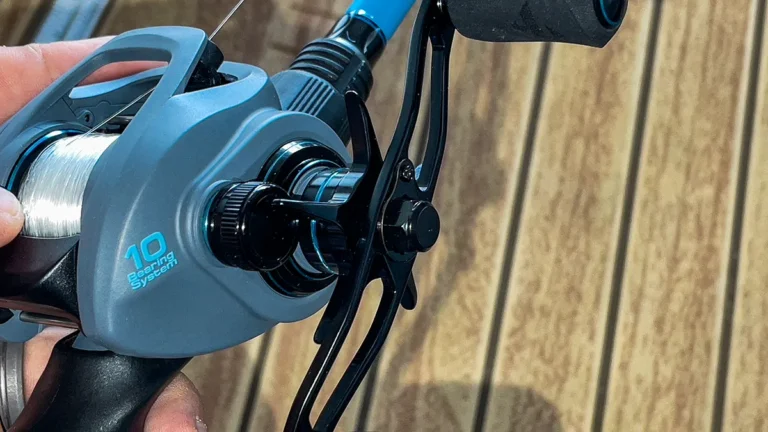
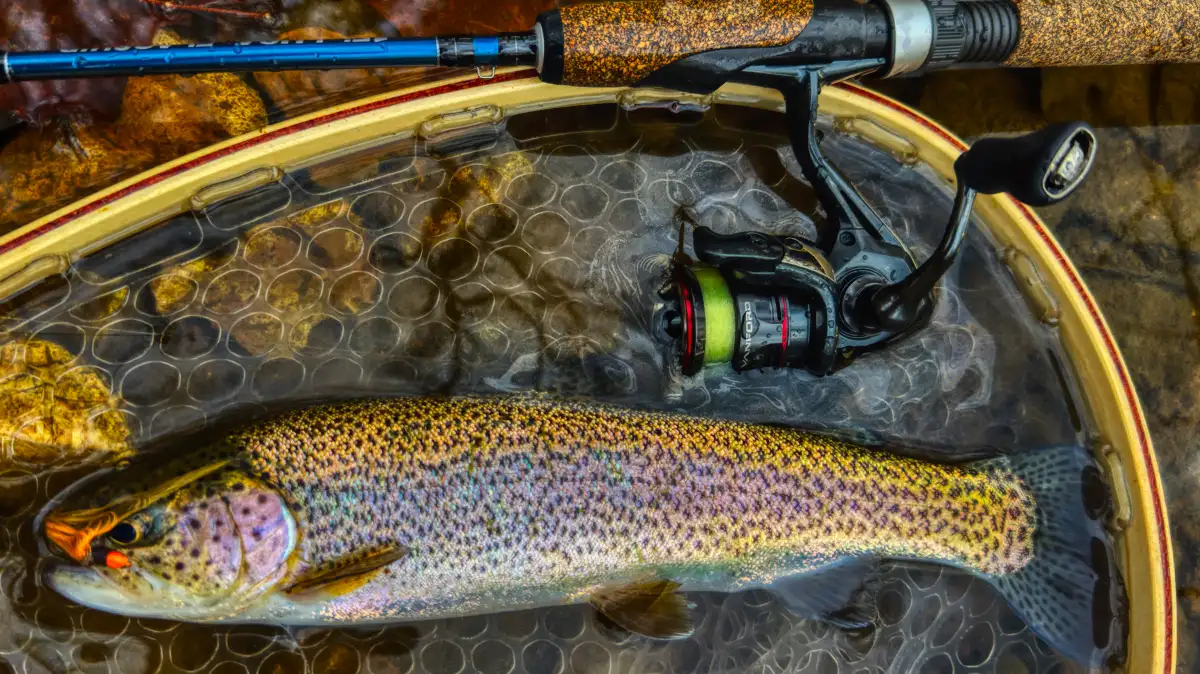
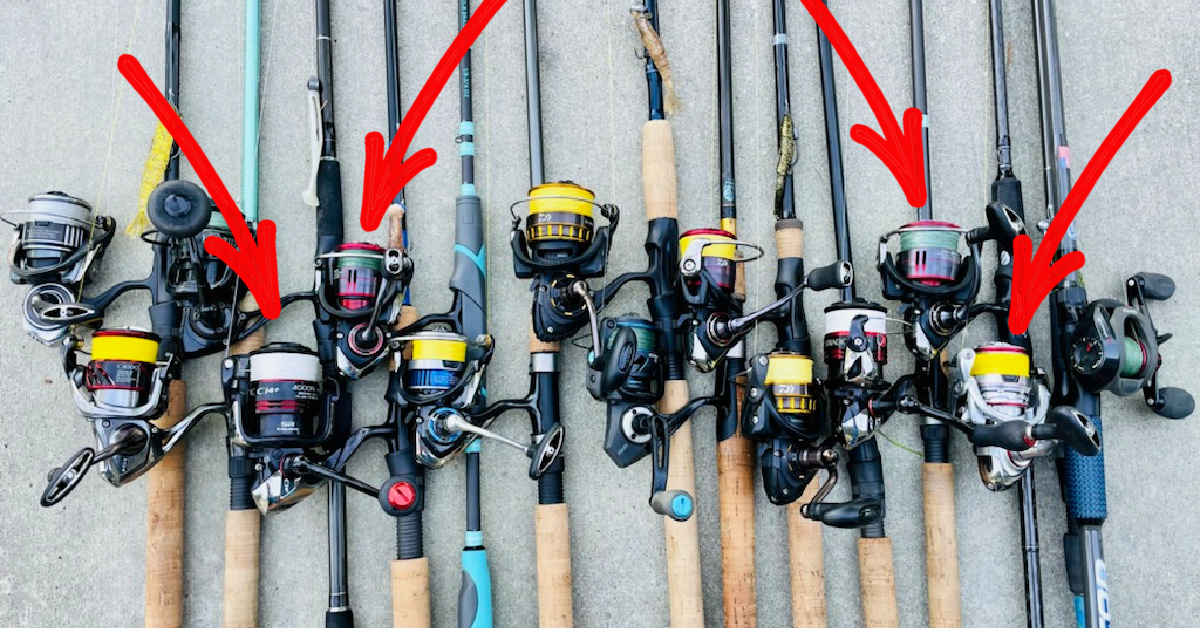
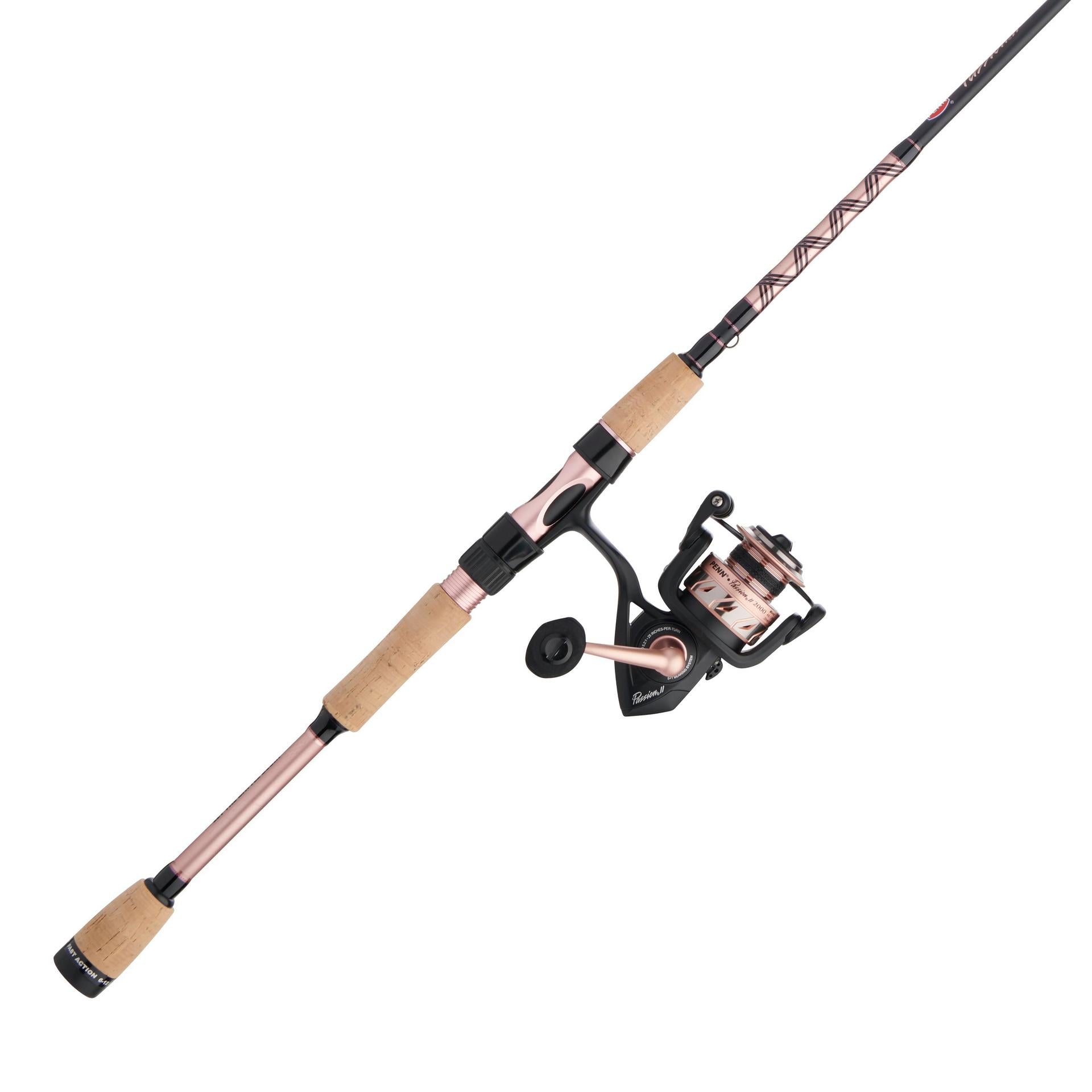
A regular rod and reel can mean many things. For trout, aim for a light- or medium-light spinning rod and a small spinning reel. Match line size to the rod and to local trout size; 4–8 lb test is a common range. I often use a 6-foot, medium-light rod and a size 2000 reel for rivers and small lakes.

Can you use a regular rod and reel for trout fishing — pros and cons
Pros:
- Simplicity: a regular rod and reel is easy to cast and learn on.
- Versatility: it handles small lures, bait, and light jigs.
- Cost: good setups are affordable and widely available.
Cons:
- Sensitivity: some regular rods lack the tip sensitivity of dedicated trout rods.
- Power: heavy rods can spook fish or make light presentations harder.
- Line control: if the reel has poor drag, you may lose fish.
From my experience, a basic spinning rod and reel is fine for most trout. If you target picky trout or fish small streams, upgrade to a lighter rod and finer line.

How to rig a regular rod and reel for trout
Follow these simple steps:
- Choose line: Use 4–8 lb monofilament or fluorocarbon for clear water. Use braided line with a fluorocarbon leader in heavy cover.
- Attach a small hook or swivel: size 8–14 hooks work well for bait or small flies. Use a small swivel to prevent line twist.
- Add weight: split shot or a small jig can help your bait reach the strike zone. Keep weight light for natural drift.
- Tie solid knots: use an improved clinch knot or Palomar knot for reliability.
These steps make a regular rod and reel perform like a trout-specific outfit. I share this setup with new anglers and they catch fish fast.

Techniques and baits that work with a regular rod and reel
Use these proven methods:
- Drift bait: cast upstream and let bait drift naturally. Keep line tight and watch for subtle tugs.
- Light lures: small spinners, spoons, and soft plastics mimic trout prey. Cast beyond visible fish and reel slowly.
- Jigging: small jigs work well near structure. Use short lifts and pauses.
- Topwater: in low light, tiny poppers and foam bugs can trigger explosive strikes.
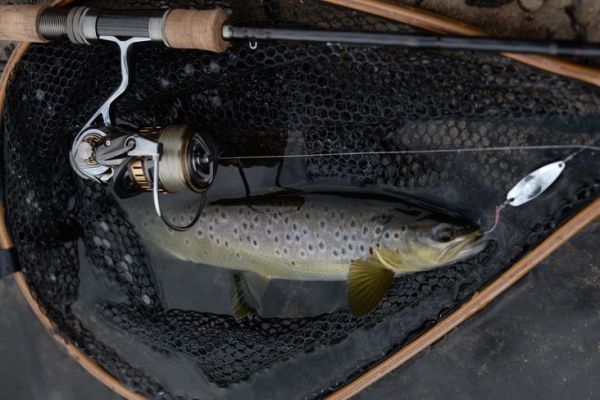
I once landed several brook trout on a small spinner with a plain spinning reel. The trick was slow retrieves and light line. That shows how effective a regular rod and reel can be.

Line, drag, and reel maintenance for trout fishing
Keep gear tuned for the best results:
- Set drag light: trout are small. Light drag reduces broken tippets and pulled hooks.
- Check line often: replace line that shows wear or memory. Fresh line improves casts.
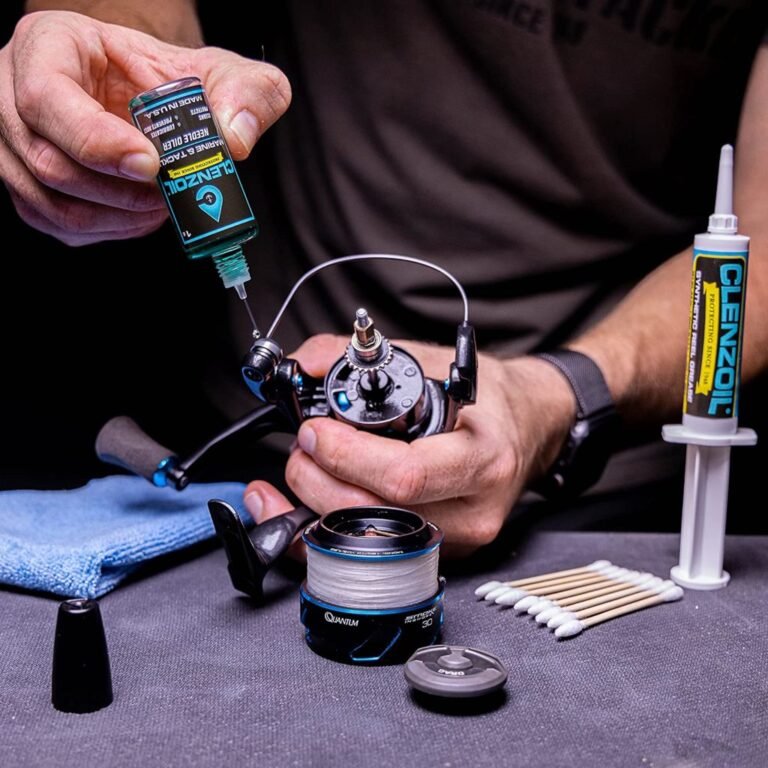
- Clean the reel: rinse with fresh water after use, dry, and apply light oil. A smooth reel reduces missed strikes.
- Spool match: don’t overload the reel. Fill it to the recommended capacity.
I learned the hard way that a sticky drag loses fish. A quick reel clean before a trip saves frustration and lost catch.
When a regular rod and reel is not enough
There are times to upgrade:
- Big trout: if you target large lake trout or trophy browns, move to heavier gear.
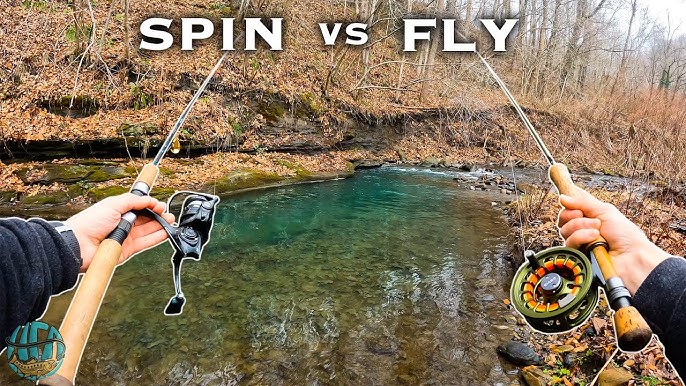
- Delicate presentations: ultralight rods or fly gear are better for picky trout in clear, cold water.
- Long casts: surf or big-lake fishing often needs specialized rods and reels.
If you fish varied waters, start with a regular rod and reel and add specialized gear as you learn what the water demands.
Practical tips, mistakes to avoid, and real-life lessons
Practical tips:
- Match the rod length to the water: short rods for tight streams, longer rods for open water.
- Keep tackle simple: fewer moving parts mean fewer things to go wrong.
- Watch the fish: trout behavior tells you when to change bait or speed.
Common mistakes:
- Using too heavy line: this reduces bites and spooks trout.
- Overpowering fish: let the rod do the work and use smooth pressure.
- Ignoring local rules: check size and bag limits before fishing.
My best tip: practice gentle casts on dry land. Good casts with a regular rod and reel beat expensive gear when you need accuracy.
Can you use a regular rod and reel for trout fishing: other factors to consider
Think about these:
- Water clarity: clear water needs lighter line and finesse. Regular gear can work if you adapt.
- Fish pressure: in pressured waters, small changes in presentation matter more.
- Season: spring and fall often allow more forgiveness in gear choice than summer.
Adapting your approach helps any regular rod and reel succeed.
Frequently Asked Questions of can you use a regular rod and reel for trout fishing
Will a regular spinning rod catch trout?
Yes. A regular spinning rod matched with light line and small lures will catch trout in most settings. Adjust rod action and line for better sensitivity.
Can I use a baitcaster for trout instead of a regular spinning reel?
You can, but baitcasters are harder to cast light lures with. For most trout work, a spinning reel is easier and more forgiving.
Is heavy line OK for trout on a regular rod and reel?
Heavy line can reduce bites and hide subtle strikes. Use lighter line when water is clear and fish are wary.
Do I need a special knot for trout?
No single knot is required, but strong knots like the Palomar and improved clinch are reliable for trout fishing. Test knots before you fish.
How much drag should I set on a regular reel for trout?
Set drag light to medium so trout can run without breaking line. A steady click or two of resistance often works well.
Can I trout fish from shore with a regular rod and reel?
Absolutely. Shore fishing often favors a regular rod and reel for its reach and ease of use. Cast beyond visible structure and retrieve slowly.
Conclusion
A regular rod and reel can handle most trout situations if you match line, lure, and technique to the water and fish. Start simple, tune your setup with light line and good knots, and learn to read trout behavior. Try the tips here on your next trip, test small changes, and share what works for you. If this guide helped, subscribe for more fishing tips or leave a comment with your best trout story.