Trout change feeding depth and bite patterns when barometric pressure rises, falls, or stays steady.
I write from years on rivers and lakes, blending field tests, angler reports, and science to explain how does barometric pressure affect trout fishing. This guide breaks the topic into clear parts: what barometric pressure is, how trout respond, when to fish, tackle choices, and practical tips you can use on your next trip. Read on for simple, proven advice that helps you catch more trout by reading the sky and your barometer.

How does barometric pressure affect trout fishing: the basics
Barometric pressure is the weight of the air above a spot. It changes with weather. Trout sense pressure changes through their swim bladder and behavior. When pressure shifts, trout adjust depth, feeding timing, and activity.
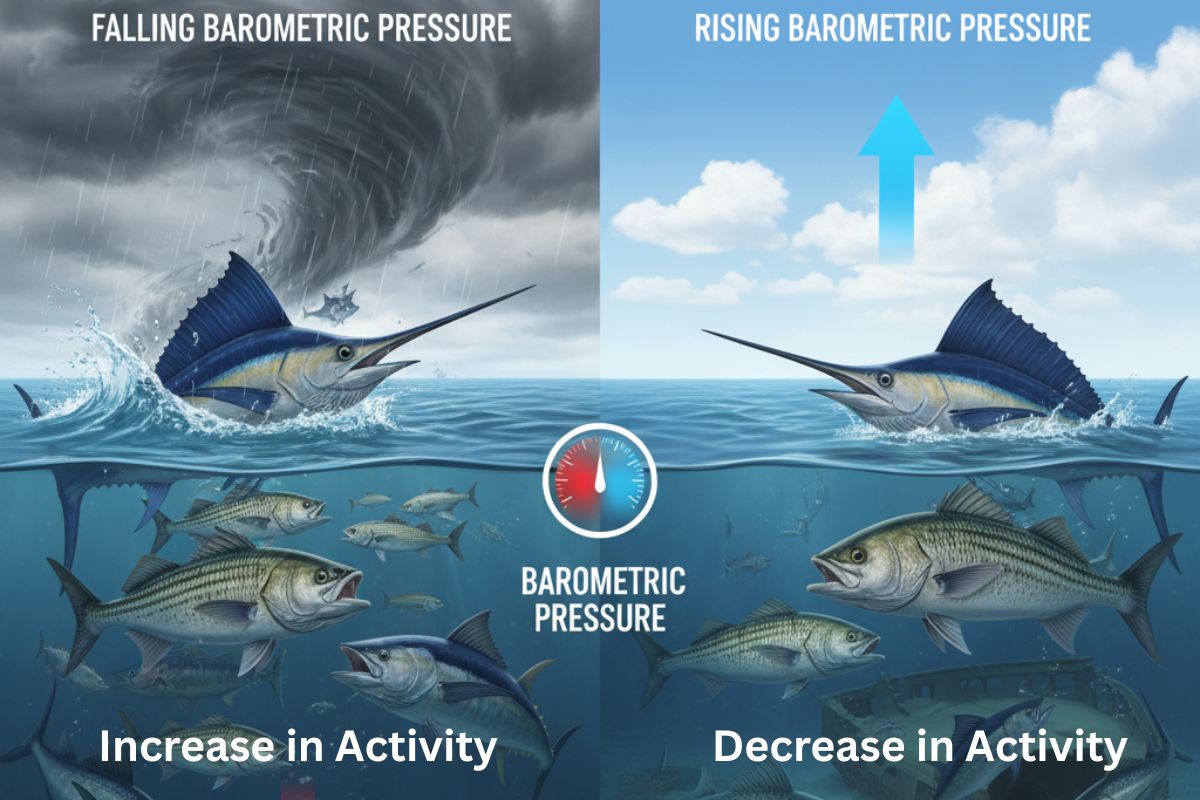
Rising pressure usually follows clear weather. Trout often move deeper and slow their bite. Falling pressure often comes before storms. Trout can feed more actively for a short window when pressure starts to drop.
How does barometric pressure affect trout fishing in plain terms? Fish are more likely to feed aggressively during falling or stable pressure than during a steady high-pressure stretch. By learning these patterns, you can time outings and pick the right gear.

How barometric pressure affects trout behavior and physiology
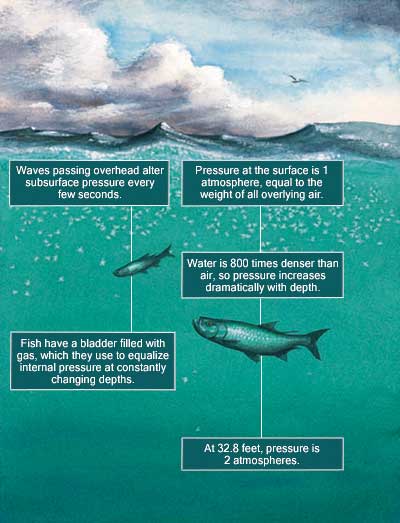
Trout have a swim bladder that senses pressure. When air pressure drops, the bladder expands slightly. That makes trout change depth to rebalance buoyancy. When pressure rises, the bladder compresses and trout may pull deeper to find comfort.
Pressure shifts also link to oxygen and prey movement. Low pressure can stir insects and dislodge aquatic life. That can trigger short feeding frenzies. High pressure can tighten feeding windows and make trout more cautious.
Watch for these signs on the water. If cloud cover increases and the barometer falls, expect more feeding near the surface or in current seams. If the barometer climbs and the sky clears, expect deeper, slower trout.
Reading barometric pressure: tools and trends
Use a compact digital barometer, a phone app, or local weather reports. Track the trend, not the raw number. Three main trends matter:
- Rising pressure indicates clearing skies and less active feeding.
- Falling pressure often brings more active feeding for a time.
- Steady pressure means patterns stay similar; short-term bite windows are possible.
Record pressure at the start and end of each trip. Over time you’ll see local patterns. Small rivers respond quickly. Big lakes show delayed responses. This habit helps you predict how trout will behave next time.

Tactics for fishing under different barometric conditions
How does barometric pressure affect trout fishing tactics? Match presentation and depth to behavior.
Falling pressure tactics:
- Use brighter, active lures and flies to trigger feeding.
- Fish shallower water and tight to current edges.
- Cast more often; trout may bite fast and then slow as the storm nears.
Rising pressure tactics:
- Slow presentations work best: subtle nymph rigs, weighted flies, or slow-rolled streamers.
- Fish deeper runs, pools, and structure.
- Downsize your profile and use lighter leaders to tempt cautious trout.
Steady pressure tactics:
- Stick to what works locally. Focus on timing—early morning and late afternoon can be best.
- Try varied retrievals to find what trout prefer that day.
Test one change at a time. I often adjust depth first, then lure size. That method finds what trout want faster.
Seasonal and water-body differences
How does barometric pressure affect trout fishing in different waters and seasons? The answer varies.
In spring, melting snow and cool water means higher flows and hungry trout. Falling barometer can mean great surface action. In summer, warm water lowers oxygen; trout go deep during high pressure and feed in cooler areas. In autumn, changing weather makes trout opportunistic; falling pressure often sparks good feeding.
Rivers respond faster to pressure changes than lakes. Small streams show immediate fish movement. Large reservoirs buffer pressure effects and also change with thermoclines. Learn your local water to apply pressure cues correctly.

Personal experience: field-tested lessons
I learned early that how does barometric pressure affect trout fishing matters more than I expected. One trip in late spring taught me this: a sudden barometer drop brought a two-hour topwater bite on a river that had been quiet all week. I switched to a floating line and a small dry fly and caught fish fast.
Another trip on a clear, high-pressure summer day showed the opposite. Trout were deep and picky. I switched to tiny nymphs and slow drifts and caught the few bites that showed up. These simple tests taught me to change depth and presentation first.
A few lessons I share:
- Track trends, not absolute numbers.
- Change depth before changing color or style.
- Keep a log. Small habits lead to consistent wins.
Common misconceptions and limitations
Some anglers think barometric pressure rules every bite. That is not true. Pressure is one factor among many. Water temperature, light, flow, and food availability also drive trout behavior.
Also, barometers show trends, not exact fish moods. A falling barometer may mean a bite window, but not always. Local geography, hatch cycles, and recent weather can change outcomes. Be flexible and use pressure as a tool, not a guarantee.

Frequently Asked Questions of how does barometric pressure affect trout fishing
How soon do trout react to barometric pressure changes?
Trout can react within minutes to hours. Small streams show faster reactions; large lakes respond more slowly.
Should I cancel a trip if the barometer is high?
No. High pressure can mean deeper, slower fish. Change tactics rather than cancel. Early morning or evening can still produce fish.
What lures work best when pressure is falling?
Active, brighter lures and surface flies often work well. Trout become more aggressive for a short period during a pressure drop.
How does steady pressure affect bite windows?
Steady pressure often means consistent patterns. Bite windows may follow normal daily rhythms like dawn and dusk.
Can barometric pressure affect trout in winter?
Yes. In winter, high pressure usually pushes trout deeper and slows feeding. Low or falling pressure can bring brief increases in activity.
Do trout feel barometric pressure through the swim bladder?
Yes. The swim bladder senses pressure changes and influences depth and behavior. This physiological link helps explain many fish responses.
How do I log barometric pressure for fishing?
Record date, location, start and end barometer trend, water temp, and what worked. Over months, patterns emerge and help plan trips.
Conclusion
Barometric pressure is a practical tool for trout anglers. It helps predict depth, feeding timing, and presentation choices. Use simple tracking, test one change at a time, and adapt to local water. Try a short log of pressure and results over the next few outings and notice the difference in success. Share your experiences or ask a question below to keep learning together.