If you are searching for spinning reel bail arm becoming loose how to fix, the problem is usually easier to solve than many anglers expect. A loose bail arm can make casting harder, affect line control, and even cause line problems during a fishing trip. Many anglers in the United States face this issue after regular use in saltwater, freshwater, or rough outdoor conditions.
From working with fishing reels and troubleshooting common failures, I have found that most loose bail arms come from simple mechanical issues. A loose screw, worn washer, weak spring, or damaged bail hinge can often be repaired without buying a new reel. The key is finding the exact cause before tightening random parts.
Why Does a Spinning Reel Bail Arm Become Loose?
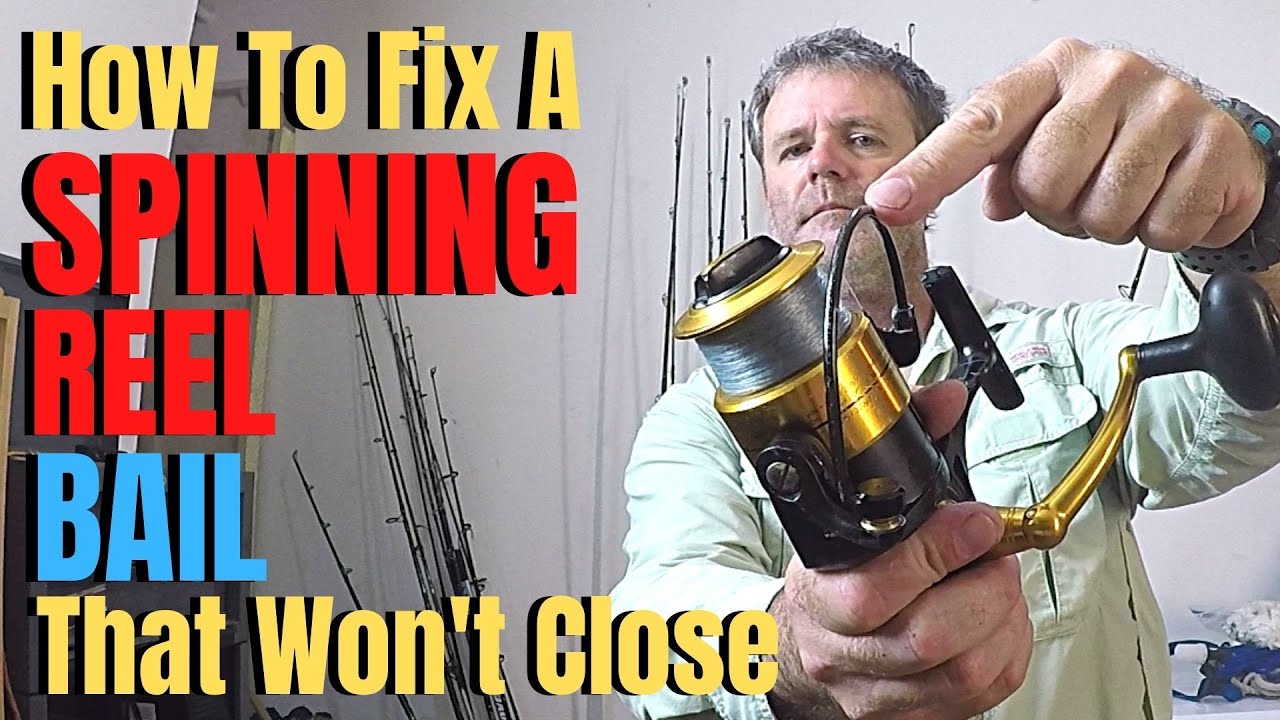
Understanding the cause is the first step in learning spinning reel bail arm becoming loose how to fix. The bail arm is a moving part that opens and closes around the spool. Over time, repeated movement can loosen screws, wear connection points, or damage internal parts.
Fishing reels often face water, sand, dirt, and pressure from heavy catches. Saltwater is especially tough on metal parts because corrosion can slowly weaken screws and joints. A reel that feels loose today may become harder to use if the problem is ignored.
- ✦ Loose bail arm screws
The screws that hold the bail arm assembly can slowly back out from vibration and repeated casting.
- ✦ Worn bail hinge parts
The hinge area may develop extra movement when washers, bushings, or pins become worn.
- ✦ Damaged bail spring
A weak or broken spring can make the bail arm feel unstable or fail to return correctly.
- ✦ Corrosion buildup
Rust and salt deposits can reduce the strength and smooth movement of the bail system.
Signs Your Bail Arm Has a Problem
A loose bail arm often gives warning signs before it completely fails. You may notice extra movement, clicking sounds, uneven closing, or a bail that does not sit firmly in place.
- ✦ Side-to-side movement
The bail arm moves more than normal when touched.
- ✦ Poor line control
The reel may create line twists or uneven line pickup.
Tools You Need to Fix a Loose Spinning Reel Bail Arm
Before starting the repair, prepare the correct tools. Using the wrong screwdriver or forcing small parts can damage the reel body or strip screws.
Most spinning reel bail repairs need only simple household tools. A clean workspace also helps because bail springs and small screws are easy to lose.
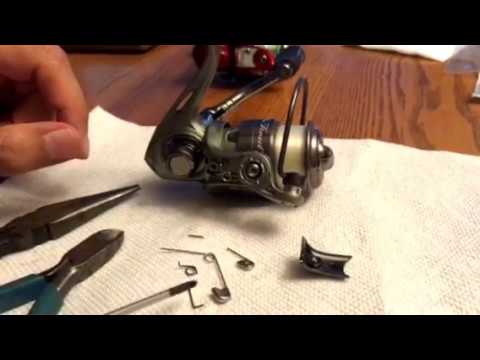
- ✦ Small screwdriver set
Use the correct size screwdriver to remove and tighten reel screws safely.
- ✦ Reel lubricant
A small amount of reel-safe oil helps restore smooth movement after cleaning.
- ✦ Soft cloth and brush
These remove dirt, salt, and debris from the bail mechanism.
- ✦ Replacement parts if needed
Washers, screws, springs, or bail assemblies may be needed for damaged reels.
Step-by-Step Guide: Spinning Reel Bail Arm Becoming Loose How to Fix
The repair process starts with inspection. Do not immediately tighten every screw because some loose movement may come from worn internal parts. Check each connection point carefully.
This method works for many common spinning reel brands used by American anglers. However, reel designs vary, so always check your reel manual before removing major components.

- ✦ Step 1: Remove dirt and debris
Clean around the bail hinge and screws before making adjustments.
- ✦ Step 2: Check bail screws
Use the correct screwdriver to gently tighten loose screws.
- ✦ Step 3: Inspect washers and hinges
Look for damaged parts that create extra movement.
- ✦ Step 4: Test the reel
Open and close the bail several times to confirm proper operation.
How to Tighten a Loose Bail Arm Screw
Place the reel on a stable surface and hold the bail arm firmly. Tighten the screw slowly until the movement feels secure, but avoid over-tightening because small reel screws can strip easily.
After tightening, move the bail arm by hand. It should feel firm but still move smoothly without resistance.
- ✦ Avoid excessive force
Over-tightening can damage threads and make future repairs harder.
How to Fix a Loose Bail Arm Caused by Worn Parts
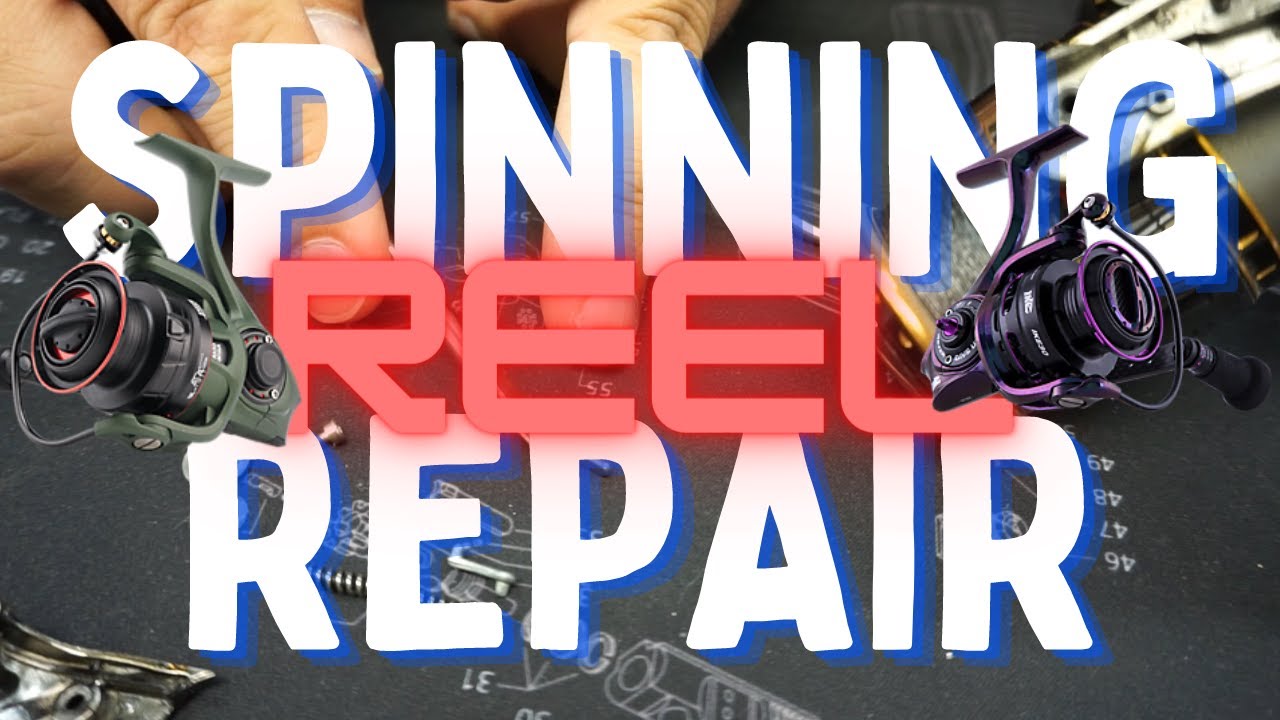
Sometimes tightening screws does not solve the problem. If the bail arm still moves too much, the reel may have worn internal parts. Common replacements include bail springs, washers, hinge plates, and screws.
Replacing small parts can extend the life of an expensive spinning reel. Many anglers repair these issues instead of replacing the entire reel, especially when the gear system still works well.
- ✦ Replace worn washers
New washers can remove extra space and restore a tighter fit.
- ✦ Replace damaged springs
A new spring can restore proper bail movement and closing force.
- ✦ Check the bail wire
A bent bail wire can create uneven pressure and loose movement.
When Should You Replace the Entire Bail Assembly?
If the bail arm is cracked, badly bent, or the hinge area is damaged, replacing the full assembly may be the better choice. A damaged bail can affect safety because it controls how line moves during casting.
For older reels with unavailable parts, replacement may not be practical. In that case, comparing repair cost with a new reel is a smart option.
Common Mistakes When Repairing a Loose Spinning Reel Bail Arm
Many reel problems become worse because anglers rush the repair. A spinning reel contains small parts that need careful handling. Taking a few extra minutes can prevent expensive damage.
When learning spinning reel bail arm becoming loose how to fix, focus on gentle adjustments rather than force. Good repairs protect the reel and keep it reliable for future fishing trips.
- ✦ Using the wrong tools
Incorrect tools can damage screws and make repairs more difficult.
- ✦ Skipping cleaning
Dirt and salt can hide the real cause of the loose bail arm.
- ✦ Adding too much oil
Excess lubricant can attract dirt and affect reel performance.
How to Prevent Future Bail Arm Problems
Preventive care is the easiest way to avoid repeating the same repair. A few minutes of maintenance after fishing can protect your reel from corrosion and wear.
Anglers who fish near oceans, lakes, and rivers should inspect their reels often. Small problems are cheaper and easier to fix before they become major failures.

- ✦ Rinse after saltwater fishing
Fresh water removes salt that can damage screws and moving parts.
- ✦ Store reels properly
Keep reels dry and protected from moisture when not in use.
- ✦ Check screws regularly
A quick inspection can catch loose parts early.
Frequently Asked Questions about spinning reel bail arm becoming loose how to fix

fishingscouty
Contributor