If your fishing reel handle moves backward when you set the hook, the anti reverse system is likely failing. This problem can happen on spinning reels, baitcasting reels, and many saltwater models. The good news is that many anti reverse issues can be fixed at home with basic tools and careful cleaning.
After years of handling fishing gear, one lesson becomes clear: most reel failures start with small maintenance problems. Salt, sand, old grease, and moisture can slowly damage the anti reverse clutch. This guide explains fishing reel anti reverse failing how to fix in a simple way that works for many common reel designs.
What the Anti Reverse System Does on a Fishing Reel
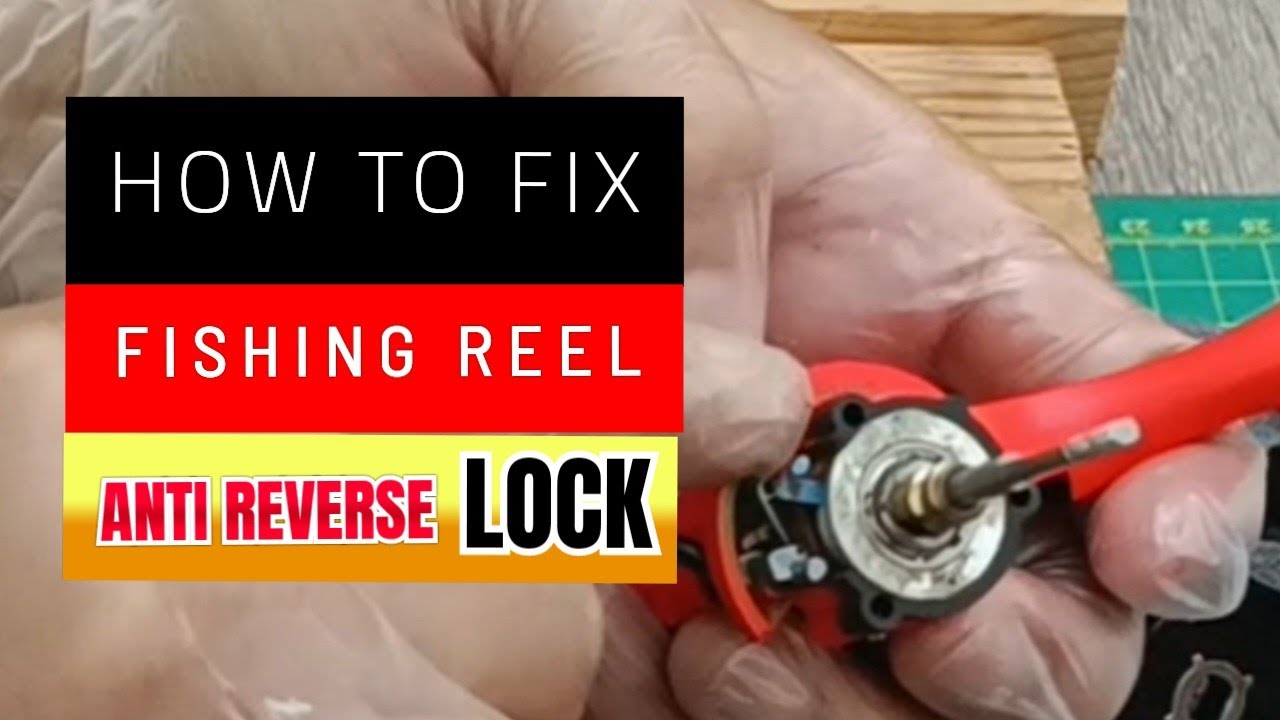
The anti reverse system stops the reel handle from turning backward. It allows you to set the hook with power and keeps steady pressure on a fish during a fight.
Most modern reels use a one-way roller bearing or anti reverse clutch. When this part works correctly, the handle moves only forward. When it fails, the handle may slip backward or feel loose.
- ✦ One-way bearing
This bearing locks in one direction and allows smooth forward rotation.
- ✦ Anti reverse switch
This switch controls whether the locking system is active on reels that include a manual option.
- ✦ Clutch sleeve
This part connects the handle movement with the locking system.
Common Signs Your Fishing Reel Anti Reverse Is Failing
Before learning fishing reel anti reverse failing how to fix, you need to identify the exact problem. A wrong diagnosis can lead to unnecessary part replacement.
A failing anti reverse system usually gives clear warning signs. These signs may appear slowly or happen suddenly after exposure to water, dirt, or heavy use.

- ✦ Handle moves backward
The most common sign is unwanted reverse movement when pressure is applied.
- ✦ Clicking or slipping sounds
A damaged clutch may create unusual clicking noises during rotation.
- ✦ Delayed locking
The reel handle may move slightly before the anti reverse catches.
Main Causes of Fishing Reel Anti Reverse Failure
Most anti reverse problems are caused by contamination, wear, or incorrect maintenance. Fishing reels often face harsh conditions, especially during saltwater trips in coastal areas of the United States.
Understanding the cause helps you choose the right repair method instead of replacing the entire reel.

- ✦ Dirt and sand buildup
Small particles can stop the clutch rollers from moving correctly.
- ✦ Too much grease
Heavy grease inside a one-way bearing can prevent the locking action.
- ✦ Water damage
Moisture can cause rust and reduce bearing performance.
- ✦ Worn anti reverse bearing
Old or damaged bearings may no longer lock firmly.
Why Saltwater Causes More Anti Reverse Problems
Saltwater fishing creates extra stress on reel parts. Salt crystals can enter small spaces and damage precision components. Rinsing and drying your reel after each trip helps prevent long-term failures.
- ✦ Rinse after fishing
Use fresh water to remove salt from the outside of the reel.
Fishing Reel Anti Reverse Failing How to Fix Step by Step
The best repair approach starts with simple checks. Many anglers fix anti reverse issues without replacing parts.
Work slowly and keep track of every screw and component. Small reel parts are easy to lose during repair.
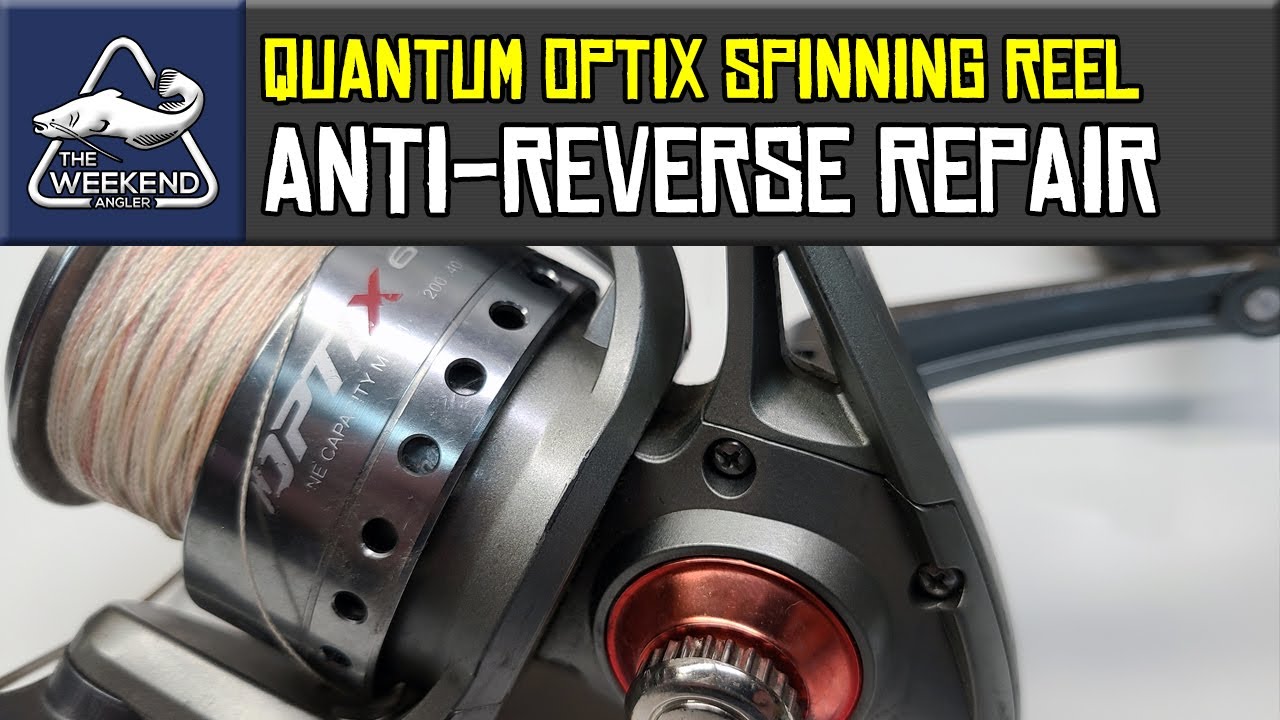
- ✦ Step 1: Remove the spool and handle
Take apart only the sections needed to reach the anti reverse area.
- ✦ Step 2: Inspect the clutch area
Look for dirt, corrosion, damaged rollers, or unusual wear.
- ✦ Step 3: Clean the bearing
Use reel cleaner or suitable solvent to remove old oil and debris.
- ✦ Step 4: Apply light lubricant
Use only a small amount of reel oil because excess lubricant can cause slipping.
When Cleaning Does Not Solve the Problem
If the anti reverse still slips after cleaning, the internal bearing or clutch may be damaged. In this case, replacing the part is usually the most reliable solution.
- ✦ Replace damaged parts
Use the correct replacement bearing or clutch made for your reel model.
Tools Needed for Anti Reverse Reel Repair
You do not need a professional workshop to repair many anti reverse problems. A small set of fishing reel tools is enough for basic maintenance.
Using the correct tools prevents damage to delicate reel parts.

- ✦ Small screwdriver set
Helps remove reel covers and small screws safely.
- ✦ Reel oil and cleaner
Keeps moving parts clean and working smoothly.
- ✦ Tweezers
Useful for handling small springs and clips.
How to Prevent Future Anti Reverse Problems
Regular care is the easiest way to avoid repeating the same repair. A few minutes of maintenance after fishing trips can extend reel life.
Many anglers only service reels when something breaks. A simple routine keeps the anti reverse system reliable for years.

- ✦ Clean after saltwater use
Remove salt and moisture before storing your reel.
- ✦ Avoid over lubrication
Too much oil can attract dirt and affect clutch performance.
- ✦ Store reels properly
Keep reels dry and protected from extreme heat or humidity.