baitcasting reel backlash problems how to troubleshoot is one of the most common questions among anglers in the United States. Many beginners experience a tangled line mess, often called a bird nest, after a powerful cast. The good news is that most backlash problems come from simple setup mistakes and can be fixed without buying a new reel.
After working with baitcasting reels, I have found that patience and small adjustments make the biggest difference. A baitcaster is built for accuracy and power, but it requires the spool, brakes, and thumb control to work together. This guide explains how to find the cause and fix the problem step by step.

Understanding why baitcasting reels get backlash
To understand baitcasting reel backlash problems how to troubleshoot, you first need to know what causes a backlash. A baitcaster spool rotates during a cast. If the spool keeps spinning after the lure slows down, the extra line has nowhere to go and creates a tangled loop.
Backlash is not always caused by a bad reel. It often happens because the reel settings do not match the lure weight, wind conditions, or casting style. Even experienced anglers can get backlash when changing lures or fishing conditions.
- ✦ Spool speed is too high
A fast-spinning spool releases more line than the lure can pull, creating loose loops and tangles.
- ✦ Brake settings are too low
Low brake settings allow the spool to spin freely but require better thumb control.
- ✦ Wrong lure weight
Very light lures may not pull line fast enough, causing the spool to overrun.
The difference between normal and severe backlash
A small loop near the spool is easy to remove and usually happens during learning. A deep backlash can lock several layers of line together and may require careful removal with a hook or tweezers.
- ✦ Light backlash
Usually caused by minor spool overrun and can be fixed within seconds.
- ✦ Deep backlash
Usually requires slowly pulling apart tight line layers to avoid damage.
Check and adjust your baitcaster reel settings
One of the most important steps in baitcasting reel backlash problems how to troubleshoot is checking your reel settings before casting. Every reel needs proper adjustment based on the lure, line, and fishing situation.
Many anglers make the mistake of opening the brakes too much because they want longer casts. A controlled cast with fewer backlashes is usually better than a longer cast that ends with a tangled spool.

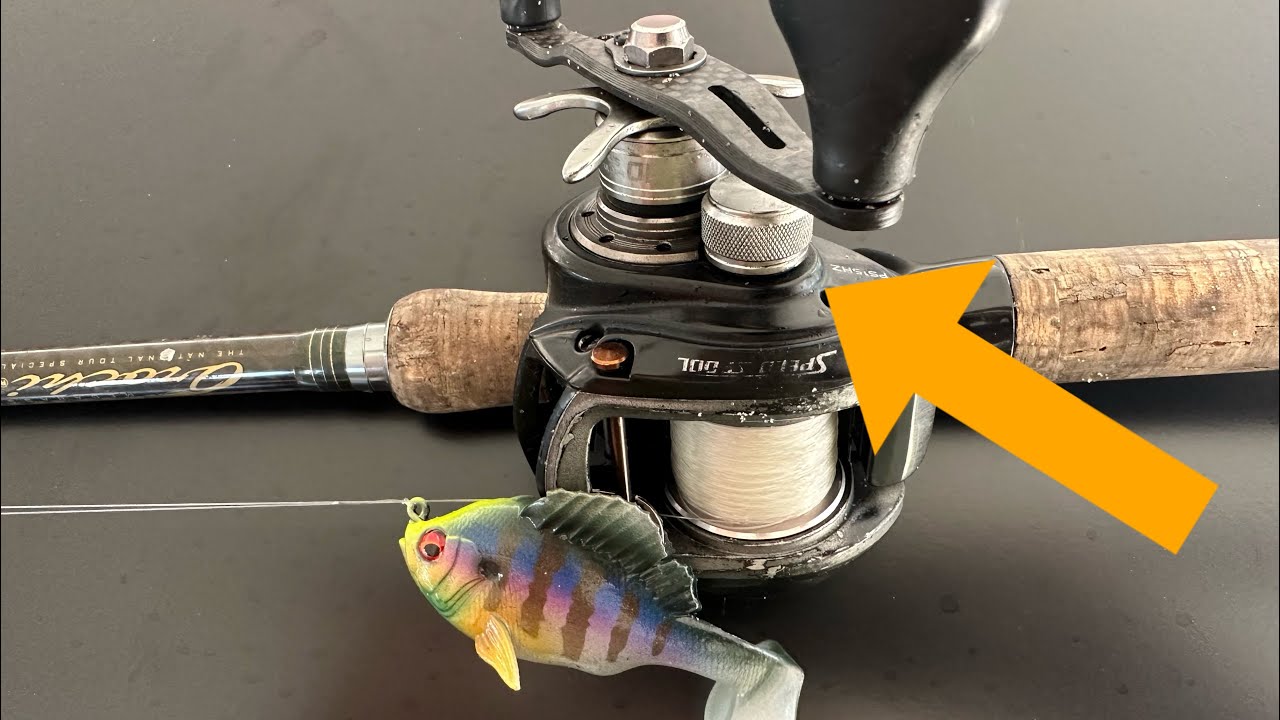
- ✦ Adjust spool tension
Tighten the spool tension knob until side-to-side spool movement is removed while keeping smooth lure drop.
- ✦ Set magnetic or centrifugal brakes
Increase brake strength when learning or fishing in wind. Lower it slowly as your control improves.
- ✦ Match settings to lure weight
Heavy lures need different settings than lightweight plastics or small crankbaits.
How to fix a baitcasting reel backlash step by step
When a backlash happens, avoid pulling the line with force. Strong pulling can tighten the knots and make the problem worse. The goal is to gently release the trapped loops.
For baitcasting reel backlash problems how to troubleshoot in real fishing situations, a calm approach works best. Most tangles can be removed if you take your time.

- ✦ Stop the spool
Place your thumb on the spool immediately when you feel the reel start to overrun.
- ✦ Pull loose line first
Remove loose loops before trying to pull deeper sections of the tangle.
- ✦ Use a tool if needed
A small hook or tweezers can help separate tight knots without cutting the line.
Avoid cutting the line too quickly
Many anglers cut the line too early when facing backlash. In many cases, the line is not damaged and only needs careful untangling. Saving the line also prevents unnecessary re-spooling.
Common casting mistakes that create backlash
Casting technique plays a major role in baitcaster performance. A sudden, aggressive cast can make the spool accelerate faster than the lure can move.
When learning baitcasting reel backlash problems how to troubleshoot, focus on smooth movement instead of maximum distance. A controlled cast builds better habits.

- ✦ Casting too hard
Using too much power creates fast spool acceleration and increases the chance of line overflow.
- ✦ Poor thumb control
Your thumb acts as a manual brake and should lightly control the spool during the cast.
- ✦ Ignoring wind direction
Casting into strong wind slows the lure while the spool continues spinning.
Line problems that cause baitcasting reel backlash
The fishing line itself can contribute to repeated backlash. Line type, spool fill level, and memory all affect how smoothly the reel performs.
A properly filled spool improves casting control. Too much line creates loose loops, while too little line reduces casting distance.
- ✦ Overfilled spool
Leave a small gap between the line and the spool edge to reduce accidental overruns.
- ✦ Wrong line type
Some stiff lines create more friction and may increase tangles for beginners.
- ✦ Old damaged line
Replace worn line because weak sections can create inconsistent casting.
Preventing future baitcasting reel backlash problems
The best solution is preventing backlash before it happens. Small habits like checking settings before each lure change can save time on the water.
Many experienced anglers start with stronger brake settings and reduce them slowly. This approach helps develop casting control without constant frustration.
- ✦ Practice with heavier lures
Medium-weight lures are easier to control while learning baitcaster techniques.
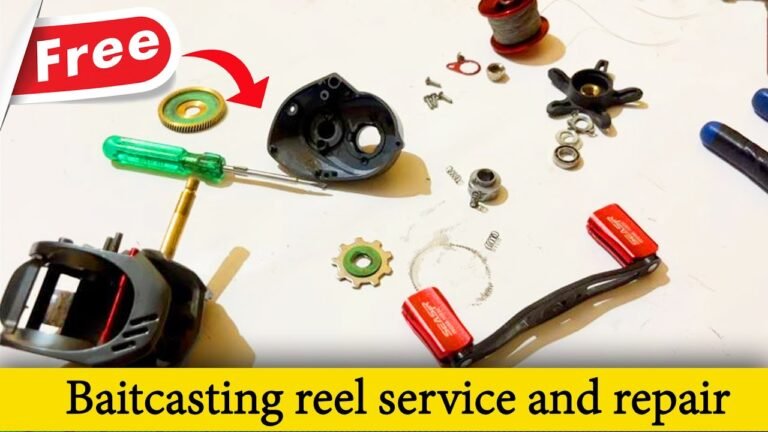
- ✦ Clean your reel regularly
Dirt and poor lubrication can affect spool movement and casting performance.
- ✦ Practice thumb control
Better thumb timing reduces dependence on mechanical brakes.
Create a beginner-friendly reel setup
For new anglers, a balanced setup works best. Use moderate brake settings, proper spool tension, and practice short casts before trying long-distance throws.
- ✦ Start simple
Avoid extreme settings until you understand how the reel reacts.
Frequently Asked Questions about baitcasting reel backlash problems how to troubleshoot

fishingscouty
Contributor