Choose the smallest hook that securely fits your bait and matches the target fish species.
I’ve fished for over a decade and helped new anglers learn how to pick the right fishing hook size with simple, practical rules. This guide breaks down hook numbers, matches hooks to bait and species, and gives clear steps you can use on your next trip. Read on and you’ll make smarter hook choices that catch more fish.

Understanding hook sizes and numbering
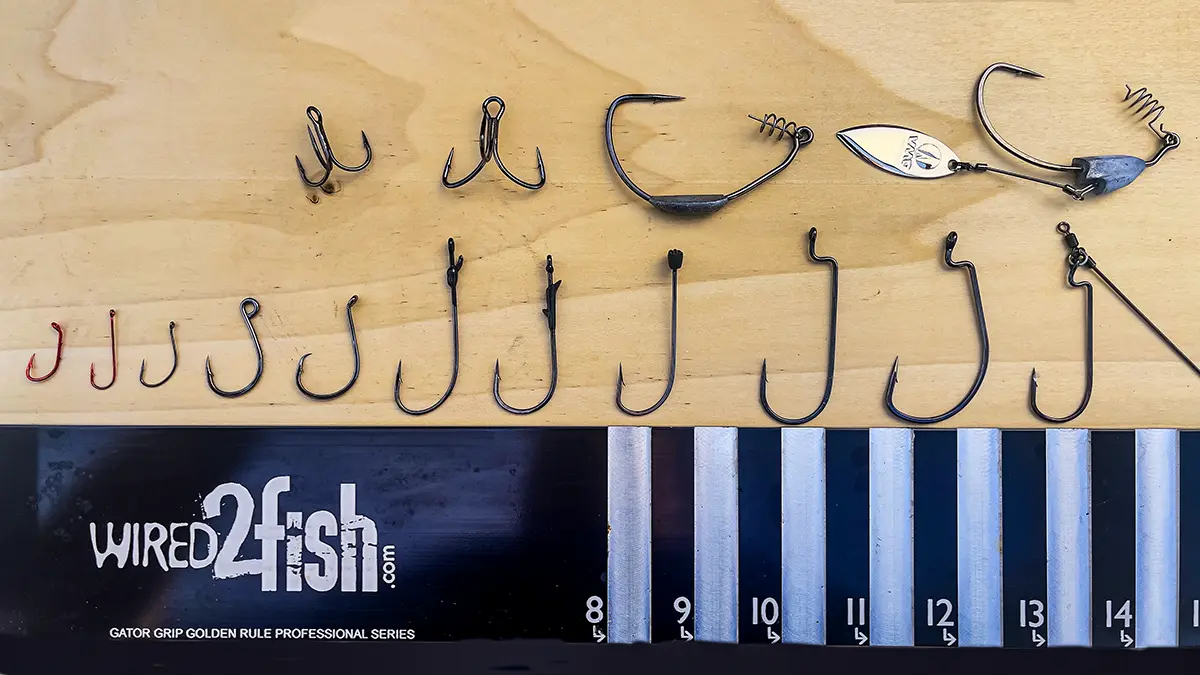
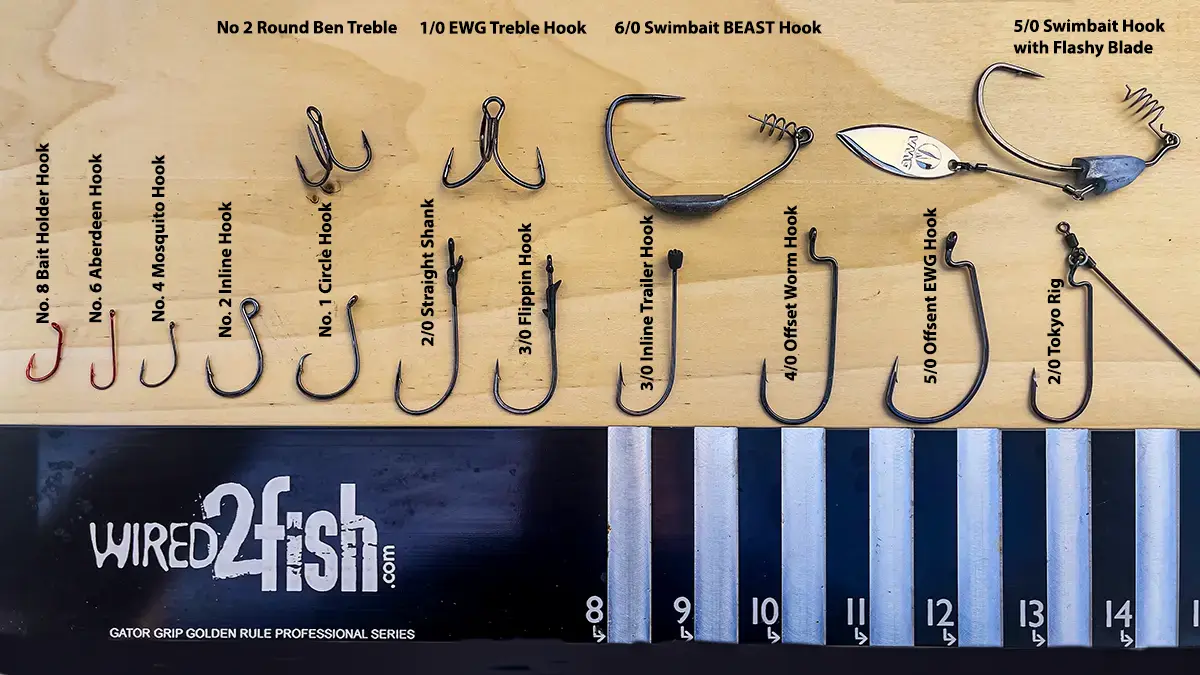
Hook sizes use two systems. Small hooks use numbers like 32 to 1. Large hooks use X after a number, like 1/0, 2/0, up to 19/0. A higher small-number (for example 1 vs 10) means a bigger hook. A higher slash-number (for example 1/0 vs 4/0) also means a bigger hook.
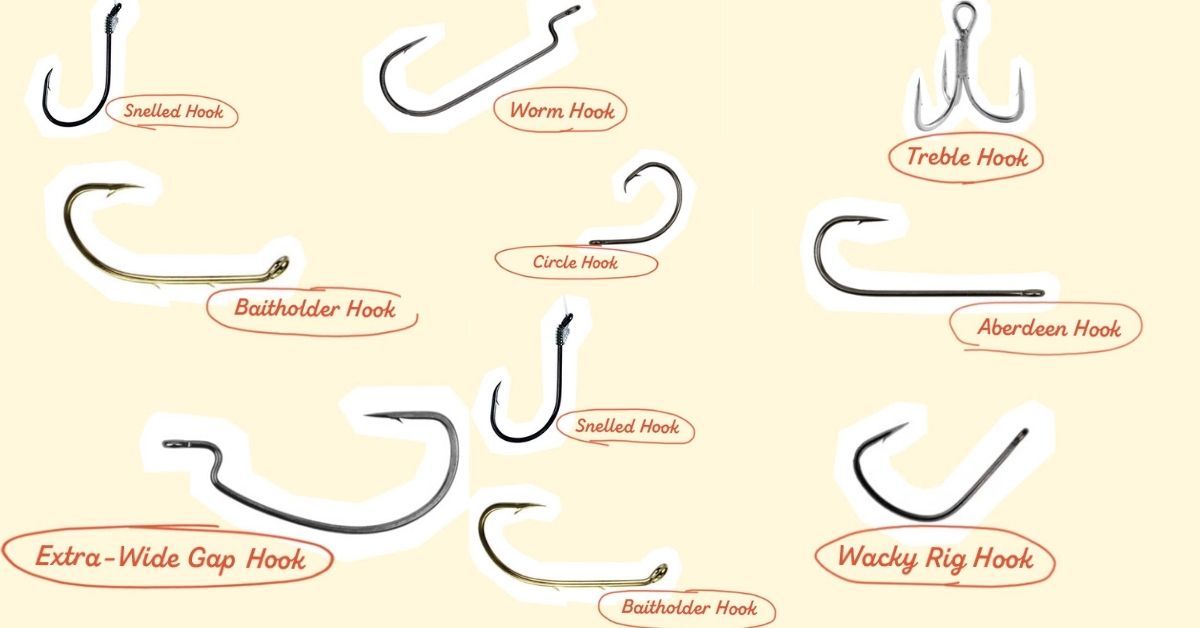
Different makers add slight size shifts. Style matters too. Circle, octopus, straight-eye, and worm hooks all sit differently in a fish’s mouth. When you learn how to pick the right fishing hook size, think both number and style.
Key factors to consider when you decide on hook size
Fish species
- Match the hook to the fish’s mouth size. Small mouths need small hooks, big mouths need bigger hooks.
Bait type
- Soft small baits need tiny hooks. Big live bait needs strong, large hooks.
- Float fishing uses different hooks than bottom rigs or live-bait rigs.
Hook strength and wire thickness
- Thin wire penetrates easier. Heavy wire resists bending and holds big fish.
Hook gap and eye type
- Wide gaps hold more bait. Offset or straight eyes change how the hook sets.
Water conditions
- Clear water and picky fish often need smaller, more natural rigs.
Personal skill and landing ability
- If you struggle to set hooks, a circle hook can reduce missed sets. Choose hooks you can handle.
When you practice how to pick the right fishing hook size, weigh all these factors together. One choice doesn’t fit every trip.

How to pick the right fishing hook size — step-by-step
- Identify the fish
- Look up common sizes for the species you want to catch.
- Pick your bait
- Match hook size to bait size. Tiny bait uses small hooks. Big bait uses big hooks.
- Choose a hook style
- Circle hooks for live bait. Trebles for lures. Worm hooks for soft plastics.
- Test on the water
- Start one size smaller than you think. If fish spit the bait, go up one size.
- Check your tackle balance
- Make sure line, rod, and hook match in strength.
Examples:
- Panfish and bluegill: sizes 8 to 14 work well.
- Trout: sizes 10 to 14 for flies and small baits.
- Bass with soft plastics: 1/0 to 4/0 wide-gap hooks.
- Saltwater inshore: 2/0 to 5/0 for most species.
- Big tuna or shark: start at 7/0 and go up.
These steps simplify how to pick the right fishing hook size. Try a couple of sizes next trip and keep notes. Small changes matter.

Common mistakes and myths about hook size
Using the biggest hook for “security”
- Too large hooks reduce bite rates. A tight bite is better than brute strength.
Assuming one size fits all
- Water, bait, and fish all change the ideal hook size. Adjust each trip.
Thinking heavier wire always wins
- Heavy wire resists bending but reduces hookups with small bait.
Ignoring hook shape
- A wrong style lowers hook-up rates even if the size is correct.
Believing numbers are universal
– Brands vary. Test the brand you use to learn its sizing quirks.
Avoid these traps when you learn how to pick the right fishing hook size. Small fixes make a big difference.
My personal tips and real-life examples
I once fished a slow summer afternoon for trout. I used a size 10 hook with a tiny worm. Fish ignored it. I switched to size 14 and started getting bites within 15 minutes. Lesson: smaller is often better for shy fish.
On a saltwater trip, I used a 3/0 for live bait on snappers. One snapper nearly bent my hook. I stepped up to a 4/0 heavy-wire hook and landed the next big fish. Lesson: match hook strength to target species.
Practical tips I use:
- Carry two nearby sizes for each bait.
- Tie a test knot and pull hard to check hook strength.
- Note what works in a small log after each trip.
These real tips will help you quickly apply how to pick the right fishing hook size. Learn fast by testing.

Hook size chart — quick reference for common species
- Bluegill, panfish: sizes 8 to 14.
- Trout: sizes 10 to 16 depending on bait.
- Crappie: sizes 6 to 10.
- Small bass: 1/0 to 2/0.
- Large bass: 3/0 to 4/0 wide-gap.
- Inshore saltwater (snook, redfish): 2/0 to 4/0.
- Offshore game fish (tuna, amberjack): 6/0 to 10/0.
- Sharks and big pelagics: 10/0 and up.
Use this chart as a starting point when thinking about how to pick the right fishing hook size. Adjust by bait and local conditions.
PAA-style quick questions
What is the best hook size for trout?
- For most trout, sizes 10 to 14 work well with small baits and live worms.
Should I use bigger hooks for bigger fish?
- Often yes, but balance is key. Use larger hooks that still let bait look natural.
Are circle hooks better for live bait?
- Circle hooks reduce gut hooks and improve landing rates for many anglers using live bait.
How does bait size affect hook choice?
- Match hook gap to bait. Small bait needs small gaps to look natural and hook well.
When should I use a wide-gap hook?
- Use wide-gap hooks for soft plastics and larger baits that need more holding space.
Frequently Asked Questions about how to pick the right fishing hook size
What hook size should I use for panfish?
For panfish, sizes 8 to 14 usually work best. Use the smallest hook that keeps your bait secure.
How do I pick a hook for live bait?
Match hook size to bait size and fish species. Use circle hooks for live bait to reduce deep hooking.
Can a hook be too big for a fish?
Yes. Too big a hook lowers bite rates and looks unnatural. Pick a size that fits the fish’s mouth.
Do hook styles matter more than size?
Both matter. Style affects how the bait sits and how the hook sets. Size controls bait fit and visibility.
How many sizes should I carry?
Carry two sizes above and two below your expected size. That range covers most surprises on the water.
Conclusion
Choosing the right hook blends simple rules and real practice. Match hook size to fish, bait, and method. Test one or two sizes and keep a short log of what works. Start small, step up when needed, and trust what you see on the water. Try the tips on your next trip, leave a comment about your results, and subscribe for more practical fishing advice.