Ice vs summer fishing: each season offers unique gear, tactics, and rewards for anglers.
I’ve spent decades on both frozen lakes and warm-water flats, so I can tell you exactly how ice vs summer fishing differ, when to choose one over the other, and what wins matter most for your goals. This article breaks down conditions, gear, target species, tactics, safety, costs, and real-world tips so you can decide whether ice vs summer fishing fits your next trip. Read on for clear, experienced guidance and practical checklists you can use today.
Why compare ice vs summer fishing?
Comparing ice vs summer fishing helps anglers pick the right season for skill, family trips, or trophy hunts. Each season changes water temperature, fish behavior, and the equipment you need. Knowing the differences saves time and money. It also helps you plan trips safely and catch more fish.
Conditions and seasonal differences
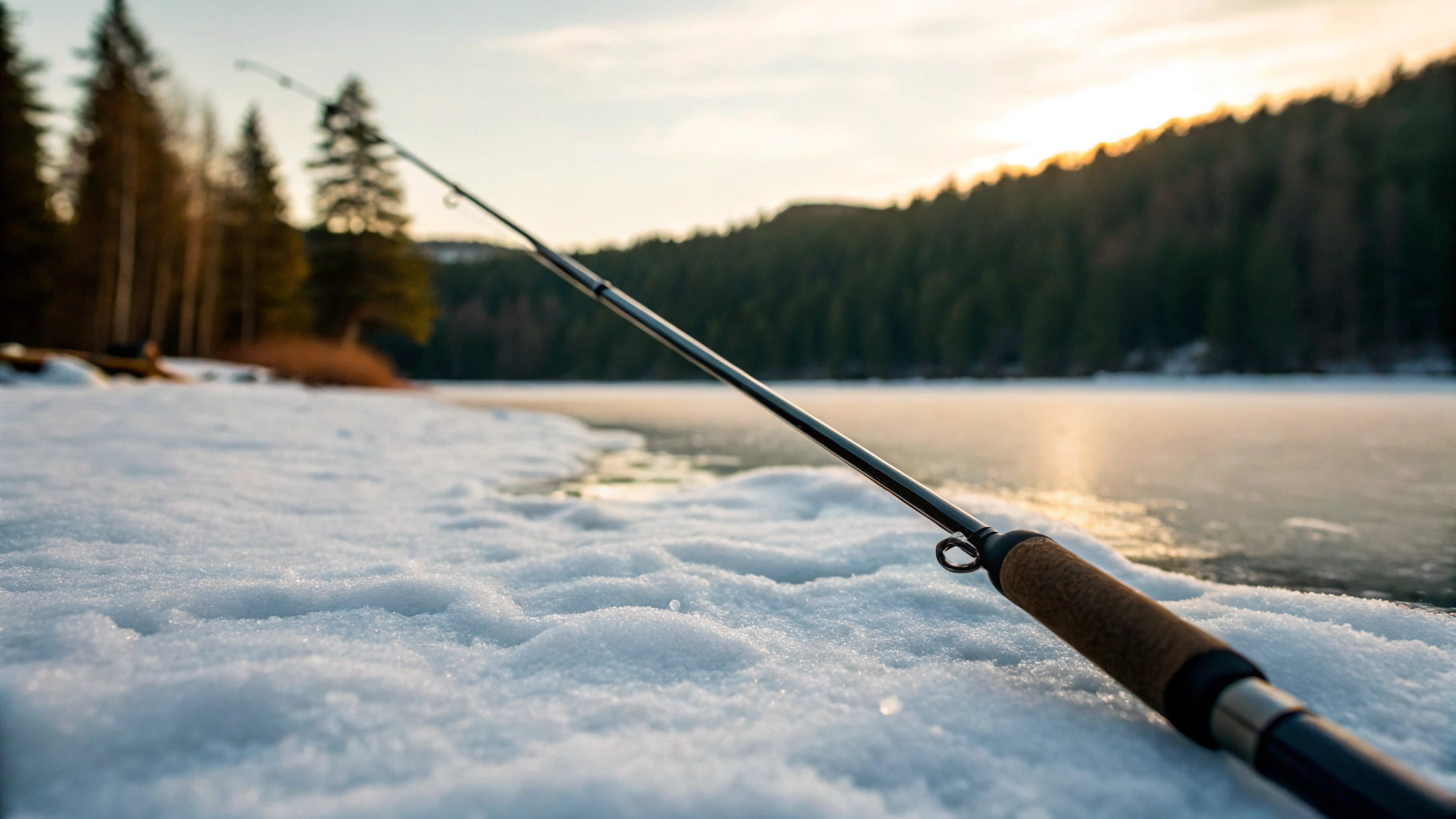
Ice forms when surface water cools below freezing. Ice anglers fish through holes cut in the ice. Summer fishing happens from shore, boat, or kayak on open water. Temperature, daylight, and weather patterns create very different conditions.
Key seasonal contrasts
- Water temperature
- Ice fishing: water is uniformly cold near the surface and below.
- Summer fishing: surface water is warm with thermal layers below.
- Daylight and activity
- Ice fishing: shorter days encourage concentrated bite windows.
- Summer fishing: longer days offer flexibility and longer fishing windows.
- Access and mobility
- Ice fishing: you move by foot, snowmobile, or sled on the ice.
- Summer fishing: you move by boat, kayak, or along shore.
These differences drive the tactics and gear anglers use in ice vs summer fishing.

Gear and tackle for ice vs summer fishing
Choosing gear is one of the clearest ways ice vs summer fishing diverge. You need season-specific equipment to be effective and safe.
Ice fishing essentials
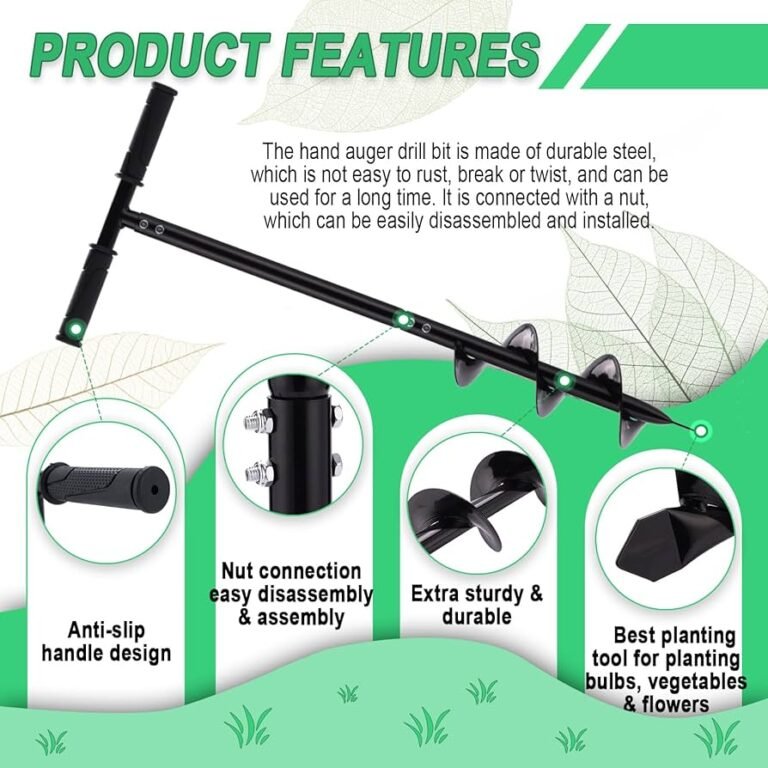
- Ice auger or chisel to make holes.
- Short ice rod and reel suited to jigging.
- Tip-ups for passive presentations.
- Portable shelter, heater, and insulated clothing.
- Ice cleats and safety picks.
- Electronics: ice sonar/flashers or an ice-specific fishfinder.
Summer fishing essentials
- Longer spinning or baitcasting rods.
- Full-size reels spooled with appropriate line.
- Variety of lures: crankbaits, jigs, soft plastics.
- Boat electronics: GPS, fishfinder, and trolling motor optional.
- Sun protection and breathable clothing.
- Anchor, life jackets, and aerator if keeping catches.
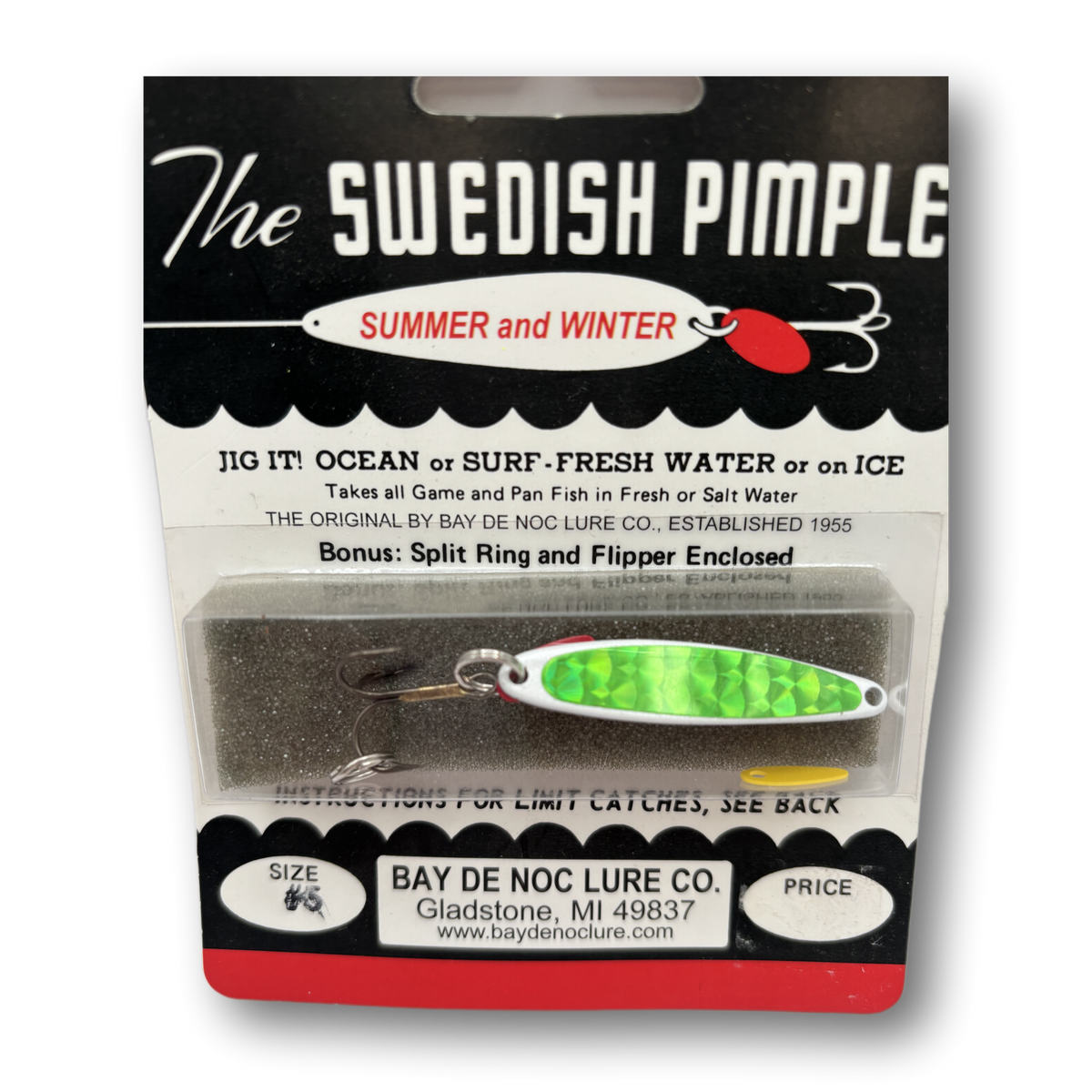
Tackle choices change too. In ice vs summer fishing you use smaller jigs, spoons, and live bait through ice. In summer you use larger profiles, topwater baits, and varied retrieves to match open-water conditions.
Fish behavior and target species
Fish react to cold and heat in predictable ways. Knowing behavior helps you pick species and tactics in ice vs summer fishing.
Common winter targets
- Perch: active in cold water, often in schools under ice.
- Walleye: bite well in low light and on slow presentations.
- Pike: ambush predators that respond to larger spoons.
- Trout: can be caught near deeper holes and drop-offs.
Common summer targets
- Bass: active in shallow warm water, aggressive on lures.
- Walleye: move to deeper structure but feed at dawn and dusk.
- Panfish: sunfish and crappie stack around structure and vegetation.
- Pike and muskie: occupy weeds and ambush points.
Behavior notes
- Cold water slows metabolism, so bites tend to be slower and more deliberate during ice vs summer fishing.
- In summer, higher metabolism and oxygen changes drive more aggressive feeding and movement.
- Thermoclines in summer concentrate fish; under ice, fish can be more evenly spread vertically.
Understanding these tendencies lets you match your approach to the season and species you want to catch.
Techniques and tactics
Techniques are where ice vs summer fishing truly separate. The strike is different, the detection is different, and the presentation is different.
Ice fishing tactics
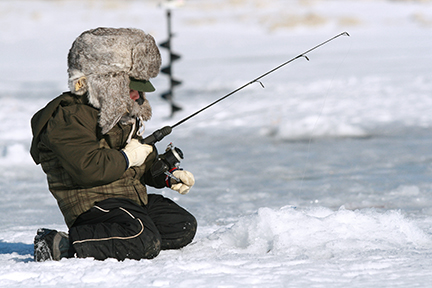
- Vertical jigging directly under the hole is the bread-and-butter method.
- Use electronics to watch fish and jig accordingly.
- Tip-ups let you cover more holes while waiting with live bait.
- Slow, subtle movements often win in cold water.
Summer tactics
- Casting and retrieving lures across structure is common.
- Vertical presentations from a boat work near deeper structure.
- Topwater action at dawn and dusk triggers explosive strikes.
- Use depth, current, and structure reading to zero in on fish.
Technique crossovers
- Jigging is useful both seasons, but in ice vs summer fishing the aggressiveness and speed vary.
- Electronics improve success in both seasons. In ice fishing, a flasher helps detect timid bites; in summer, a fishfinder helps locate schools and structure.
Practical tip
- Always experiment with speed and bait size. Fish respond differently across seasons and even from day to day.

Safety, logistics, and costs
Ice vs summer fishing have different safety priorities and cost profiles. Plan accordingly.
Safety differences
- Ice fishing risks: thin ice, falling through, carbon monoxide from heaters, hypothermia.
- Summer risks: sun exposure, dehydration, boating accidents, sudden storms.
Logistics
- Ice trips require ice thickness checks, travel gear, and shelter setup. Plan for rescue gear.
- Summer trips may require boat launch access, gas, and more mobility to follow fish.
Cost considerations
- Ice fishing can be cheaper to start. Basic ice gear is affordable, and you can fish from shore on many small lakes.
- Summer fishing often requires a boat, motor, and more electronics, increasing costs.
- Both seasons can be inexpensive if you focus on basic gear and local waters.
Insurance and regulations
- Check local limits and seasons. Some fisheries close for spawning in summer but are open in winter.
- Follow safety best practices and local advisories for ice conditions and water hazards.
Practical safety checklist
- Wear a floatation device or keep one accessible.
- Carry ice picks and a throw rope in winter.
- Monitor weather before and during trips year-round.
These safety and cost contrasts are key when weighing ice vs summer fishing.
Personal experience and practical tips
I started as a summer angler and learned ice fishing to extend the season. That change deepened my understanding of fish behavior. One winter I caught a 3-pound perch through a 6-inch hole, which taught me to keep presentations small and patient. Another warm evening I landed a largemouth on a topwater popper at sunset, reinforcing how timing and light matter in summer.
Lessons learned
- Pack lighter than you think you need. Mobility beats excess gear.
- Prioritize electronics that match how you fish. A simple flasher changed my winter success.
- Respect the weather. I once nearly left my shelter unsecured in a gust and now always anchor it.
Mistakes to avoid
- Never assume ice is safe. Measure thickness yourself in multiple spots.
- Don’t overcomplicate tackle. Simple baits often outfish complex rigs.
- Avoid ignoring local advice. Fish behavior and hazards are local.
Actionable tips
- For ice vs summer fishing, keep a season-specific checklist in your phone.
- Scout water in summer to find winter hotspots later.
- Learn to read your sonar; it pays off in both seasons.
These practical tips come from years of mixed-season fishing. They’ll help you save time and catch more fish.

When to choose ice vs summer fishing
Your choice depends on goals, time, and risk tolerance. Consider these scenarios.
Choose ice fishing if
- You want a quiet, focused trip close to home.
- You enjoy slow, tactical fishing and camaraderie at the shelter.
- You need lower-cost entry to winter angling.
Choose summer fishing if
- You prefer mobility and casting variety.
- You chase different species like bass that peak in warm months.
- You want longer days and family-friendly outings.
Hybrid approach
- Use summer scouting to identify structure for ice season.
- Fish both seasons to broaden skills and reduce dependence on one time of year.
Decide based on goals, not ego. Both ice vs summer fishing offer rewards. Pick the one that fits your schedule and appetite for adventure.

Frequently Asked Questions of ice vs summer fishing
What fish bite better in ice vs summer fishing?
Both seasons produce good bites but species differ. Perch and walleye shine in winter, while bass and panfish peak in summer.
Do I need special licenses for ice vs summer fishing?
Most places use the same freshwater license year-round, but check local rules and special winter regulations. Some lakes require additional permits.
How thick does ice need to be for safe ice fishing?
A minimum of 4 inches of clear ice is recommended for one person on foot. Carry safety gear and check multiple spots before setting up.
Can electronics used for summer fishing work on ice?
Yes. Many fishfinders work in both seasons, but dedicated ice flashers can help with quick vertical feedback through holes.
Is ice fishing cheaper than summer fishing?
Initial ice gear can be less expensive, but costs vary. Boat ownership and summer electronics raise summer expenses, while winter shelters and heaters add winter costs.
How can I transition from summer to ice fishing?
Start by learning sonar use and downsizing lures. Practice slow jigging and invest in safety gear. Join local groups to learn ice-specific tricks.
Are bites slower in ice vs summer fishing?
Typically yes. Cold water slows fish metabolism, so bites are often subtler and require patience during ice fishing.
Conclusion
Ice vs summer fishing each offer unique challenges and deep rewards. Ice fishing is quiet, tactical, and often budget-friendly. Summer fishing is mobile, varied, and suited for aggressive presentations. Use the season that matches your goals, and bring safety, patience, and the right gear. Try both seasons to become a better angler and to enjoy fishing year-round.
Take action: choose a local lake, grab the season-appropriate checklist from this guide, and plan your next trip. Share your stories or questions below to keep learning from the community.