When anglers search for fishing swivel causing line twist how to troubleshoot, they are often dealing with a frustrating problem that can ruin a day on the water. A twisted line creates loops, tangles, weak spots, and poor lure action. The good news is that most causes are easy to find with a simple inspection.
After years of working with spinning reels, leaders, and different swivel styles, I have found that the swivel itself is not always the problem. Many twist issues come from a combination of poor swivel quality, incorrect knots, spinning lures, and line that already has memory.
Why a Fishing Swivel Can Cause Line Twist
A swivel is designed to let parts of your rig rotate without transferring that movement into your main line. However, a swivel that does not spin freely can trap rotation and send twists back toward your reel.
Understanding fishing swivel causing line twist how to troubleshoot starts with knowing that the swivel may be the symptom, not the root cause. The lure, line type, and fishing method can all add unwanted rotation.

- ✦ Poor swivel quality
Cheap swivels may have tight bearings or rough connections that stop smooth rotation.
- ✦ Incorrect swivel size
A swivel that is too small may struggle under lure movement, while an oversized swivel can affect presentation.
- ✦ Damaged swivel parts
Bent eyes, rust, dirt, or worn bearings can prevent normal swivel action.
How to Test a Swivel Before Fishing
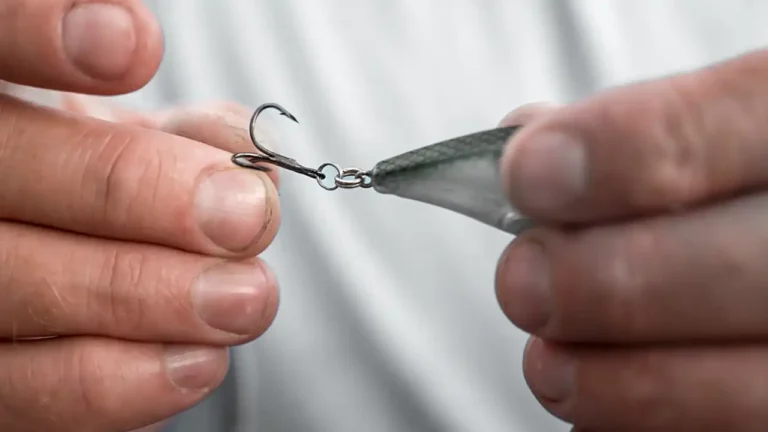
Hold the swivel between your fingers and rotate both ends. A good swivel should turn smoothly with little resistance. If it sticks, feels rough, or stops often, replace it.
- ✦ Quick hand test
Spin the swivel several times and watch for uneven movement.
Common Signs Your Swivel Setup Is Creating Line Twist
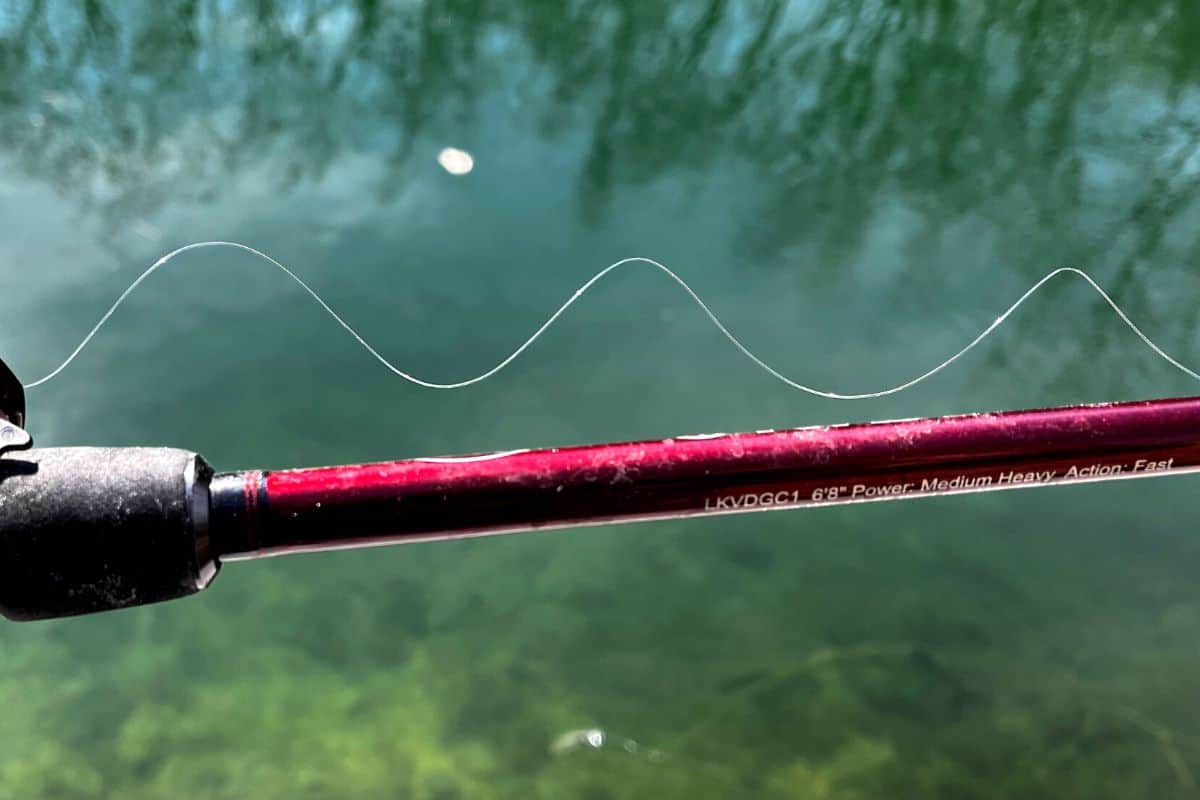
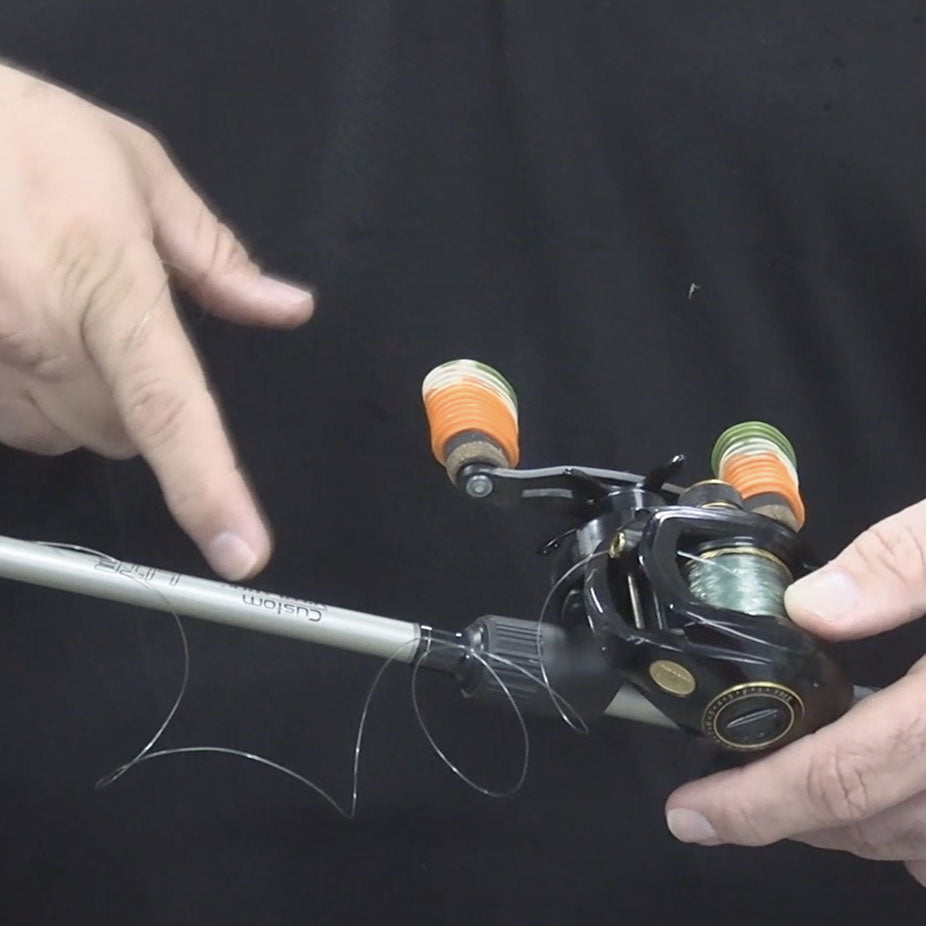
Many anglers notice the problem only after several casts. The line may start forming coils, jumping off the spool, or wrapping around rod guides.
When learning fishing swivel causing line twist how to troubleshoot, these warning signs help identify the issue before losing a fish.
- ✦ Loose coils after casting
Large loops coming from the spool often show that the line has built up twist.
- ✦ Lure spinning in the water
A rotating lure can add twist even when the swivel works correctly.
- ✦ Repeated knots and tangles
Frequent tangles near the reel usually mean stored line twist is increasing.
Step-by-Step Method for Troubleshooting Fishing Swivel Line Twist
The best way to solve fishing swivel causing line twist how to troubleshoot problems is to check each part of the setup in order. Randomly changing gear can hide the real cause.
Start at the lure and move back toward the reel. This makes it easier to find where rotation begins.
- ✦ Step 1: Check the lure
Remove the lure and see if the line still twists. Some lures naturally rotate and create problems.
- ✦ Step 2: Inspect the swivel
Replace swivels that feel rough, stuck, or damaged.
- ✦ Step 3: Examine the knot
A poor knot can limit swivel movement and increase friction.
Checking Spinning Reel Line Direction
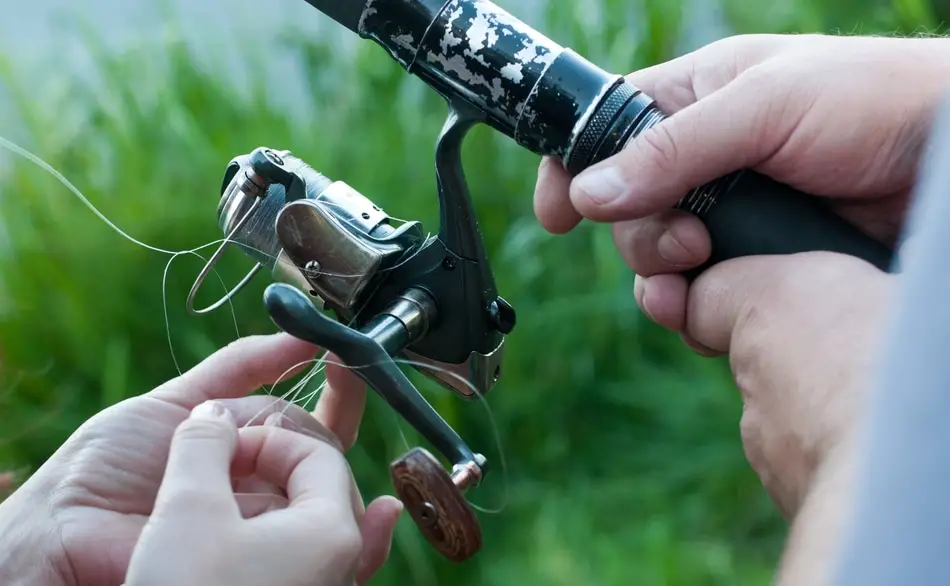
Spinning reels can add twist when line is loaded incorrectly. Make sure new line comes off the filler spool in the correct direction for your reel.
- ✦ Avoid overfilling
Too much line on a spool increases loops and wind knots.
How to Remove Existing Line Twist
Fixing the swivel alone will not remove twist already stored in your line. You need to release the tension and allow the line to straighten.
Many anglers solve fishing swivel causing line twist how to troubleshoot issues by removing the twist before replacing expensive line.

- ✦ Let line trail behind a boat
Allowing line to move freely through the water without a lure can reduce stored twists.
- ✦ Replace badly twisted sections
Severe twists may create permanent weak areas that are safer to remove.
Choosing the Right Swivel to Prevent Future Problems
Not every swivel performs the same. Ball-bearing swivels usually handle rotation better than basic barrel swivels, especially with spinning lures and strong currents.
The right choice depends on the fishing style, line strength, and lure movement.

- ✦ Ball-bearing swivels
These provide smoother rotation for demanding applications.
- ✦ Barrel swivels
These work well for simple rigs where rotation is limited.
- ✦ Snap swivels
These offer quick lure changes but should match the fishing situation.
Preventing Fishing Swivel and Line Twist Problems
Prevention is easier than repair. Small habits such as checking your swivel and watching lure movement can protect your line during every trip.
A simple maintenance routine helps reduce fishing swivel causing line twist how to troubleshoot problems before they affect your catch.
- ✦ Clean equipment often
Rinse saltwater gear and remove dirt from swivel connections.
- ✦ Replace worn parts
A cheap swivel replacement can protect expensive line and lures.
- ✦ Watch lure rotation
A spinning bait can create twist faster than many anglers expect.