Soft plastic lures are popular with U.S. anglers because they look natural, move well, and catch many species. However, many fishermen search for fishing lure soft plastic tearing how to prevent because a favorite bait can become useless after only a few casts.
After years of testing soft baits for bass, trout, and inshore species, one lesson stands out: most tears happen from small mistakes. The wrong hook, poor rigging, rough storage, or repeated stress can shorten lure life.
This guide explains fishing lure soft plastic tearing how to prevent with simple methods that work on lakes, rivers, and coastal waters across the United States.
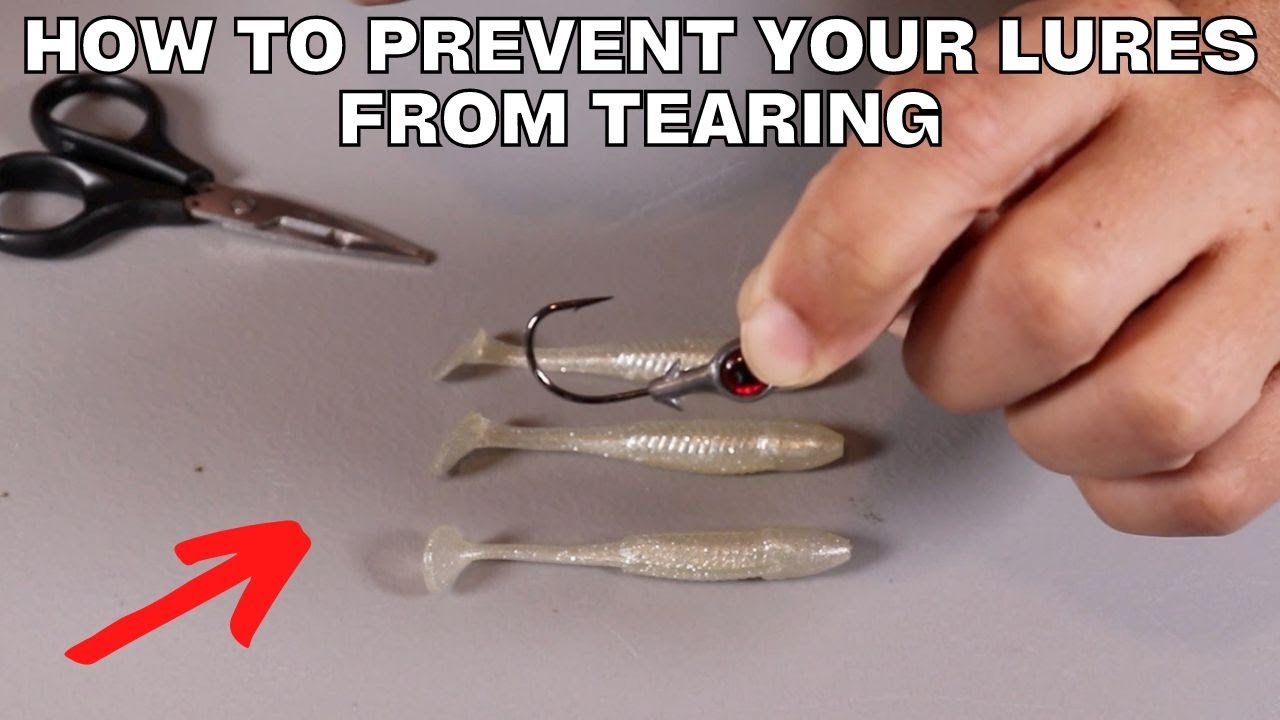
Why Soft Plastic Fishing Lures Tear So Easily
Soft plastics are designed to be flexible. That flexibility creates realistic action, but it also means the material can stretch and split under pressure.
Understanding why damage happens is the first step in fishing lure soft plastic tearing how to prevent. Most tears start around hook holes, nose sections, and thin tail areas.
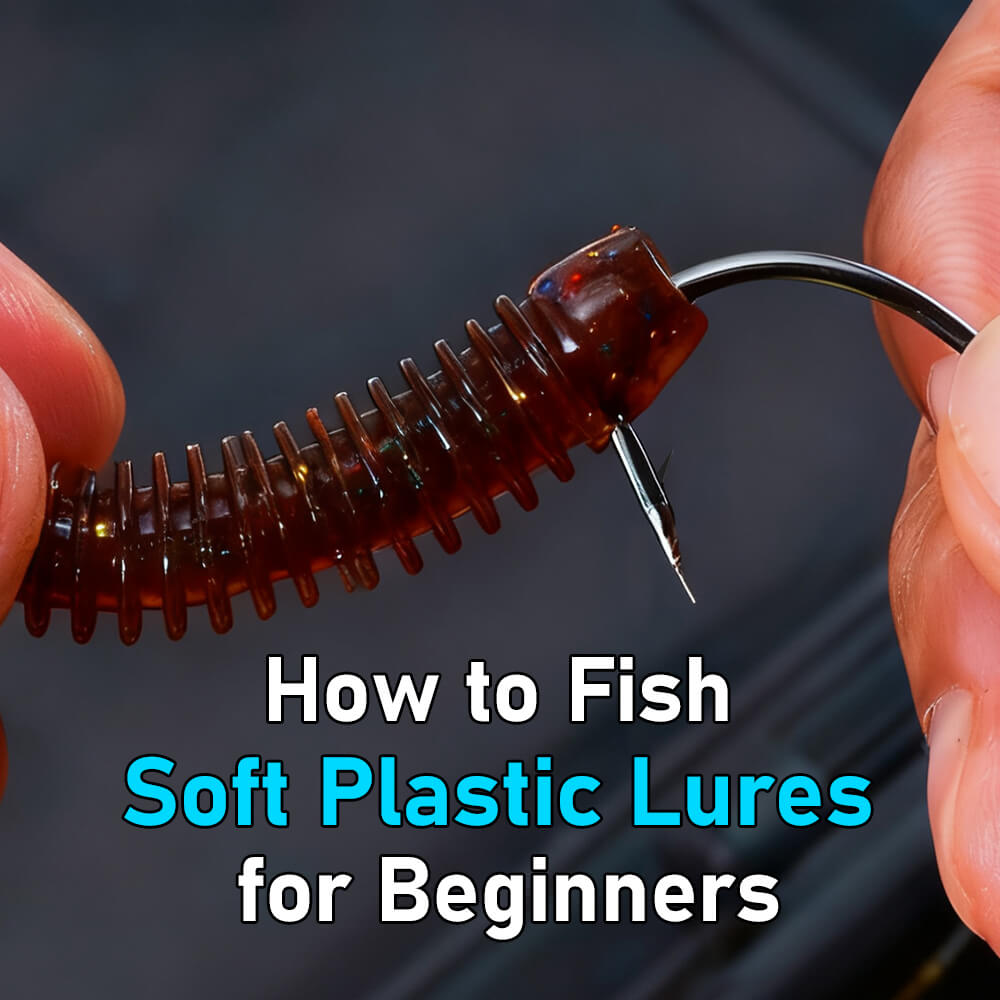
- ✦ Hook pressure
A hook point creates a small cut that can grow larger when a fish pulls or when the lure is cast repeatedly.
- ✦ Wrong rigging
A bent hook position or poor alignment places extra force on one small area of the bait.
- ✦ Material wear
Sunlight, heat, and contact with other plastics can weaken soft lure material over time.
Common Signs Your Soft Plastic Needs Attention
Look for stretched hook holes, split bodies, loose tails, or cracks near the head. Fixing small damage early is easier than replacing the entire bait.
- ✦ Early inspection
Check your lure after every fish and after catching fish around heavy cover.
Choose the Right Hook to Prevent Soft Plastic Tearing
Hook choice plays a major role in fishing lure soft plastic tearing how to prevent. A hook that is too large or heavy can split the bait before it reaches the fish.
Match the hook size to the lure body. A balanced setup lets the bait move naturally without forcing stress into one area.

- ✦ Use the correct hook gap
A hook gap that is too narrow can squeeze the plastic and create tearing points.
- ✦ Avoid oversized hooks
Large hooks add weight and increase damage during casts and retrieves.
Jigheads and Hook Points
Jigheads with smooth collars and clean hook points reduce unnecessary damage. A rough collar can cut the lure before you even start fishing.
- ✦ Inspect jigheads
Remove sharp edges or replace damaged heads before rigging new plastics.
Rig Soft Plastic Lures Correctly for Longer Life
Correct rigging is one of the easiest answers to fishing lure soft plastic tearing how to prevent. The lure should sit straight, with the hook centered and the body relaxed.
A crooked lure twists during retrieval and creates uneven pressure. This can lead to faster tearing and poor action in the water.

- ✦ Keep the lure straight
Push the hook through the center line of the bait for even support.
- ✦ Avoid repeated re-rigging
Every new hook placement creates another hole and weakens the plastic.
Using Keeper Systems
Some hooks and jigheads include keepers that hold soft plastics in place. These systems reduce sliding and help prevent extra tearing.
- ✦ Reduce movement
A secure bait takes less stress during casts and retrieves.
Store Soft Plastic Lures the Right Way
Storage is often ignored when anglers research fishing lure soft plastic tearing how to prevent. Heat, chemicals, and mixed materials can slowly damage lures even when they are not being used.
Keep soft plastics in their original bags when possible. If using tackle boxes, store similar materials together.
- ✦ Avoid mixed plastics
Different soft plastics can react with each other and cause melting or texture changes.
- ✦ Protect from heat
Hot vehicles and direct sunlight can make soft baits weak and sticky.
Repair Torn Soft Plastic Lures Instead of Replacing Them
Small tears do not always mean a lure is finished. Many anglers repair soft plastics with heat, soft bait glue, or by adjusting the rigging point.
Learning repair methods is another useful part of fishing lure soft plastic tearing how to prevent because it reduces wasted tackle and saves money.

- ✦ Heat repair
Carefully warming torn edges can help fuse some soft plastic materials together.
- ✦ Reuse damaged sections
Cut worms and creature baits can sometimes become smaller effective lures.
Fishing Habits That Reduce Soft Plastic Damage
Good habits on the water make a big difference. Avoid pulling lures through unnecessary obstacles when possible, and check damage often.
Experienced anglers know that fishing lure soft plastic tearing how to prevent is not about one trick. It is about reducing stress at every step.
- ✦ Check after catches
Fish teeth and hard strikes can create small cuts that become large tears.
- ✦ Change damaged lures early
A fresh bait often performs better than a stretched and damaged one.